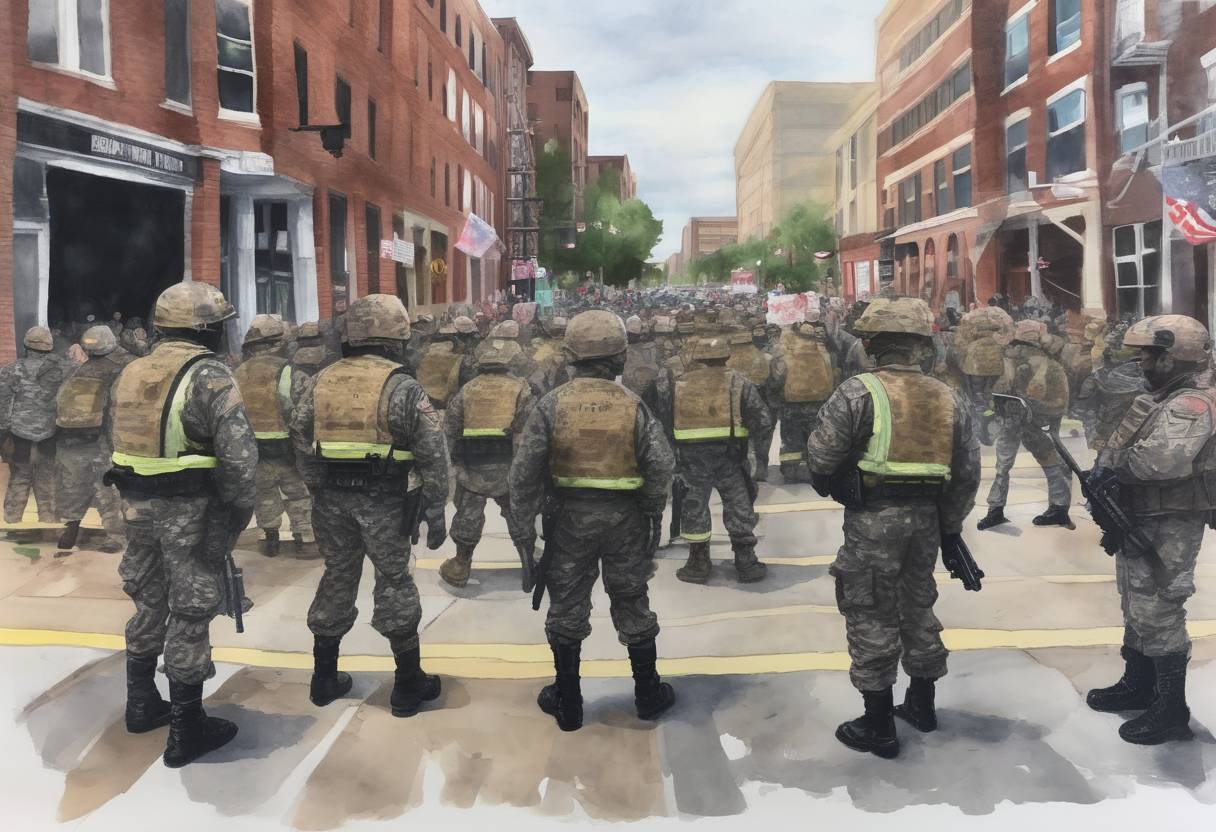
Baltimore Protests and State of Emergency - April 29, 2015
On April 29, 2015, the city of Baltimore, Maryland, was in the throes of significant civil unrest following the death of Freddie Gray. Gray, a 25-year-old African American man, died on April 19, 2015, from severe spinal injuries sustained while in police custody. His death became a flashpoint for protests against police brutality and systemic racism in the United States.
Context and Events Leading Up to April 29
Arrest and Injury: Freddie Gray was arrested on April 12, 2015, by Baltimore police officers. During his transport in a police van, Gray sustained critical injuries, including a severed spinal cord. The circumstances of his arrest and the lack of immediate medical attention raised public outcry.
Protests Begin: Following Gray’s death on April 19, protests erupted in Baltimore. Demonstrators demanded accountability and transparency from the police department. The protests were part of a broader national movement addressing police violence against African Americans.
Escalation of Unrest: By April 25, the protests had turned violent, with clashes between demonstrators and police, resulting in property damage and arrests. The situation intensified, leading to widespread looting and arson.
April 29, 2015: State of Emergency
State of Emergency Declared: On April 27, Maryland Governor Larry Hogan declared a state of emergency in Baltimore. By April 29, the National Guard had been deployed to restore order. A citywide curfew was imposed to curb the violence and chaos.
National Guard Deployment: The deployment of the National Guard marked a significant escalation in the response to the protests. Troops were stationed throughout the city to assist local law enforcement in maintaining peace.
Public Reaction: The presence of the National Guard and the imposition of a curfew were met with mixed reactions. While some residents felt safer, others viewed it as an excessive militarization of the city.
Aftermath and Broader Significance
Legal Proceedings: The six police officers involved in Gray’s arrest faced charges ranging from second-degree murder to misconduct. However, by 2016, all charges were dropped, and no convictions were secured, leading to further public disillusionment.
Impact on Police Reform: The Baltimore protests were part of a larger national conversation on police reform. They highlighted the urgent need for changes in policing practices and accountability mechanisms.
Cultural and Political Impact: The events in Baltimore contributed to the momentum of the Black Lives Matter movement, which advocates for racial justice and police reform across the United States.
The protests following Freddie Gray’s death underscored deep-seated issues of racial inequality and police violence, prompting both local and national efforts to address these systemic problems. The events of April 29, 2015, remain a pivotal moment in the ongoing struggle for civil rights and justice in America.