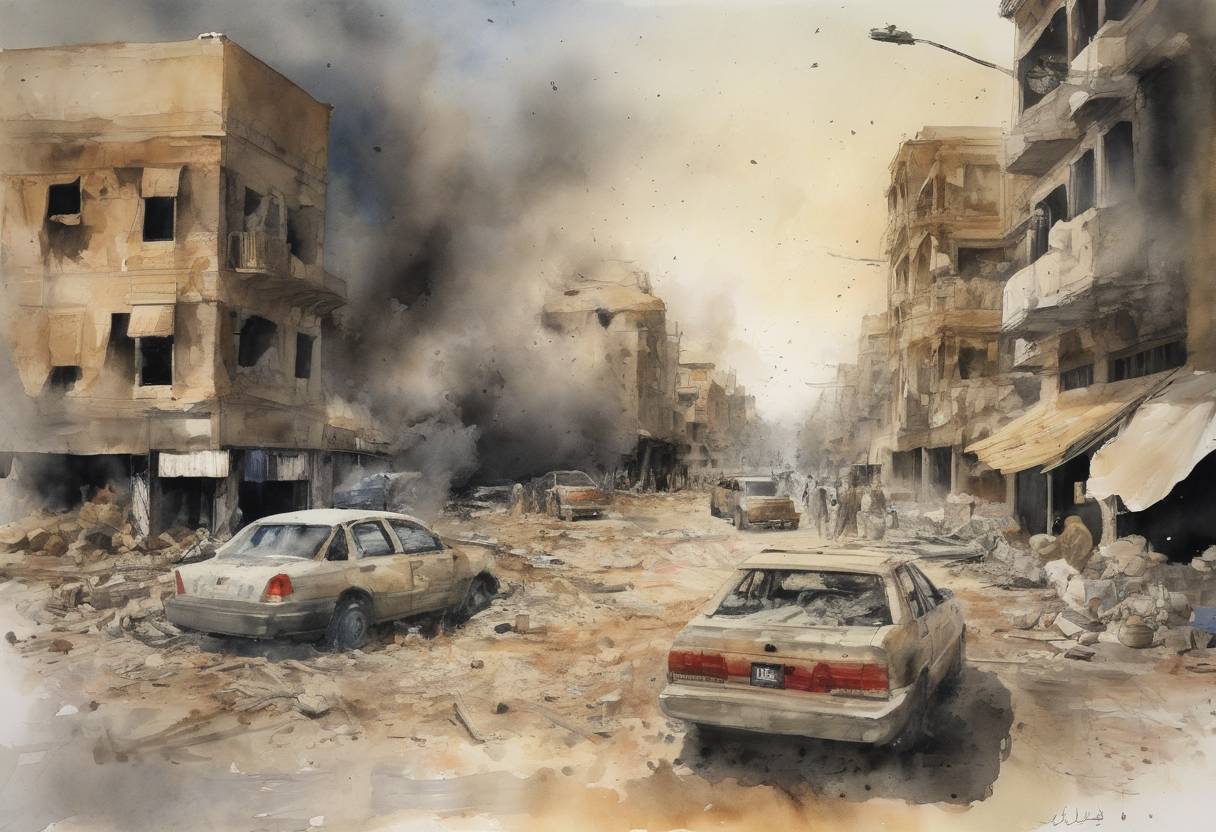
Baghdad Bombings on April 18, 2007
On April 18, 2007, Baghdad, the capital city of Iraq, experienced one of its deadliest days since the U.S.-led invasion in 2003. A series of coordinated bombings resulted in the deaths of nearly 200 people and left hundreds more injured. This tragic event underscored the severe sectarian violence and instability that plagued Iraq during this period.
Context
- Post-Invasion Iraq: Following the 2003 invasion, Iraq was embroiled in a violent insurgency and sectarian conflict. The power vacuum left by the toppling of Saddam Hussein’s regime led to widespread instability.
- Sectarian Tensions: The violence was largely fueled by sectarian divisions between the Sunni and Shia Muslim communities, exacerbated by the presence of various militant groups, including Al-Qaeda in Iraq.
The Bombings
- Locations: The attacks targeted predominantly Shia neighborhoods, markets, and other crowded areas in Baghdad, aiming to maximize casualties and incite further sectarian strife.
- Casualties: Nearly 200 people were killed, and hundreds more were injured, making it one of the deadliest days in the city since the invasion.
- Methods: The bombings involved car bombs and suicide attacks, a common tactic used by insurgents to cause mass casualties and chaos.
Aftermath and Consequences
- Increased Security Measures: In response to the bombings, Iraqi and U.S. forces intensified security measures in Baghdad, including curfews and increased patrols.
- Political Ramifications: The attacks highlighted the challenges faced by the Iraqi government in maintaining security and stability, undermining efforts to foster national reconciliation.
- International Reaction: The bombings drew condemnation from around the world, with calls for increased international support to help stabilize Iraq.
Broader Historical Significance
- Impact on U.S. Policy: The violence in Iraq, exemplified by events like the April 18 bombings, influenced U.S. military and political strategies, including the implementation of the “surge” strategy in 2007, which aimed to reduce violence through increased troop presence.
- Legacy of Sectarian Violence: The bombings were part of a broader pattern of sectarian violence that continued to affect Iraq in the years following, contributing to the rise of extremist groups and ongoing instability in the region.
The bombings on April 18, 2007, remain a stark reminder of the challenges faced by Iraq in the post-invasion era and the enduring impact of sectarian conflict on the country’s path to peace and stability.