Syrian Civil War Death Toll Surpasses 191,000 - August 26, 2014
2014 · Damascus, Syria
The United Nations reported that the death toll from the Syrian Civil War had surpassed 191,000 people, highlighting the severe humanitarian crisis in the region.
August 21, 2013
A chemical attack occurred in the Ghouta region of Damascus, Syria, during the Syrian Civil War. The attack involved the use of sarin gas and resulted in significant civilian casualties.
Damascus, Syria | Syrian government (alleged)
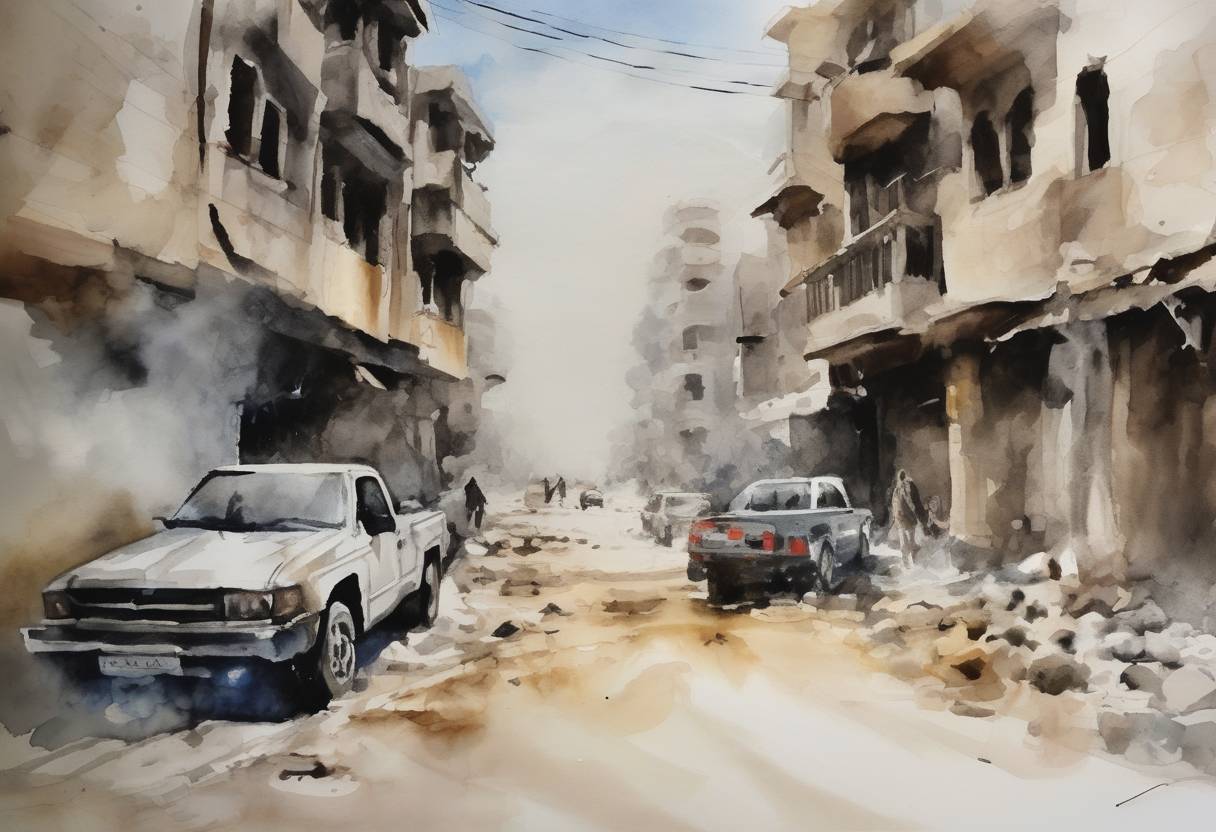
On August 21, 2013, a devastating chemical attack occurred in the Ghouta region, located on the outskirts of Damascus, Syria. This attack was one of the most significant and deadly uses of chemical weapons during the Syrian Civil War, resulting in substantial civilian casualties and international outrage.
The Syrian Civil War, which began in 2011, was a complex conflict involving multiple factions, including the Syrian government led by President Bashar al-Assad, various rebel groups, and extremist organizations. The war had already resulted in significant loss of life and displacement of civilians by 2013.
The attack prompted widespread condemnation from the international community. The use of chemical weapons is prohibited under the Chemical Weapons Convention, and the attack in Ghouta was seen as a blatant violation of international norms.
The Ghouta chemical attack highlighted the brutal nature of the Syrian conflict and the challenges of enforcing international norms against the use of chemical weapons. It underscored the complexities of international diplomacy in addressing violations of humanitarian law and the difficulties in achieving a resolution to the Syrian Civil War.
The events in Ghouta remain a poignant reminder of the human cost of the conflict and the ongoing need for vigilance and accountability in the use of chemical weapons globally.
Source: www.bbc.com