William Caxton and the First Dated Printed Book in England
1477 · Westminster, England
William Caxton produced the first dated printed book in England, 'Dictes or Sayengis of the Philosophres'.
February 23, 1455
The traditional date for the publication of the Gutenberg Bible, the first Western book printed with movable type.
Mainz, Holy Roman Empire | Johannes Gutenberg
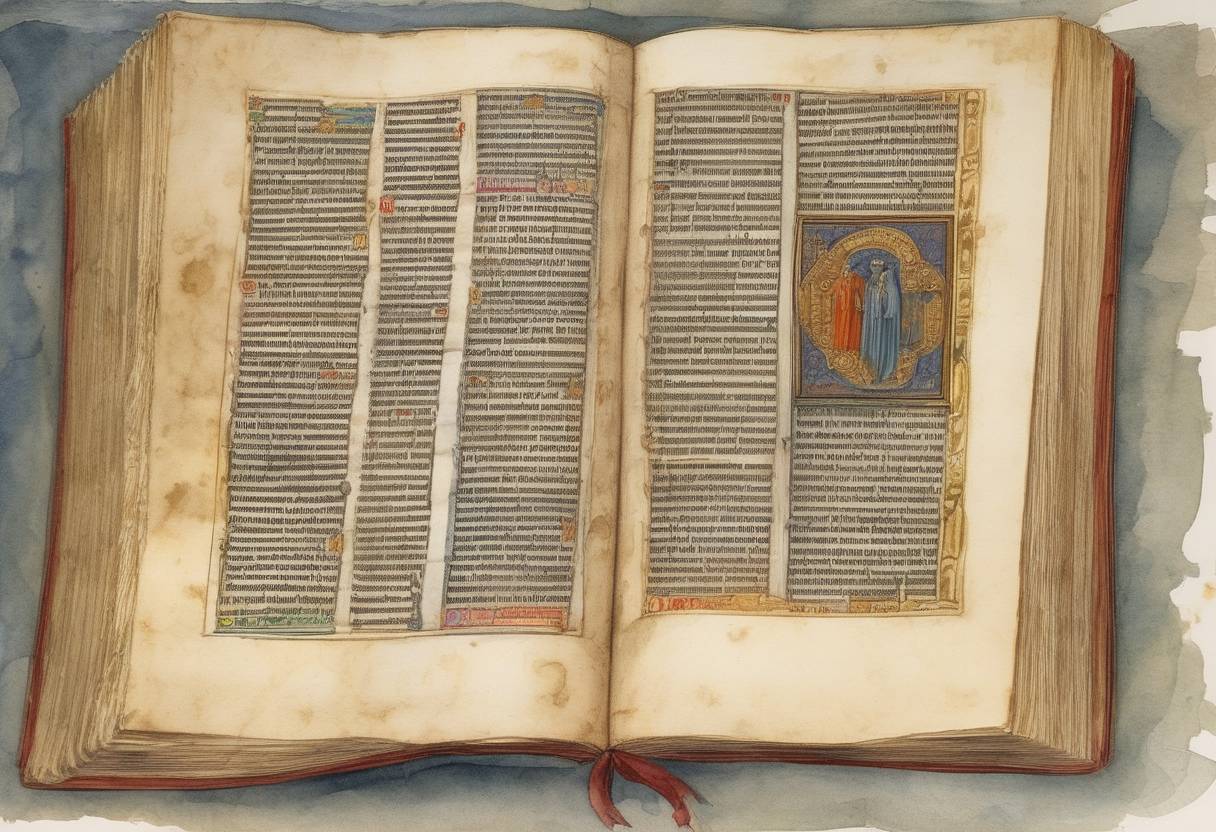
The Gutenberg Bible, also known as the 42-line Bible, holds the distinction of being the first major book printed using movable type in the Western world. This groundbreaking achievement is traditionally dated to February 23, 1455, marking a pivotal moment in the history of printing and the dissemination of knowledge.
Johannes Gutenberg: The mastermind behind this revolutionary invention, Gutenberg was a German blacksmith, goldsmith, printer, and publisher. His development of movable type printing technology in the 1440s laid the foundation for the mass production of books.
Movable Type: Prior to Gutenberg’s innovation, books were painstakingly copied by hand, a process that was both time-consuming and costly. Movable type allowed for the rapid production of texts, significantly reducing the cost and time required to produce books.
Printing Process: The Gutenberg Bible was printed in Mainz, Germany. It utilized a combination of movable metal type, oil-based ink, and a wooden printing press. The Bible was printed in Latin and is known for its high aesthetic and technical quality.
Format and Design: The Bible consists of two volumes, with a total of 1,282 pages. Each page contains 42 lines of text, hence the name “42-line Bible.” The text was printed in black ink, with spaces left for hand-illuminated initials and decorations, which were added later.
Production and Copies: It is estimated that around 180 copies of the Gutenberg Bible were originally produced, with approximately 49 copies surviving today, some of which are incomplete. These copies are considered rare and valuable, with several housed in prestigious libraries and collections worldwide.
Cultural Impact: The Gutenberg Bible’s publication marked the beginning of the “Gutenberg Revolution” and the age of the printed book in the West. It played a crucial role in the spread of literacy, education, and the Reformation by making religious and scholarly texts more accessible.
Technological Influence: Gutenberg’s invention of movable type printing is often regarded as one of the most significant developments in human history. It facilitated the spread of ideas and knowledge, contributing to the Renaissance, the Scientific Revolution, and the Enlightenment.
Printing Industry: The success of the Gutenberg Bible spurred the growth of the printing industry across Europe. By the end of the 15th century, printing presses were established in over 200 cities, producing millions of books.
Enduring Influence: The principles of movable type printing laid the groundwork for modern printing techniques. Gutenberg’s innovation is celebrated for democratizing knowledge and transforming the way information is shared and consumed.
In conclusion, the publication of the Gutenberg Bible on February 23, 1455, represents a landmark event in the history of human communication, with lasting impacts on culture, education, and technology.
Source: en.wikipedia.org