2009 · L'Aquila, Italy
A devastating earthquake struck the Abruzzo region in central Italy, with its epicenter near L'Aquila, causing widespread destruction and resulting in the deaths of 308 people.
April 7, 2009
A 6.3 magnitude earthquake struck L'Aquila in central Italy, resulting in significant destruction and loss of life.
L'Aquila, Italy | Italian Civil Protection Department
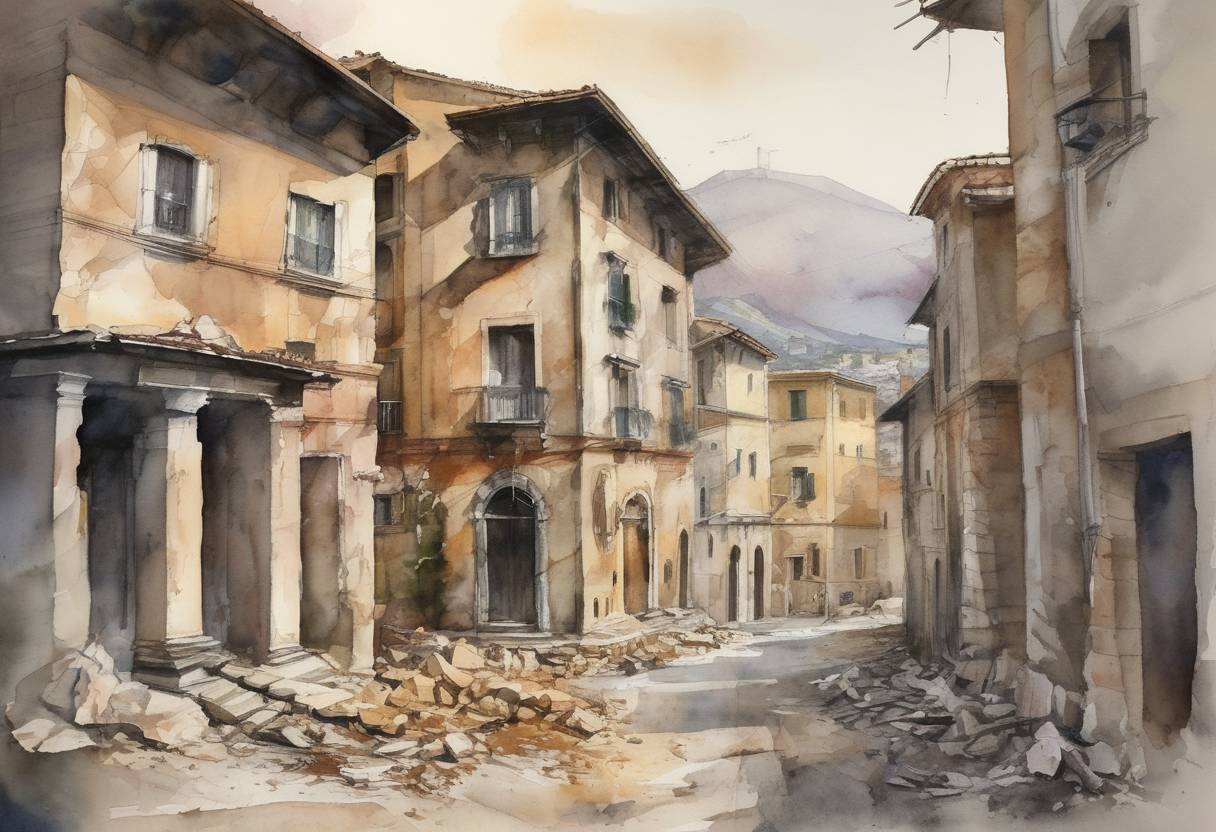
On April 6, 2009, a devastating earthquake struck the Abruzzo region in central Italy, with its epicenter near the city of L’Aquila. This seismic event, registering a magnitude of 6.3, resulted in significant destruction and loss of life, marking one of the most catastrophic natural disasters in Italy’s recent history.
L’Aquila, a city with a rich historical and cultural heritage, is situated in a seismically active region of Italy. The Apennine Mountains, which run the length of the Italian peninsula, are known for their tectonic activity due to the complex interactions between the Eurasian and African plates. Prior to the 2009 earthquake, the region had experienced several smaller tremors, which some experts later suggested could have been precursors to the main event.
The L’Aquila earthquake underscored the vulnerability of Italy’s historic cities to seismic events and prompted discussions on improving building codes and disaster preparedness. It also highlighted the challenges of balancing scientific communication with public safety, a topic that remains relevant in seismically active regions worldwide.
The event remains a poignant reminder of the destructive power of natural disasters and the resilience required to rebuild in their aftermath.
Source: www.britannica.com