1981 · Boca Raton, United States
The introduction of the IBM Personal Computer was announced, setting a new standard in the personal computing industry.
August 12, 1981
IBM introduced its first personal computer, the IBM 5150, which played a pivotal role in the development and popularization of personal computing.
Boca Raton, United States | IBM
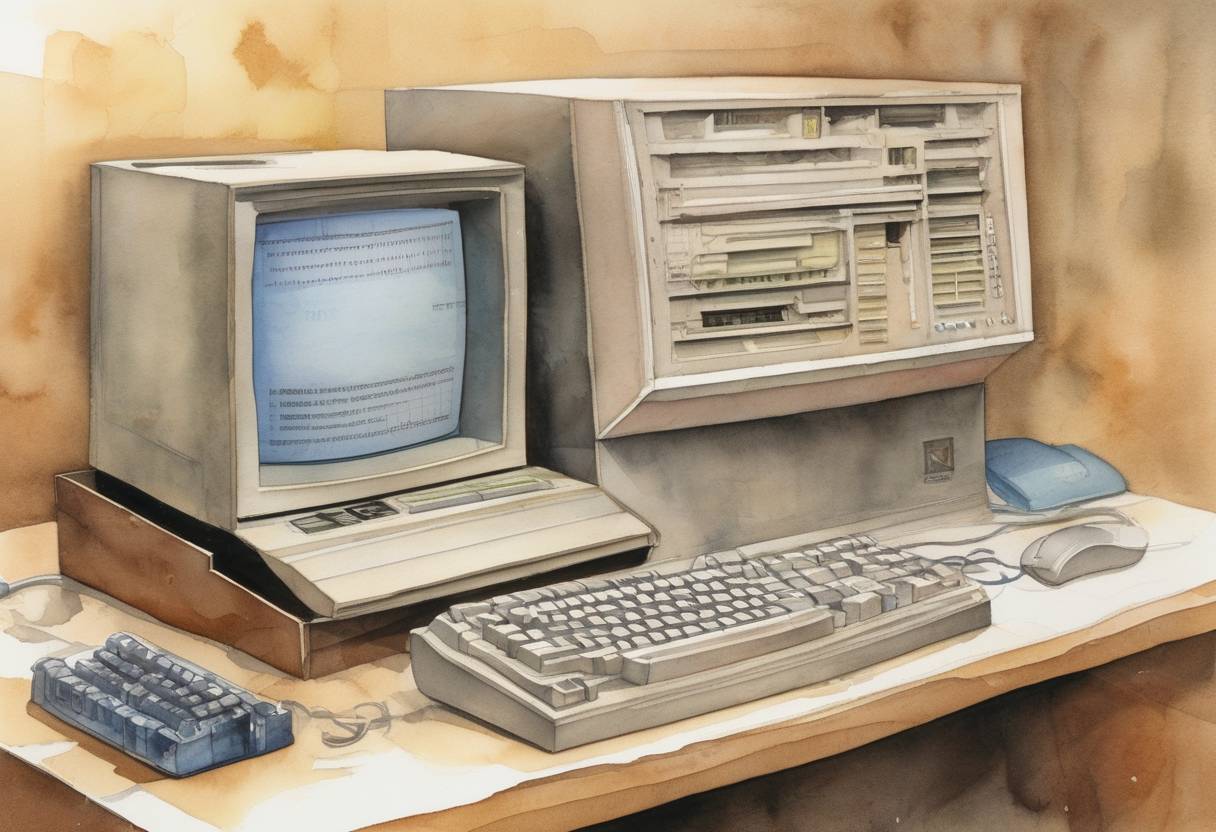
On August 12, 1981, IBM introduced the IBM 5150, marking a significant milestone in the history of personal computing. This event not only revolutionized the computer industry but also played a crucial role in making personal computers accessible to a broader audience.
Before the IBM 5150, personal computers were primarily the domain of hobbyists and small businesses. Companies like Apple, Commodore, and Tandy had already made strides in the market, but IBM’s entry brought a new level of credibility and attention to personal computing due to its established reputation in the business world.
The success of the IBM 5150 spurred rapid advancements in personal computing technology throughout the 1980s and beyond. It led to increased competition, innovation, and the eventual democratization of computing technology, making computers an integral part of everyday life.
In summary, the introduction of the IBM 5150 on August 12, 1981, was a pivotal moment in the history of technology. It not only transformed IBM’s role in the computing industry but also set the stage for the personal computer revolution that followed.
Source: en.wikipedia.org