The First Inductees into the Rock and Roll Hall of Fame: January 23, 1986
1986 · Cleveland, United States
The first inductees into the Rock and Roll Hall of Fame are announced, including Elvis Presley, Chuck Berry, and James Brown.
August 16, 1977
Elvis Presley, the 'King of Rock and Roll,' died at his Graceland estate in Memphis, Tennessee, at the age of 42.
Memphis, United States | Graceland
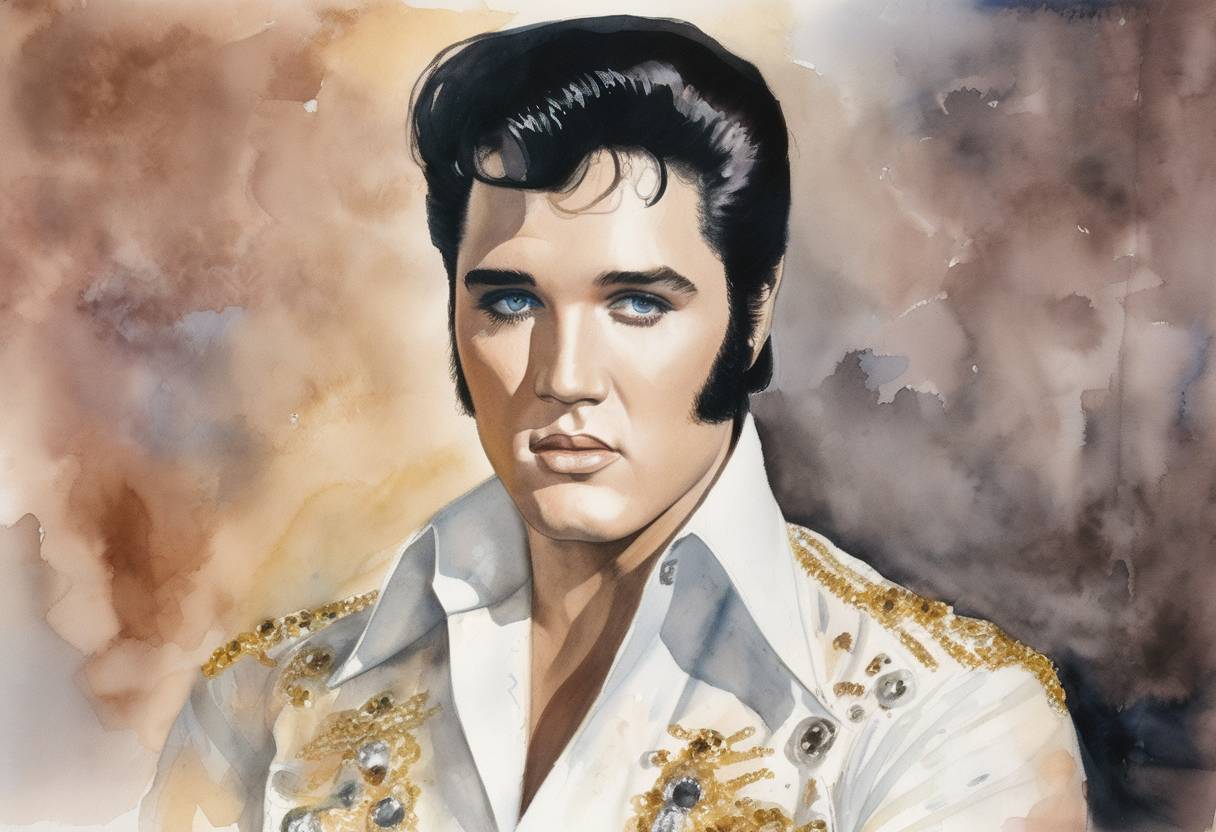
On August 16, 1977, the world was stunned by the sudden death of Elvis Presley, the iconic “King of Rock and Roll.” He passed away at the age of 42 at his Graceland estate in Memphis, Tennessee. This event marked the end of an era in the music industry and left a lasting impact on fans and musicians worldwide.
Elvis Presley was born on January 8, 1935, in Tupelo, Mississippi. He rose to fame in the mid-1950s with his unique blend of rock, country, and rhythm and blues, which helped to popularize rock and roll music. His charismatic stage presence, distinctive voice, and groundbreaking musical style earned him the title of the “King of Rock and Roll.”
Throughout his career, Elvis released numerous hit songs, including “Heartbreak Hotel,” “Hound Dog,” “Jailhouse Rock,” and “Can’t Help Falling in Love.” He also starred in a series of successful films, further cementing his status as a cultural icon.
In the years leading up to his death, Elvis faced several personal and professional challenges. He struggled with health issues, including weight fluctuations and prescription drug dependency, which affected his performances and public appearances. Despite these challenges, he continued to tour and perform, maintaining a strong fan base.
On the morning of August 16, 1977, Elvis was found unresponsive in his bathroom at Graceland by his then-fiancée, Ginger Alden. Attempts to revive him were unsuccessful, and he was pronounced dead at Baptist Memorial Hospital in Memphis. The official cause of death was listed as a heart attack, with contributing factors including his long-term drug use.
Elvis Presley’s death sent shockwaves around the world, leading to an outpouring of grief from fans and fellow musicians. His funeral, held on August 18, 1977, was attended by thousands of mourners, and Graceland became a pilgrimage site for fans.
Elvis’s influence on music and popular culture remains profound. He is credited with breaking down racial barriers in the music industry and inspiring countless artists across various genres. His legacy is preserved through his extensive catalog of recordings, numerous posthumous releases, and the continued popularity of Graceland as a tourist destination.
Elvis Presley’s impact on the music industry and popular culture is undeniable. He played a pivotal role in the development of rock and roll and helped shape the modern music landscape. His death marked the end of a significant chapter in music history, but his influence continues to resonate with new generations of artists and fans.
In summary, the death of Elvis Presley on August 16, 1977, was a momentous event that underscored his enduring legacy as a cultural icon and musical pioneer.
Source: en.wikipedia.org