Groundbreaking of the Baltimore and Ohio Railroad
1826 · Baltimore, United States
The first chartered railroad in the United States, the Baltimore and Ohio Railroad, was formally begun with a groundbreaking ceremony.
February 28, 1827
The Baltimore and Ohio Railroad is incorporated, becoming the first U.S. company to be granted a charter for the transportation of passengers and freight.
Baltimore, United States | Baltimore and Ohio Railroad
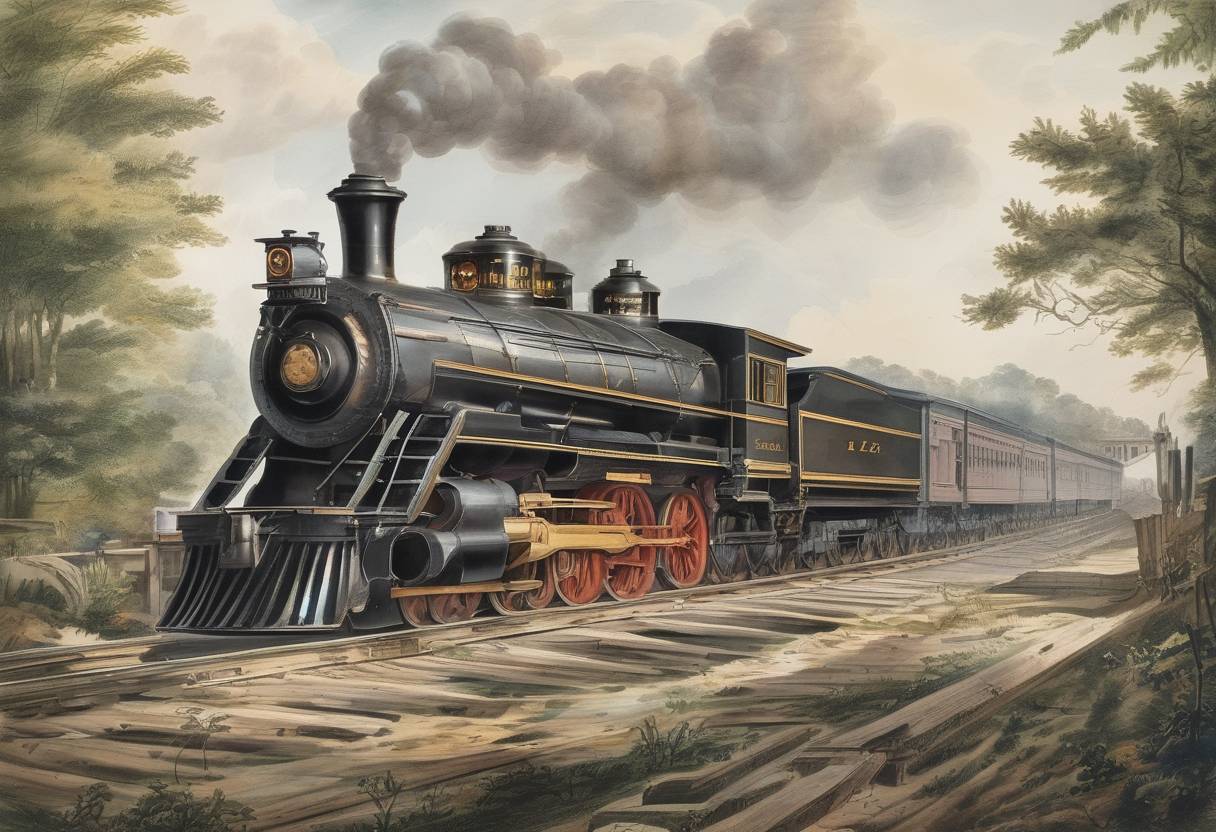
On February 28, 1827, the Baltimore and Ohio Railroad (B&O) was officially incorporated, marking a significant milestone in American transportation history. This event is notable as the B&O became the first U.S. company to be granted a charter specifically for the transportation of both passengers and freight, setting a precedent for the burgeoning railroad industry in the United States.
In the early 19th century, the United States was experiencing rapid expansion and industrialization. The need for efficient transportation networks was becoming increasingly apparent, particularly to connect the eastern seaboard with the western frontier. Prior to the advent of railroads, transportation was largely dependent on waterways and rudimentary road systems, which were often slow and unreliable.
Baltimore, a major port city, was keen to maintain its competitive edge against other cities like New York and Philadelphia, which were also seeking to expand their trade routes westward. The idea of a railroad was seen as a revolutionary solution to connect Baltimore with the Ohio River, thereby facilitating trade and commerce.
Early Advocacy: The concept of a railroad was championed by Baltimore merchants and civic leaders who recognized the economic potential of such a venture. They sought to create a more direct and efficient route for goods and passengers traveling to and from the interior of the country.
Charter Approval: After considerable lobbying, the Maryland legislature granted a charter to the Baltimore and Ohio Railroad Company on February 28, 1827. This charter authorized the company to construct a railroad from Baltimore to the Ohio River, a distance of approximately 380 miles.
Technological Innovation: The B&O Railroad was at the forefront of technological advancements in rail transport. It played a crucial role in the development of railroad technology and infrastructure in the United States.
Economic Growth: The railroad facilitated the movement of goods and people, contributing to the economic growth of Baltimore and the surrounding regions. It helped establish Baltimore as a key trade hub and spurred industrial development along its route.
Expansion of the Railroad Network: The success of the B&O Railroad inspired the creation of other railroads across the country, leading to the development of an extensive national rail network that would become vital to the U.S. economy.
The Baltimore and Ohio Railroad continued to expand throughout the 19th century, playing a pivotal role in the transportation of goods and passengers across the United States. It became a symbol of American ingenuity and progress, and its establishment marked the beginning of the railroad era in the United States.
Today, the legacy of the B&O Railroad is preserved in various museums and historical sites, including the B&O Railroad Museum in Baltimore, which showcases the rich history of railroading in America.
In summary, the incorporation of the Baltimore and Ohio Railroad on February 28, 1827, was a landmark event that not only transformed transportation but also had a lasting impact on the economic and industrial landscape of the United States.
Source: en.wikipedia.org