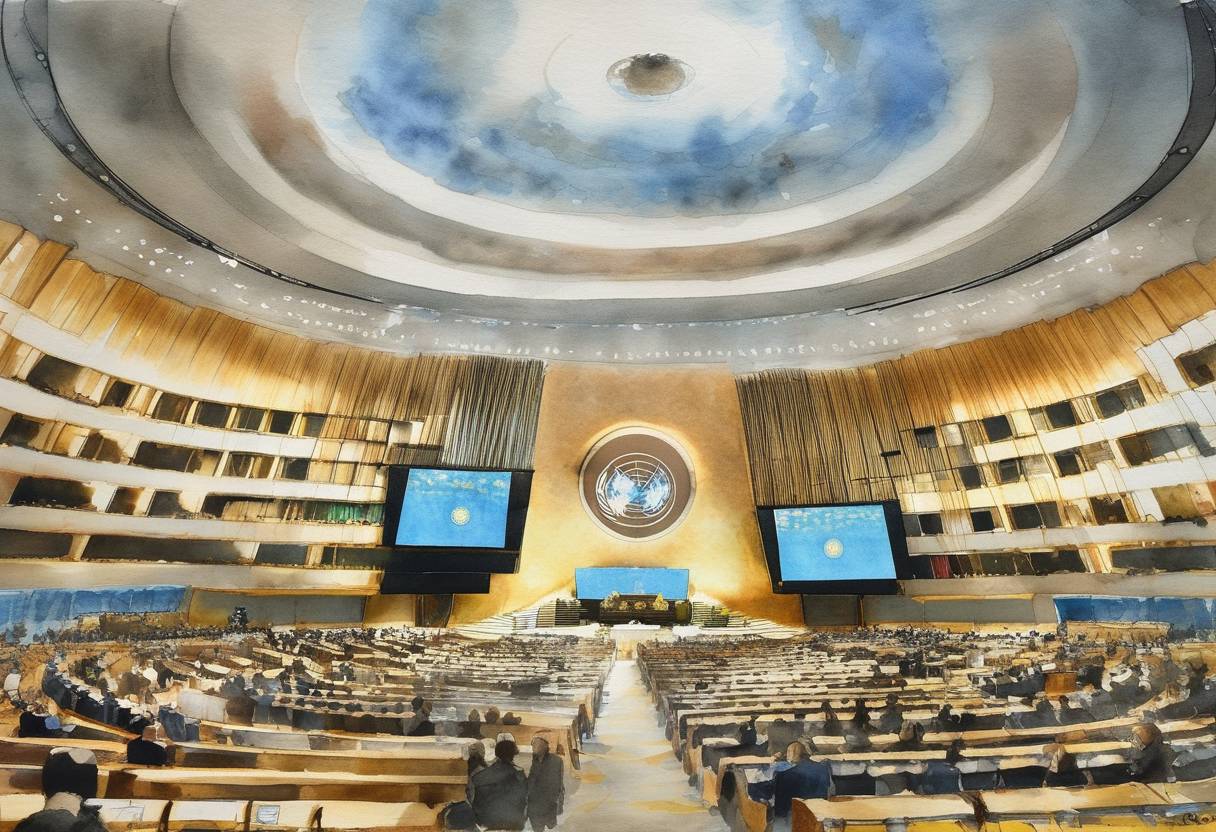
United Nations General Assembly Resolution 68⁄262
On March 27, 2014, the United Nations General Assembly adopted Resolution 68⁄262, a significant document affirming Ukraine’s territorial integrity and recognizing Crimea as part of Ukraine. This resolution came in response to the geopolitical crisis following Russia’s annexation of Crimea.
Context and Background
The annexation of Crimea by Russia in March 2014 followed the Ukrainian revolution and the ousting of President Viktor Yanukovych. Russia’s actions were preceded by a controversial referendum held in Crimea on March 16, 2014, where the majority of voters purportedly supported joining Russia. The international community widely criticized the referendum, citing violations of Ukrainian sovereignty and international law.
Key Details of the Resolution
Affirmation of Ukraine’s Territorial Integrity: Resolution 68⁄262 reaffirmed the commitment of the United Nations to the sovereignty, political independence, unity, and territorial integrity of Ukraine within its internationally recognized borders.
Non-Recognition of Crimea’s Annexation: The resolution underscored that the referendum held in Crimea had no validity and could not form the basis for any alteration of the status of Crimea or Sevastopol.
International Support: The resolution was supported by 100 member states, demonstrating significant international opposition to Russia’s actions. However, 11 countries voted against the resolution, and 58 abstained, reflecting the geopolitical complexities and differing national interests.
Significance and Aftermath
International Law and Norms: The adoption of Resolution 68⁄262 highlighted the importance of upholding international law and the principles of the UN Charter, particularly concerning the sovereignty and territorial integrity of states.
Geopolitical Tensions: The resolution further strained relations between Russia and Western countries, leading to increased sanctions against Russia and heightened tensions in Eastern Europe.
Ongoing Conflict: The situation in Crimea and Eastern Ukraine remains a focal point of international diplomacy and conflict, with ongoing disputes and military engagements in the region.
Resolution 68⁄262 remains a pivotal moment in the international response to the annexation of Crimea, symbolizing a collective stance against unilateral territorial changes and emphasizing the importance of diplomatic solutions to international disputes.