Cyclone Gita Strikes New Zealand: February 20, 2018
2018 · Wellington, New Zealand
Cyclone Gita struck New Zealand, causing significant damage and power outages as authorities declared a state of emergency in some of the affected areas.
February 20, 2016
Cyclone Winston, the strongest tropical cyclone on record to make landfall in Fiji, struck the island nation, causing widespread destruction and resulting in 44 deaths.
Suva, Fiji | Fijian government
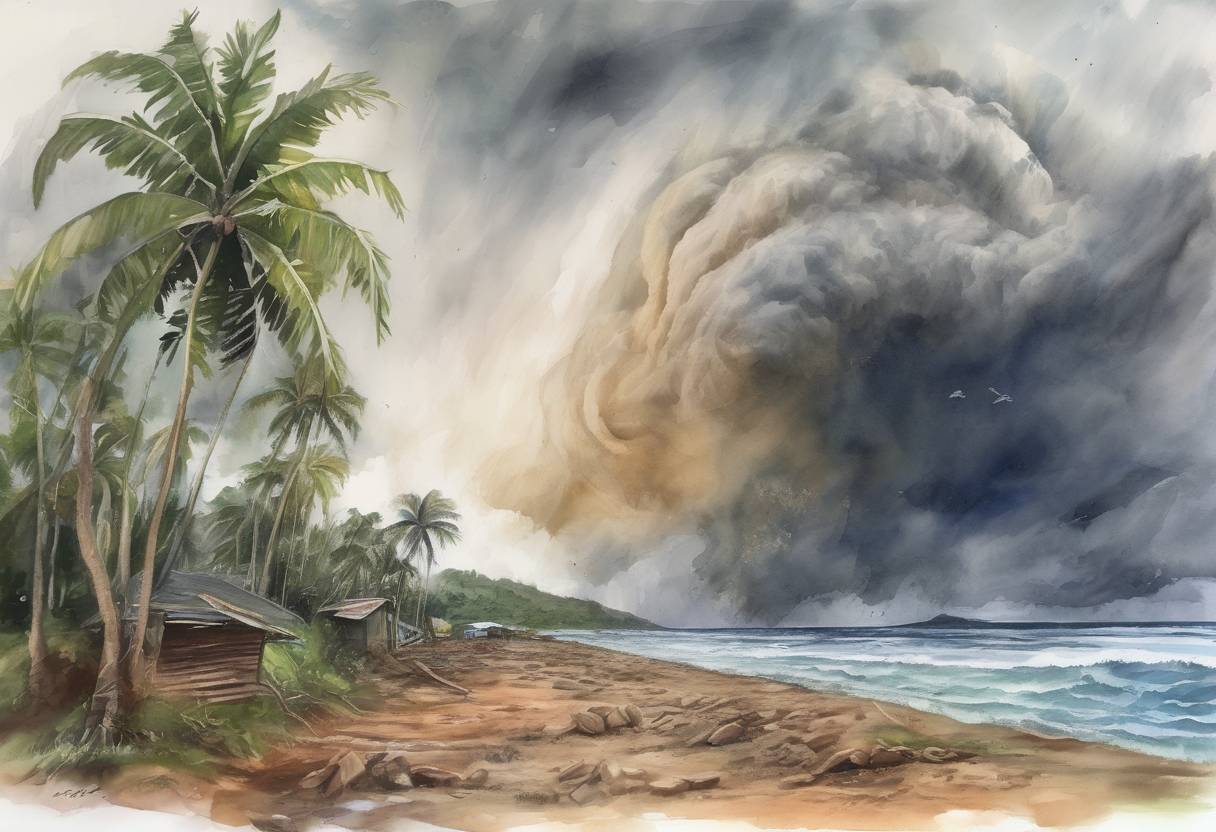
On February 20, 2016, Cyclone Winston, a Category 5 tropical cyclone, made landfall in Fiji, marking a significant event in the nation’s history due to its unprecedented strength and the widespread devastation it caused.
Cyclone Winston originated in the South Pacific Ocean and was first identified as a tropical disturbance on February 7, 2016. Over the following days, it intensified rapidly, reaching Category 5 status on the Saffir-Simpson scale, which is the highest classification for cyclones. Its path was erratic, initially moving westward before looping back towards Fiji.
The Fijian government declared a state of emergency and mobilized national resources for immediate relief efforts. International aid poured in from countries and organizations worldwide, providing essential supplies and financial assistance.
Reconstruction efforts focused on rebuilding resilient infrastructure to withstand future cyclones. The government and international partners worked on improving disaster preparedness and response strategies.
Cyclone Winston remains the strongest tropical cyclone on record to make landfall in Fiji. It highlighted the vulnerability of Pacific island nations to extreme weather events exacerbated by climate change. The cyclone prompted discussions on climate resilience and the need for global cooperation in addressing the impacts of climate change on small island developing states.
In summary, Cyclone Winston was a catastrophic event that tested Fiji’s resilience and underscored the importance of preparedness and international collaboration in the face of natural disasters.
Source: en.wikipedia.org