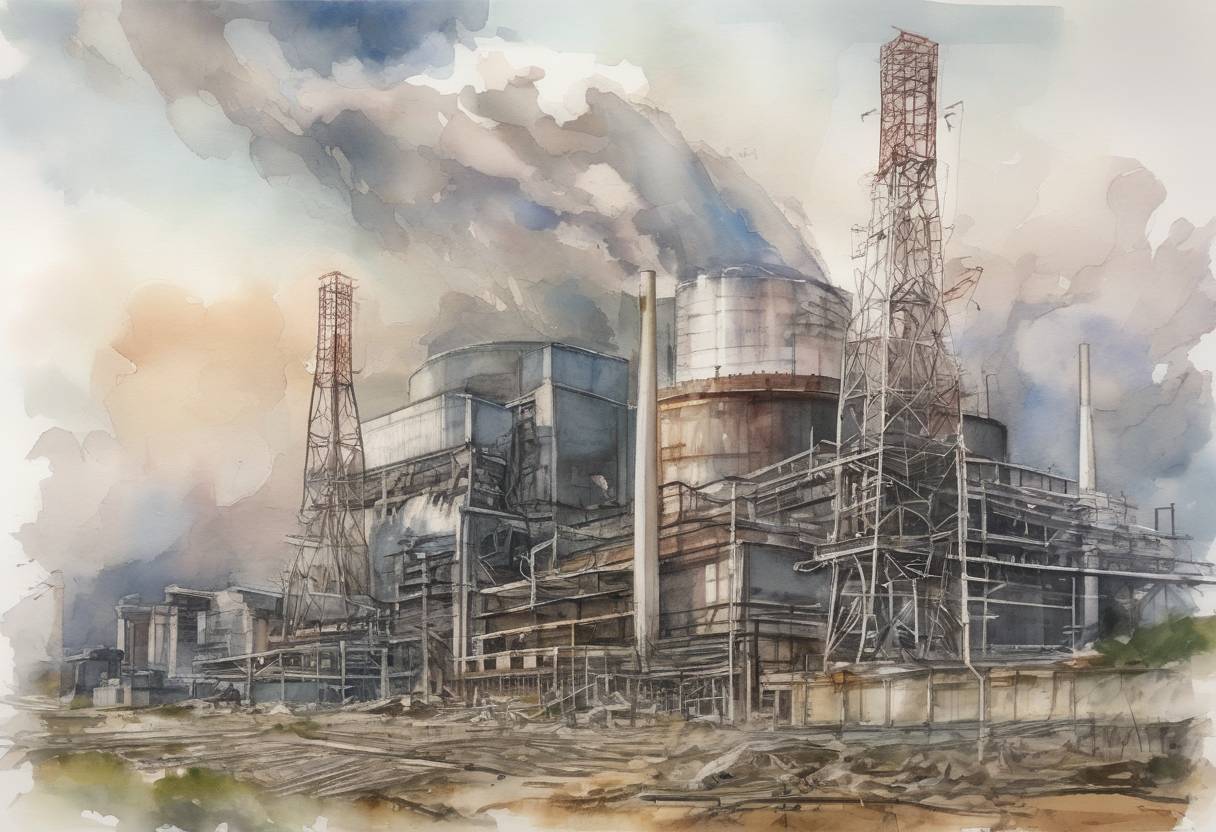
Fukushima Daiichi Nuclear Disaster - March 12, 2011
Background
On March 11, 2011, a magnitude 9.0 earthquake struck off the northeastern coast of Japan, known as the Tōhoku earthquake. This seismic event was one of the most powerful ever recorded and triggered a massive tsunami that devastated large areas of Japan’s coastline. The natural disaster had catastrophic effects on the Fukushima Daiichi Nuclear Power Plant, located in the Fukushima Prefecture.
The Disaster
March 12, 2011
Partial Meltdown: On March 12, 2011, the Fukushima Daiichi Nuclear Power Plant experienced a partial meltdown. This was a direct consequence of the failure of the plant’s cooling systems, which were critically damaged by the tsunami that followed the earthquake.
Explosion: The plant’s Unit 1 reactor building suffered a hydrogen explosion, which was caused by the buildup of hydrogen gas released from the overheated reactor core. This explosion resulted in significant structural damage and the release of radioactive materials into the environment.
Evacuation: In response to the escalating crisis, Japanese authorities expanded the evacuation zone around the plant to a 20-kilometer radius, affecting thousands of residents who were forced to leave their homes to avoid radiation exposure.
Key Events Leading Up to March 12
Earthquake and Tsunami: The earthquake and subsequent tsunami on March 11 disabled the power supply and cooling of three Fukushima Daiichi reactors, leading to the failure of the cooling systems.
Loss of Power: The tsunami inundated the plant’s backup diesel generators, which were essential for maintaining the cooling systems. This loss of power was a critical factor in the inability to control the reactor temperatures.
Aftermath and Consequences
Radiation Release: The disaster resulted in the release of radioactive isotopes into the atmosphere and ocean, leading to widespread contamination and long-term environmental and health concerns.
Global Impact: The Fukushima disaster prompted a reevaluation of nuclear safety standards worldwide. Many countries reviewed their nuclear energy policies, with some opting to phase out nuclear power altogether.
Decommissioning: The decommissioning of the Fukushima Daiichi plant is an ongoing process, expected to take decades. It involves the removal of nuclear fuel and the dismantling of the plant’s infrastructure.
Public and Political Response: The disaster had significant political and social ramifications in Japan, leading to increased public scrutiny of nuclear energy and a shift towards renewable energy sources.
Broader Historical Significance
The Fukushima Daiichi nuclear disaster highlighted the vulnerabilities of nuclear power plants to natural disasters and underscored the importance of robust safety measures and emergency preparedness. It remains a pivotal event in the history of nuclear energy, influencing policy and public perception globally.