Dmitry Medvedev Elected President of Russia - March 2, 2008
2008 · Moscow, Russia
Dmitry Medvedev was elected as the President of Russia, succeeding Vladimir Putin, who became the Prime Minister.
March 14, 2004
Vladimir Putin was re-elected as President of Russia, securing a second term with a significant majority of the vote.
Moscow, Russia | Russian Government
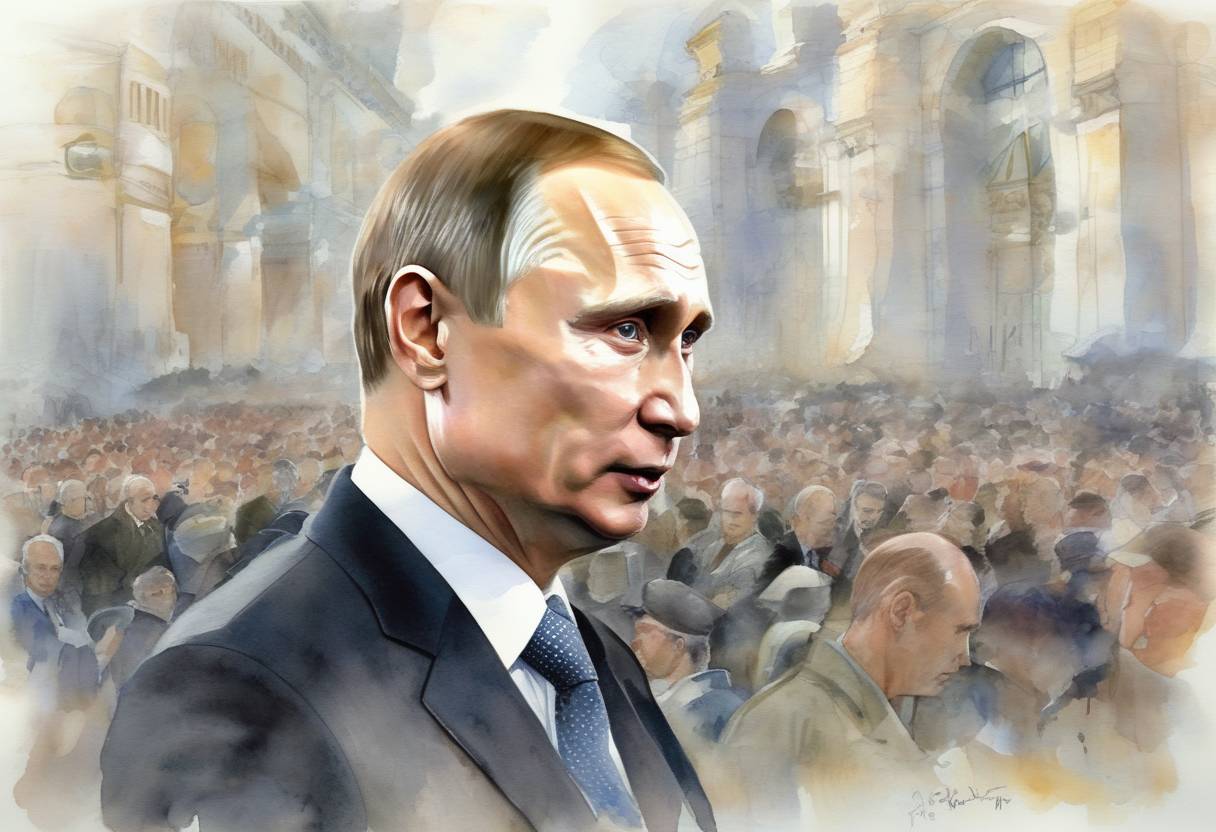
On March 14, 2004, Vladimir Putin was re-elected as the President of Russia, securing a second term with a significant majority of the vote. This election was a pivotal moment in Russian politics, reinforcing Putin’s influence and setting the stage for his continued leadership.
First Term Achievements: Putin’s first term, beginning in 2000, was marked by efforts to stabilize the Russian economy, which had suffered from the financial crisis of the late 1990s. His administration focused on economic reforms, centralizing power, and restoring Russia’s global standing.
Popularity and Public Perception: Putin’s popularity was bolstered by his image as a strong leader capable of restoring order and national pride. His approach to governance, which included a crackdown on oligarchs and increased state control over key industries, resonated with many Russians.
Chechen Conflict: The ongoing conflict in Chechnya was a significant issue during Putin’s first term. His hardline stance and military actions were controversial but also contributed to his image as a decisive leader.
Election Process: The election was held on March 14, 2004. Putin ran as the candidate for the United Russia party, which had become the dominant political force in the country.
Results: Putin won the election with approximately 71% of the vote, a clear indication of his widespread support across the nation. The election saw a voter turnout of around 64%, reflecting a strong public engagement in the electoral process.
Opposition: The opposition was fragmented and struggled to present a unified front against Putin. Key opposition figures included candidates from the Communist Party and other smaller parties, but none posed a significant challenge to Putin’s re-election.
Consolidation of Power: Putin’s re-election allowed him to further consolidate power, continuing his policies of centralization and strengthening the executive branch’s control over regional governments and the economy.
Foreign Policy: Putin’s second term saw a continuation of his assertive foreign policy, aiming to reassert Russia’s influence on the global stage, particularly in the post-Soviet space.
Economic Growth: The period following his re-election was marked by economic growth, driven by rising oil prices, which bolstered Russia’s economy and contributed to increased living standards for many Russians.
Criticism and Concerns: Despite his popularity, Putin’s leadership style and the election process faced criticism from international observers and human rights organizations, who raised concerns about media freedom, political pluralism, and the fairness of the electoral process.
Vladimir Putin’s re-election in 2004 was a defining moment in Russian politics, solidifying his leadership and setting the trajectory for Russia’s domestic and international policies in the years to come.
Source: www.bbc.com