The 90th Academy Awards: March 4, 2018
2018 · Los Angeles, United States
The 90th Academy Awards took place, with 'The Shape of Water' winning Best Picture and Guillermo del Toro winning Best Director.
March 19, 1953
The Academy Awards were televised for the first time, marking a new era in the broadcast of the Oscars.
Los Angeles, United States | Academy of Motion Picture Arts and Sciences
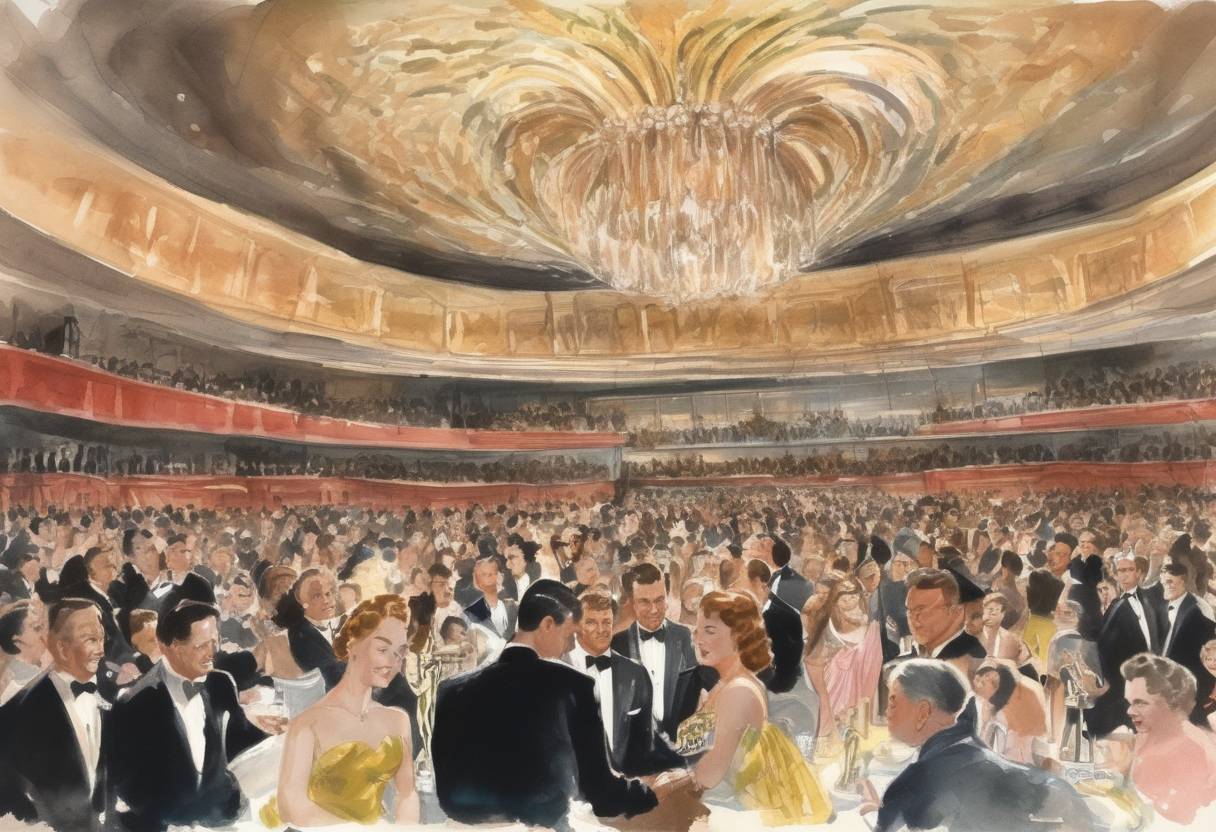
On March 19, 1953, the Academy Awards, commonly known as the Oscars, were televised for the first time, marking a significant milestone in the history of the awards and the entertainment industry. This event transformed the Oscars from a Hollywood-centric affair into a global spectacle, allowing audiences across the United States to witness the glamour and excitement of the film industry’s most prestigious awards ceremony.
The Academy Awards were first held in 1929, and for the first two decades, the ceremony was primarily a private event attended by industry insiders. Initially, the results were announced to the public via newspapers, and later, the ceremony was broadcast on radio. However, the advent of television in the late 1940s and early 1950s presented a new opportunity to reach a wider audience.
By the early 1950s, television was rapidly becoming a dominant medium in American households. The decision to televise the Oscars was driven by the desire to capitalize on this growing trend and to bring the magic of Hollywood into living rooms across the nation.
The 25th Academy Awards ceremony was held at the RKO Pantages Theatre in Hollywood, California, and the NBC International Theatre in New York City. The event was hosted by comedian Bob Hope, a frequent host of the Oscars, known for his wit and charm.
The broadcast was a collaborative effort between NBC and the Academy of Motion Picture Arts and Sciences. It was a logistical challenge, as it required coordinating a live broadcast from two different locations. Despite these challenges, the event was a success, drawing an estimated audience of 34 million viewers.
The televised broadcast of the Oscars in 1953 marked the beginning of a new era for the Academy Awards. It set a precedent for future ceremonies and established the Oscars as a major television event. The success of the broadcast demonstrated the power of television to bring cultural events to a mass audience, influencing how other awards shows and live events would be presented in the future.
The decision to televise the Oscars also had a lasting impact on the film industry, as it increased public interest in the awards and the films nominated. This, in turn, contributed to the Oscars becoming a significant promotional tool for the film industry.
In conclusion, the first televised Academy Awards on March 19, 1953, was a pivotal moment in entertainment history, showcasing the potential of television as a medium and forever changing the way audiences engage with the Oscars.
Source: en.wikipedia.org