The Abdication of King Edward VIII
1936 · London, United Kingdom
King Edward VIII of the United Kingdom abdicates the throne to marry Wallis Simpson, an American divorcée.
January 20, 1936
King George V of the United Kingdom died, and his son, Edward VIII, ascended to the throne, leading to a significant constitutional crisis later that year.
Sandringham, United Kingdom | British Monarchy
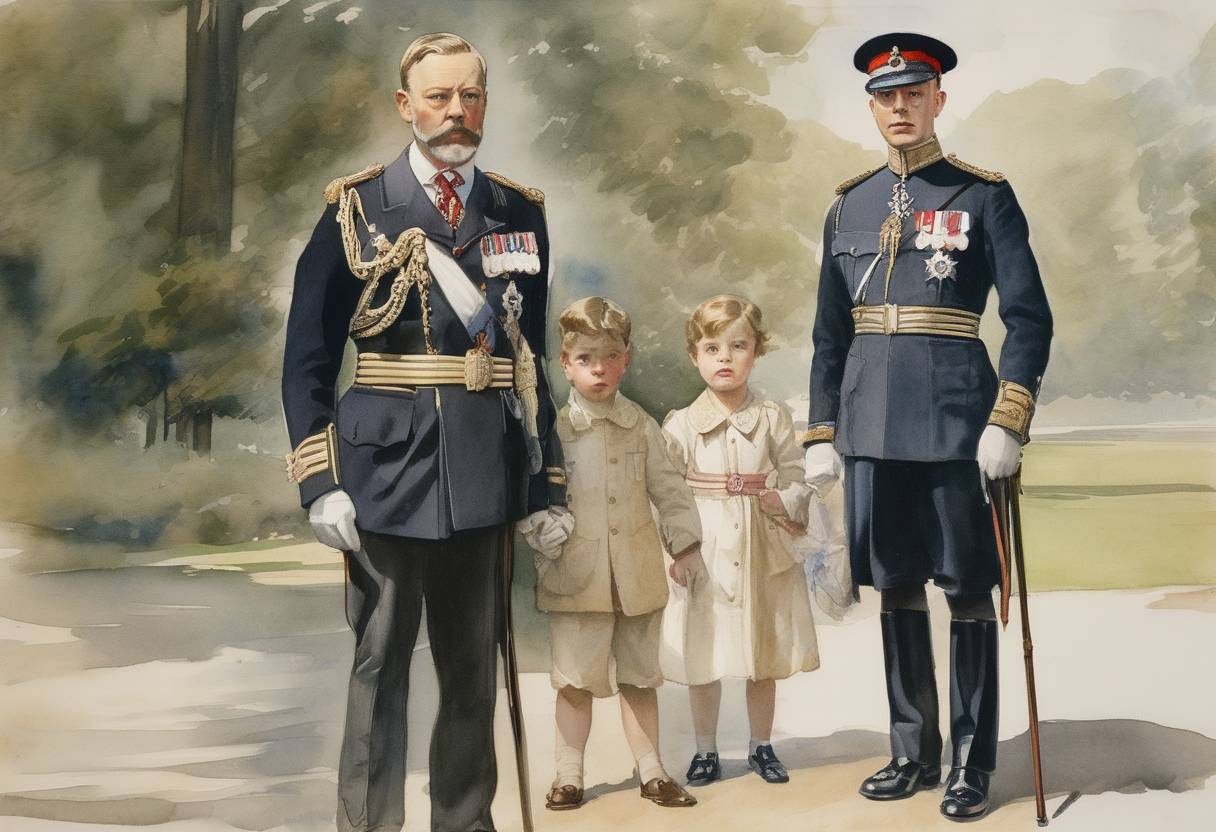
On January 20, 1936, King George V of the United Kingdom passed away at Sandringham House in Norfolk, England. His death marked the end of a reign that began in 1910 and spanned significant events such as World War I and the beginning of the Great Depression. George V was known for his dedication to his role and his efforts to modernize the monarchy, maintaining its relevance in a rapidly changing world.
Following the death of George V, his eldest son, Edward VIII, ascended to the throne. Edward was known for his charismatic personality and modern outlook, which initially garnered public interest and enthusiasm. However, his reign would soon lead to one of the most significant constitutional crises in British history.
The constitutional crisis arose later in 1936 when Edward VIII expressed his desire to marry Wallis Simpson, an American divorcée. The prospect of this marriage was controversial for several reasons:
Religious and Moral Concerns: As the head of the Church of England, Edward was expected to uphold its teachings, which at the time did not permit the remarriage of divorced persons if their former spouses were still alive.
Political Implications: The British government, led by Prime Minister Stanley Baldwin, opposed the marriage, fearing it would not be accepted by the public and could destabilize the monarchy.
Public Opinion: The British public and the dominions of the British Empire were divided on the issue, with many viewing the marriage as inappropriate.
Faced with the choice between the throne and his love for Wallis Simpson, Edward VIII chose to abdicate. On December 11, 1936, he became the first British monarch to voluntarily relinquish the throne, stating in a radio broadcast, “I have found it impossible to carry the heavy burden of responsibility and to discharge my duties as king as I would wish to do without the help and support of the woman I love.”
Edward’s abdication led to the ascension of his younger brother, Albert, Duke of York, who became King George VI. George VI’s reign would see the United Kingdom through World War II and the beginning of the decolonization process.
The abdication crisis had lasting impacts on the British monarchy and constitutional law. It reinforced the principle that the monarch must act in accordance with the advice of the government and underscored the importance of public and political approval for royal actions.
Edward VIII, after his abdication, was given the title Duke of Windsor and lived much of his life in exile, primarily in France. His decision to abdicate for personal reasons remains a pivotal moment in the history of the British monarchy, illustrating the complex interplay between personal desires and public duty.
Source: www.britannica.com