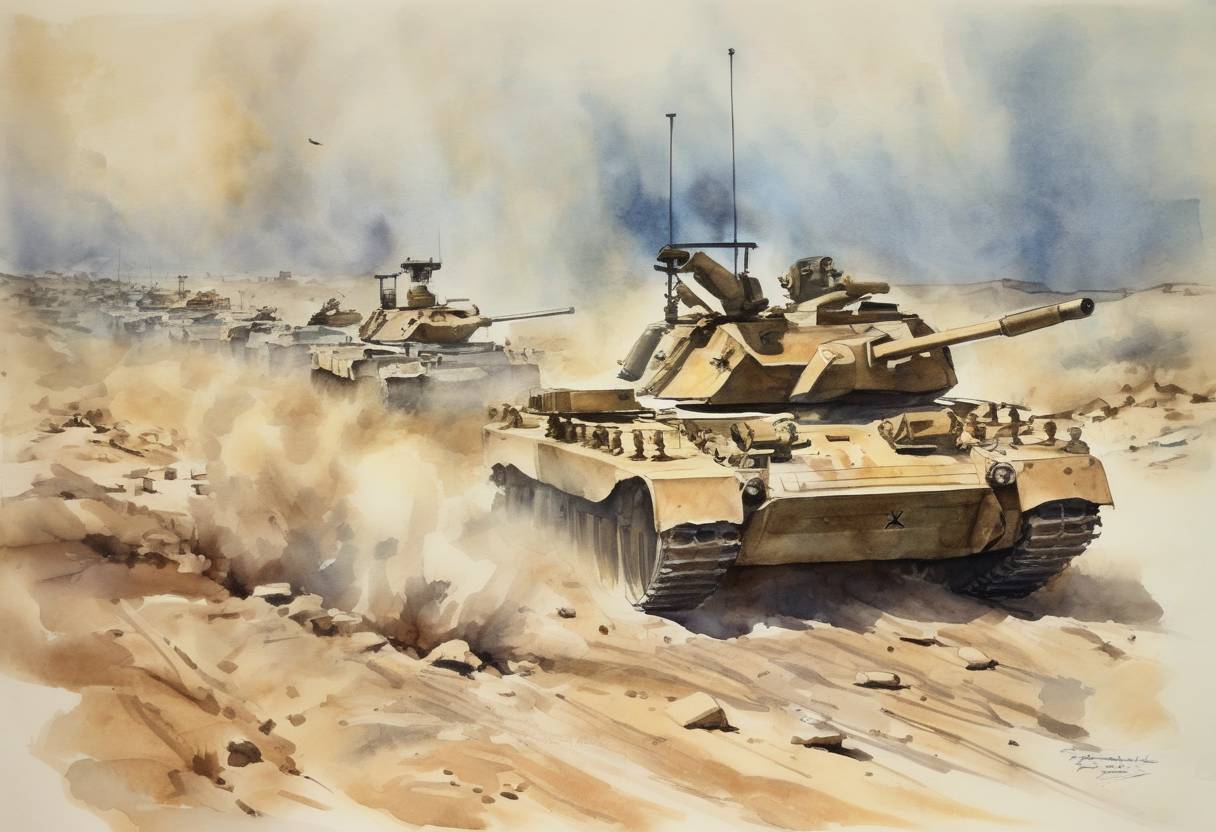
The Six-Day War: June 5, 1967
The Six-Day War, a pivotal conflict in Middle Eastern history, commenced on June 5, 1967, involving Israel and the neighboring Arab states of Egypt, Jordan, and Syria. This brief yet intense war significantly altered the geopolitical landscape of the region.
Background
The roots of the conflict can be traced back to the longstanding Arab-Israeli tensions following the establishment of the State of Israel in 1948. The period leading up to the war saw escalating hostilities, including:
- Suez Crisis (1956): A previous conflict where Israel, the United Kingdom, and France invaded Egypt following Egypt’s nationalization of the Suez Canal.
- Border Skirmishes: Frequent clashes along Israel’s borders with Syria and Jordan, exacerbating tensions.
- Egypt’s Military Buildup: In May 1967, Egyptian President Gamal Abdel Nasser mobilized forces in the Sinai Peninsula and closed the Straits of Tiran to Israeli shipping, a move Israel considered an act of war.
Key Events of the War
June 5, 1967: Outbreak of Hostilities
- Operation Focus: Israel launched a preemptive airstrike against Egypt, destroying the majority of the Egyptian Air Force on the ground. This decisive move gave Israel air superiority for the remainder of the conflict.
- Ground Offensive: Following the air assault, Israeli ground forces advanced into the Sinai Peninsula.
June 6-8, 1967: Expansion of the Conflict
- Jordan and the West Bank: Despite Israeli warnings, Jordan entered the war, leading to fierce battles in Jerusalem and the West Bank. Israeli forces captured East Jerusalem and the West Bank by June 7.
- Syria and the Golan Heights: On June 9, Israel turned its attention to Syria, capturing the strategic Golan Heights by June 10.
June 10, 1967: Ceasefire
- A United Nations-brokered ceasefire came into effect, ending the six days of fighting.
Aftermath and Consequences
- Territorial Changes: Israel’s victory resulted in the occupation of the Sinai Peninsula, Gaza Strip, West Bank, East Jerusalem, and the Golan Heights.
- Refugee Crisis: The war exacerbated the Palestinian refugee situation, with many Palestinians displaced from the newly occupied territories.
- Political Repercussions: The war significantly altered the balance of power in the Middle East, leading to increased tensions and laying the groundwork for future conflicts, including the Yom Kippur War in 1973.
- UN Resolution 242: In November 1967, the United Nations Security Council passed Resolution 242, calling for the withdrawal of Israeli forces from occupied territories and the recognition of all states’ right to live in peace.
The Six-Day War remains a critical event in Middle Eastern history, with its legacy continuing to influence the region’s political dynamics and peace processes.