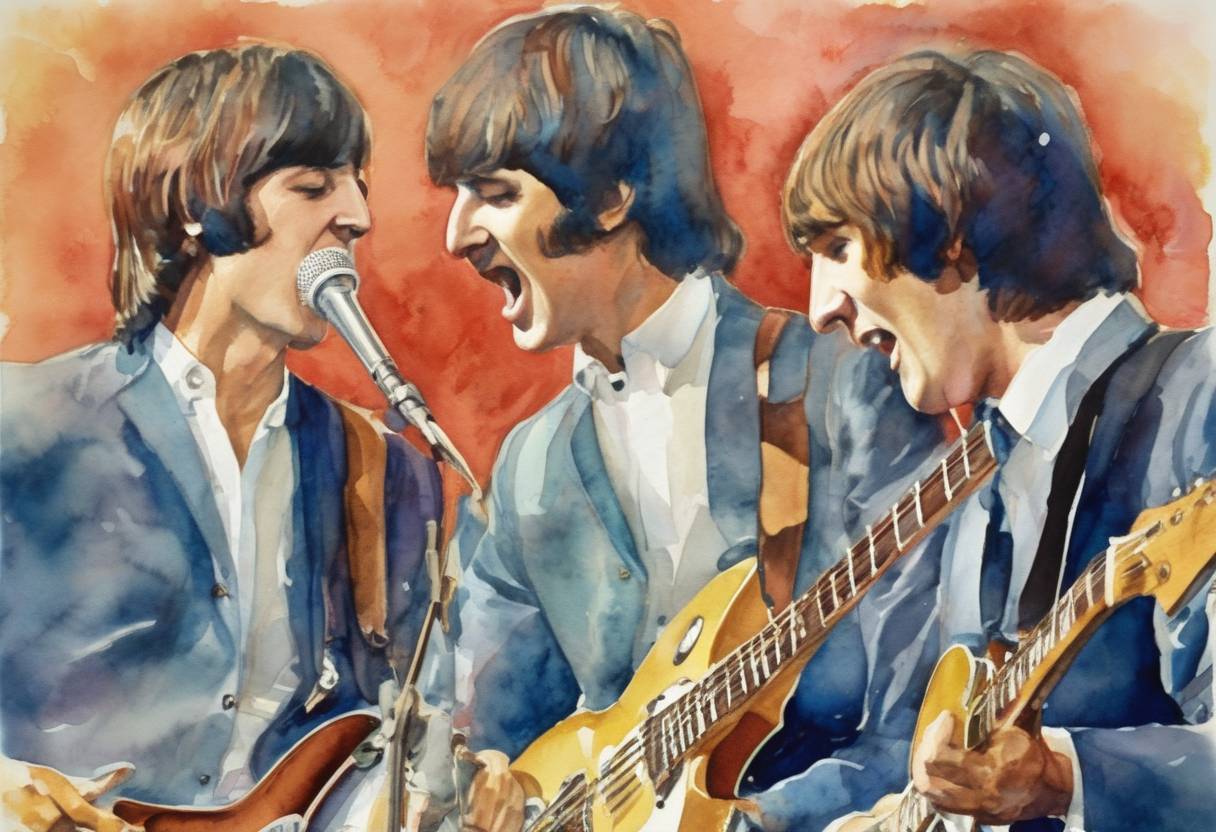
The Beatles at Shea Stadium: August 15, 1965
On August 15, 1965, The Beatles performed at Shea Stadium in New York City, marking one of the most iconic concerts in rock history. This event was a pivotal moment in the history of live music, setting a new standard for stadium concerts and showcasing the immense popularity of The Beatles during the height of Beatlemania.
Context and Background
The Beatles’ Rise to Fame: By 1965, The Beatles had already achieved international fame with a string of hit singles and albums. Their appearance on “The Ed Sullivan Show” in 1964 had catapulted them to stardom in the United States, and they were at the forefront of the British Invasion.
Touring Challenges: The band had been touring extensively, but the sheer volume of their fan base made traditional concert venues inadequate. The decision to perform at Shea Stadium, a venue primarily used for baseball, was both a logistical challenge and a groundbreaking move for live music performances.
The Concert
Attendance and Atmosphere: The concert drew an audience of over 55,000 fans, making it one of the largest gatherings for a rock concert at that time. The energy was electric, with fans screaming so loudly that it was often difficult for the band to hear themselves play.
Setlist: The Beatles performed a 30-minute set, which included hits such as “Twist and Shout,” “She’s a Woman,” “I Feel Fine,” “Dizzy Miss Lizzy,” “Ticket to Ride,” “Everybody’s Trying to Be My Baby,” “Can’t Buy Me Love,” “Baby’s in Black,” “Act Naturally,” “A Hard Day’s Night,” “Help!,” and “I’m Down.”
Technical Challenges: The concert was plagued by technical limitations of the time. The sound system was rudimentary by today’s standards, and the band played through the stadium’s public address system, which was designed for announcements rather than music.
Aftermath and Significance
Cultural Impact: The Shea Stadium concert is often cited as the birth of the modern stadium rock concert. It demonstrated the potential for large-scale live performances and influenced how future concerts were organized and executed.
Media Coverage: The event was filmed and later released as a documentary, “The Beatles at Shea Stadium,” which further immortalized the concert and provided fans who couldn’t attend a glimpse of the experience.
Legacy: The concert solidified The Beatles’ status as cultural icons and paved the way for future mega-concerts by other artists. It remains a defining moment in the history of rock music and live performances.
In conclusion, The Beatles’ performance at Shea Stadium on August 15, 1965, was not just a concert but a cultural phenomenon that highlighted the transformative power of music and the unprecedented influence of The Beatles during the 1960s.