The Beatles' Rooftop Concert: January 30, 1969
1969 · London, United Kingdom
The Beatles performed an unannounced concert on the rooftop of Apple Records in London, their last public performance.
May 8, 1970
The Beatles release their final studio album, 'Let It Be.'
London, United Kingdom | Apple Records
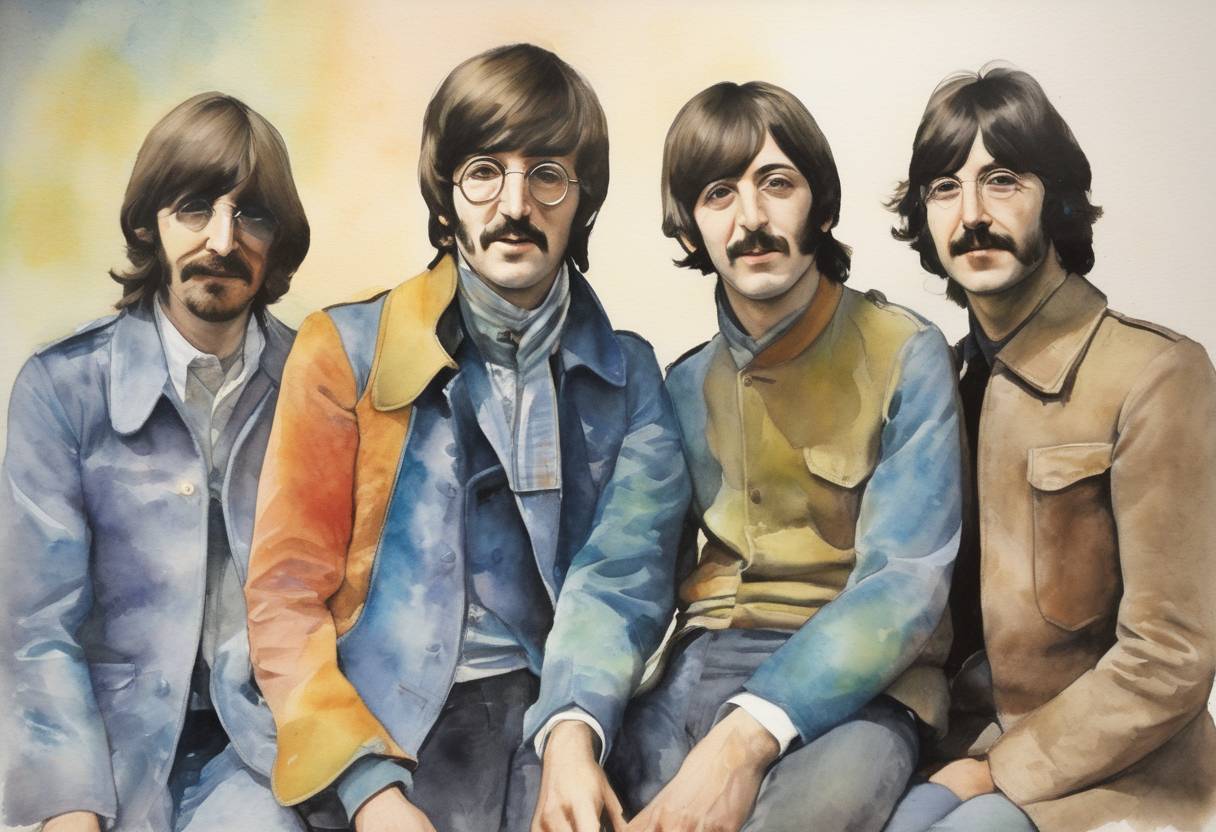
On May 8, 1970, The Beatles released their twelfth and final studio album, “Let It Be.” This album marked the end of an era for the iconic British band, which had revolutionized the music industry throughout the 1960s. Despite being the last album released, much of “Let It Be” was recorded before their penultimate album, “Abbey Road.”
The recording sessions for “Let It Be” began in January 1969, originally intended for a project called “Get Back.” The concept was to capture The Beatles returning to their roots with a live performance and a documentary film showcasing the recording process. However, the sessions were fraught with tension and disagreements among the band members, reflecting the growing strain in their relationships.
The project was temporarily shelved, and the band moved on to record “Abbey Road.” It wasn’t until after The Beatles had effectively disbanded that the “Get Back” sessions were revisited. American producer Phil Spector was brought in to compile and produce the album, adding his signature “Wall of Sound” to several tracks, which was a point of contention, particularly for Paul McCartney.
“Let It Be” features several notable tracks that have become classics in The Beatles’ catalog:
Upon its release, “Let It Be” received mixed reviews. Critics were divided over Spector’s production choices, and the album’s raw, less polished sound compared to previous Beatles records. Despite this, it was commercially successful, reaching number one on the charts in both the UK and the US.
The release of “Let It Be” coincided with the official announcement of The Beatles’ breakup, which had been hinted at for months. The accompanying documentary film, also titled “Let It Be,” provided a candid look at the band’s dynamic during the recording sessions.
In the years since its release, “Let It Be” has been re-evaluated and appreciated for its historical significance and the quality of its music. In 2003, Paul McCartney spearheaded the release of “Let It Be… Naked,” a remixed version of the album that stripped away Spector’s production to present a more stripped-down sound, closer to the band’s original vision.
“Let It Be” remains a poignant farewell from one of the most influential bands in music history, encapsulating both the creative genius and the personal challenges that defined The Beatles’ final chapter.
Source: en.wikipedia.org