Scotland's Vote for Devolution: September 11, 1997
1997 · Edinburgh, Scotland
Scotland voted to create its own Parliament after 290 years of union with England.
January 16, 1707
The Act of Union was ratified by the Parliament of Scotland, leading to the creation of the Kingdom of Great Britain.
Edinburgh, Scotland | Parliament of Scotland
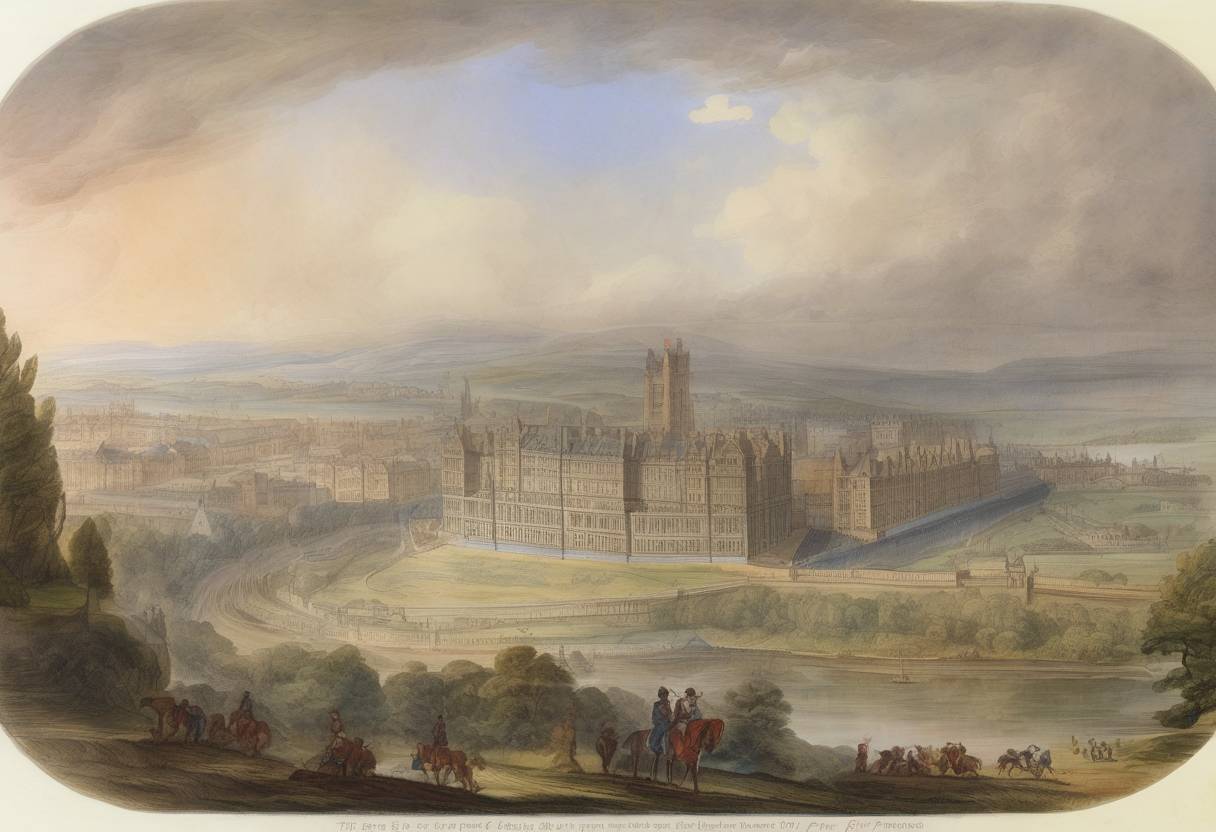
On January 16, 1707, a pivotal moment in British history occurred when the Parliament of Scotland ratified the Act of Union. This legislative act led to the unification of the Kingdom of Scotland and the Kingdom of England, creating the Kingdom of Great Britain. The ratification marked the culmination of a series of negotiations and political maneuvers aimed at consolidating the two separate sovereign states under a single government.
The union between Scotland and England had been a topic of discussion for many years, driven by political, economic, and security considerations. Key factors leading to the union included:
Economic Pressures: Scotland faced significant economic challenges, exacerbated by the failure of the Darien Scheme, an ambitious but disastrous attempt to establish a Scottish colony in Panama. The financial losses from this venture left Scotland in a precarious economic state.
Political Stability: The death of Queen Elizabeth I in 1603 led to the Union of the Crowns, with James VI of Scotland ascending to the English throne as James I. However, the two kingdoms remained legally separate, each with its own parliament.
Security Concerns: The War of the Spanish Succession (1701-1714) highlighted the need for a unified defense strategy. A united kingdom would be better positioned to protect itself against European powers.
The Act of Union consisted of two complementary acts: one passed by the Parliament of England and the other by the Parliament of Scotland. The key provisions included:
Unified Parliament: The creation of a single Parliament of Great Britain, located in Westminster, effectively dissolving the separate Scottish and English parliaments.
Economic Integration: The establishment of a single market, allowing for free trade and economic integration between Scotland and England.
Preservation of Laws: While the political union was achieved, Scotland retained its own legal system, known as Scots law, and its own church, the Church of Scotland.
The ratification process in Scotland was contentious, with significant opposition from various factions, including those who feared the loss of Scottish sovereignty and identity. However, the promise of economic benefits and political stability ultimately swayed enough members of the Scottish Parliament to approve the union.
The aftermath of the Act of Union saw:
Economic Growth: Over time, Scotland benefited from access to English markets and colonial trade, contributing to economic growth and development.
Cultural Impact: The union had profound cultural implications, fostering a sense of British identity while also sparking movements to preserve Scottish culture and traditions.
Political Evolution: The creation of the Kingdom of Great Britain set the stage for the future expansion of the British Empire and the development of modern British political institutions.
The Act of Union of 1707 remains a significant milestone in British history, representing a complex blend of political compromise, economic necessity, and cultural integration. It laid the foundation for the modern United Kingdom and continues to influence discussions on national identity and governance.
Source: www.britannica.com