The 7⁄7 London Bombings
On July 7, 2005, a series of coordinated suicide bombings targeted the London public transport system during the morning rush hour. This tragic event resulted in the deaths of 52 civilians and injured over 700 others. The attacks were carried out by four Islamist extremists and marked the deadliest terrorist incident in the United Kingdom since the 1988 Lockerbie bombing.
Background
The attacks occurred in the context of heightened global tensions following the September 11, 2001, attacks in the United States and the subsequent “War on Terror.” The UK had been involved in military operations in Afghanistan and Iraq, which had increased domestic concerns about potential retaliatory attacks.
The Attacks
The bombings were meticulously planned and executed by four British men of Pakistani descent:
- Mohammad Sidique Khan
- Shehzad Tanweer
- Germaine Lindsay
- Hasib Hussain
The attackers targeted three London Underground trains and a double-decker bus:
- 8:50 AM: Three bombs exploded within 50 seconds of each other on trains at Edgware Road, Aldgate, and Russell Square.
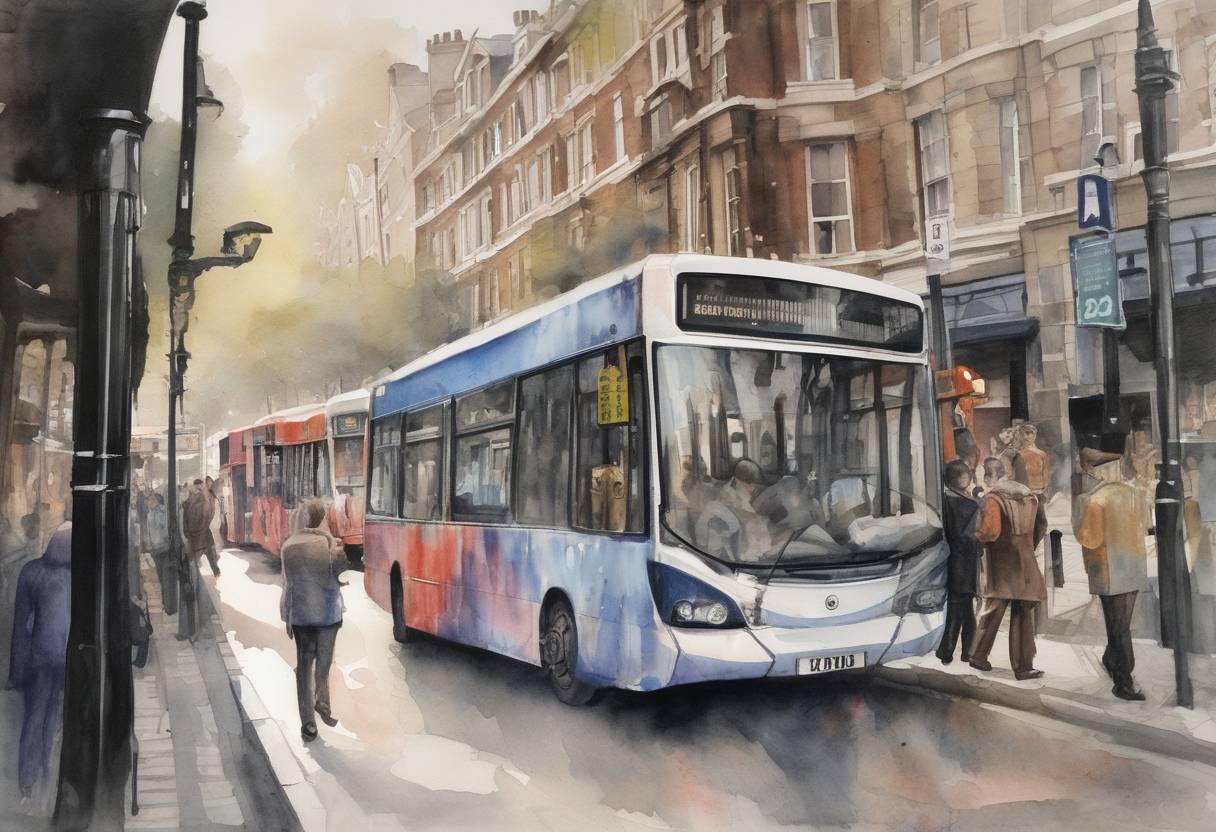
- 9:47 AM: A fourth bomb detonated on a double-decker bus at Tavistock Square.
- Emergency Response: The emergency services responded swiftly, but the scale of the attacks posed significant challenges. Hospitals across London were put on high alert to treat the injured.
- Public Reaction: The attacks shocked the nation and led to an outpouring of grief and solidarity. Vigils and memorials were held across the UK.
Investigation and Consequences
- Investigation: The subsequent investigation revealed that the bombers had been radicalized over several years and had connections to extremist networks.
- Security Measures: In response, the UK government implemented stricter security measures and increased surveillance to prevent future attacks.
- Public Discourse: The bombings sparked a national debate on issues such as integration, counter-terrorism strategies, and civil liberties.
Broader Historical Significance
The 7⁄7 bombings highlighted the threat of homegrown terrorism and the challenges of addressing radicalization within communities. It underscored the need for comprehensive counter-terrorism strategies that balance security with the protection of civil liberties.
The attacks remain a somber reminder of the impact of terrorism on society and the importance of resilience and unity in the face of such threats.