NATO Air Strikes Against Yugoslavia: Beginning of the Kosovo War Intervention
1999 · Belgrade, Yugoslavia
NATO launched air strikes against Yugoslavia, marking the beginning of the Kosovo War intervention.
June 10, 1999
NATO suspended its air strikes in Yugoslavia after Slobodan Milošević agreed to withdraw Serbian forces from Kosovo, ending the Kosovo War.
Belgrade, Yugoslavia | NATO
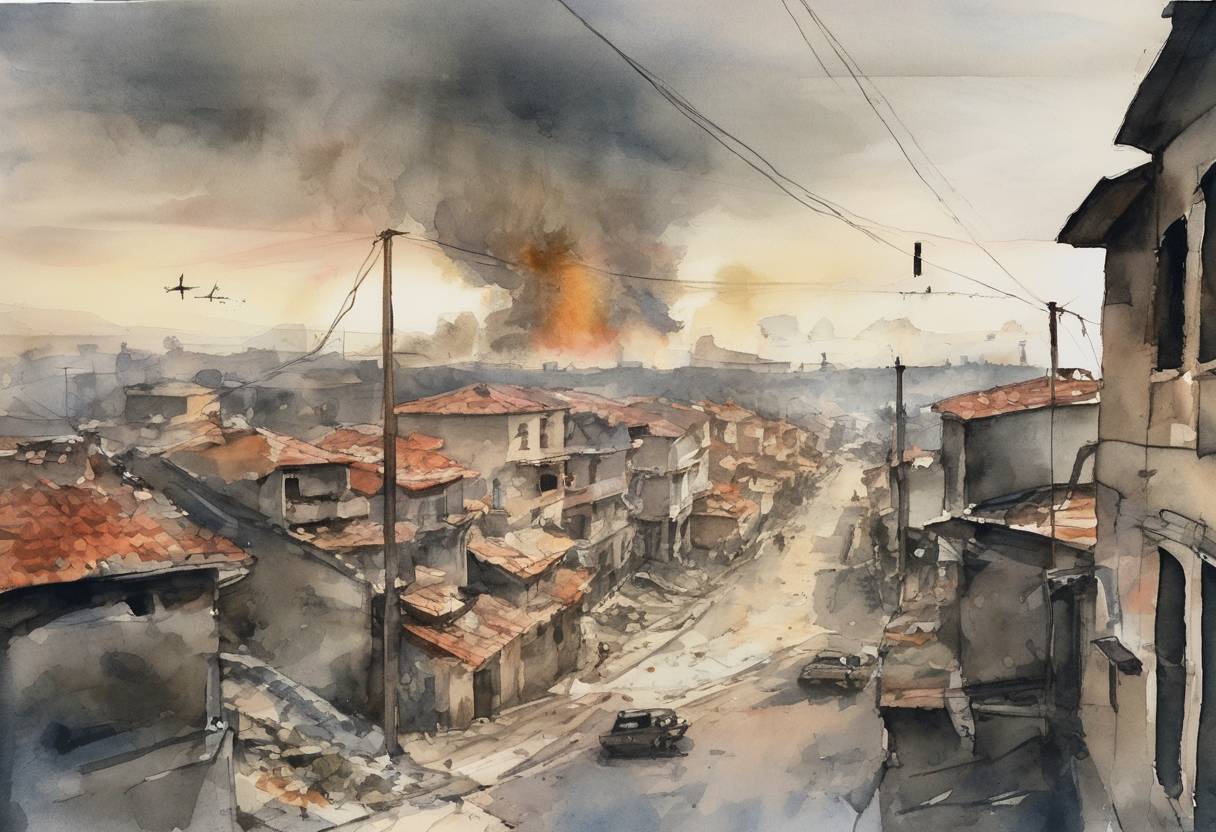
On June 10, 1999, NATO suspended its air strikes against Yugoslavia after Yugoslav President Slobodan Milošević agreed to withdraw Serbian forces from Kosovo, effectively bringing an end to the Kosovo War. This marked a significant turning point in the conflict, which had begun in March 1999.
The Kosovo War was rooted in the long-standing ethnic tensions between the Albanian majority and the Serbian minority in the region of Kosovo, which was then part of the Federal Republic of Yugoslavia. The conflict escalated in the late 1990s as the Kosovo Liberation Army (KLA) sought independence for Kosovo, leading to a violent crackdown by Serbian forces.
In response to the humanitarian crisis and reports of ethnic cleansing by Serbian forces, NATO launched a bombing campaign on March 24, 1999. The campaign aimed to pressure Milošević to cease hostilities and withdraw his forces from Kosovo. Over the course of 78 days, NATO conducted extensive air strikes targeting military infrastructure and strategic sites across Yugoslavia.
The breakthrough came after intense diplomatic negotiations, primarily led by the United States and European Union, alongside Russia’s involvement. On June 3, 1999, Milošević accepted a peace plan that included:
Following the agreement, NATO announced the suspension of its air campaign on June 10, 1999, as Serbian forces began their withdrawal from the region.
The cessation of hostilities allowed for the deployment of the NATO-led Kosovo Force (KFOR) to ensure peace and security in the region. The United Nations established the United Nations Interim Administration Mission in Kosovo (UNMIK) to oversee the region’s administration and facilitate the return of refugees.
The resolution of the Kosovo War had several significant consequences:
Kosovo eventually declared independence from Serbia in 2008, a move that remains contentious and is not universally recognized.
The suspension of NATO’s air strikes on June 10, 1999, marked the end of a critical chapter in the Balkans’ turbulent history, paving the way for a fragile peace and ongoing efforts toward stability in the region.
Source: en.wikipedia.org