February 15, 2013

A meteor exploded over Chelyabinsk, Russia, injuring over 1,500 people and causing extensive damage to buildings. It was the largest recorded meteor strike in over a century.


Chelyabinsk, Russia | N/A
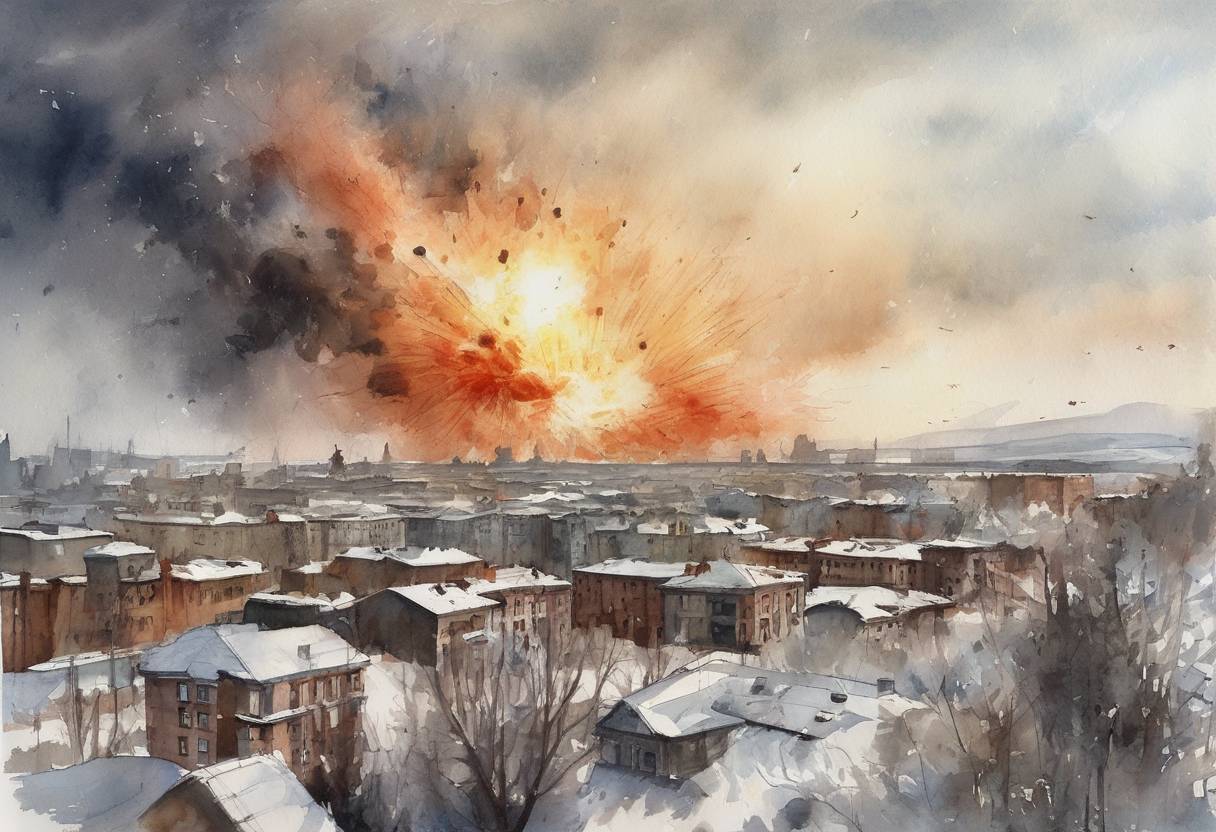
Watercolor painting based depiction of A meteor exploded over Chelyabinsk, Russia, injuring over 1,500 people and causing extensive damage to buildings. It was the largest recorded meteor strike in over a century. (2013)

Chelyabinsk Meteor Explosion - February 15, 2013

On February 15, 2013, a meteor exploded over the city of Chelyabinsk in Russia, marking the largest recorded meteor strike in over a century. This extraordinary event captured global attention due to its dramatic impact and the extensive damage it caused.

Background

The Chelyabinsk meteor was an approximately 20-meter-wide near-Earth asteroid. It entered Earth’s atmosphere at a speed of about 19 kilometers per second (approximately 42,500 miles per hour). The meteor was undetected before its atmospheric entry, highlighting the challenges in tracking smaller celestial bodies.

The Event

  • Time and Location: The meteor exploded over the Chelyabinsk Oblast in Russia at around 9:20 AM local time.
  • Explosion: As the meteor penetrated the atmosphere, it generated a bright flash and a powerful shockwave. The explosion occurred at an altitude of about 30 kilometers (approximately 18.6 miles) above the ground.
  • Energy Release: The energy released by the explosion was estimated to be equivalent to approximately 470-500 kilotons of TNT, making it significantly more powerful than the atomic bomb dropped on Hiroshima during World War II.

Impact and Damage

  • Injuries: Over 1,500 people were injured, primarily due to glass shattering from windows as a result of the shockwave. Most injuries were minor, such as cuts and bruises, but some required hospitalization.
  • Structural Damage: Thousands of buildings across six cities in the region sustained damage. The shockwave blew out windows, damaged walls, and caused structural damage to some buildings.
  • Economic Impact: The estimated cost of the damage was around 1 billion rubles (approximately $33 million USD at the time).

Scientific and Global Significance

  • Scientific Interest: The Chelyabinsk event provided a rare opportunity for scientists to study the effects of a meteor airburst. It led to increased interest in planetary defense and the tracking of near-Earth objects (NEOs).
  • Public Awareness: The event raised global awareness about the potential hazards posed by asteroids and meteors. It underscored the importance of developing better detection and mitigation strategies to protect against future impacts.

Aftermath

In the aftermath of the Chelyabinsk meteor explosion, there was a renewed focus on international cooperation to improve asteroid detection and response strategies. The event served as a wake-up call for the scientific community and governments worldwide to invest in technologies and systems that could prevent or mitigate the effects of similar incidents in the future.

The Chelyabinsk meteor explosion remains a significant event in the study of near-Earth objects and planetary defense, illustrating both the potential risks and the need for preparedness in the face of natural cosmic phenomena.