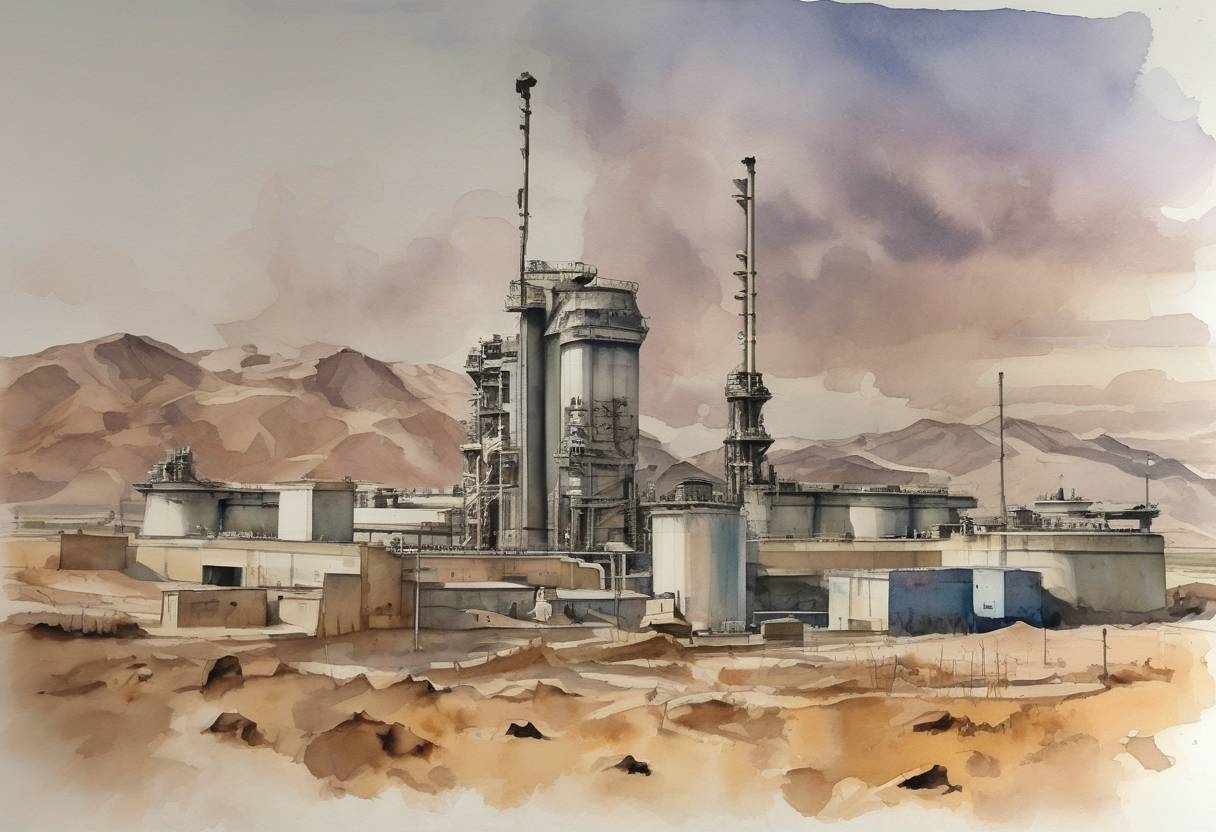
Iran’s Uranium Enrichment Announcement - April 11, 2006
On April 11, 2006, Iran publicly announced that it had successfully enriched uranium for the first time, marking a pivotal moment in its nuclear program. This development was significant as it heightened international concerns regarding the potential for nuclear weapons development, despite Iran’s assertions that its nuclear ambitions were purely for peaceful purposes.
Context Leading Up to the Announcement
Nuclear Program Origins: Iran’s nuclear program dates back to the 1950s, initially supported by the United States under the “Atoms for Peace” program. However, following the 1979 Iranian Revolution, Western support waned, and Iran pursued its nuclear ambitions independently.
International Tensions: By the early 2000s, Iran’s nuclear activities had become a focal point of international scrutiny. The International Atomic Energy Agency (IAEA) and Western nations, particularly the United States, expressed concerns over the potential military dimensions of Iran’s nuclear program.
Negotiations and Diplomatic Efforts: Prior to the 2006 announcement, Iran had engaged in negotiations with the European Union and other international bodies, resulting in temporary suspensions of its enrichment activities. However, these talks often stalled over issues of transparency and trust.
The Announcement
Details of the Enrichment: On April 11, 2006, Iranian President Mahmoud Ahmadinejad declared that Iran had successfully enriched uranium to 3.5% using centrifuges at the Natanz facility. This level of enrichment is suitable for nuclear power reactors but far below the 90% enrichment required for weapons-grade material.
National Pride and Sovereignty: Ahmadinejad framed the achievement as a matter of national pride and technological advancement, emphasizing Iran’s right to develop nuclear technology under the Treaty on the Non-Proliferation of Nuclear Weapons (NPT).
International Reaction
Concerns and Condemnation: The announcement was met with immediate concern from the international community. The United States, European Union, and other nations feared that Iran’s enrichment capabilities could eventually lead to the development of nuclear weapons.
Calls for Sanctions: In response, there were calls for increased diplomatic pressure and potential sanctions against Iran to curb its nuclear ambitions. The United Nations Security Council became a central arena for these discussions.
Aftermath and Consequences
Escalation of Tensions: The announcement contributed to escalating tensions between Iran and Western nations, leading to a series of diplomatic standoffs and negotiations over the following years.
Nuclear Deal Efforts: These tensions eventually culminated in the Joint Comprehensive Plan of Action (JCPOA) in 2015, an agreement aimed at limiting Iran’s nuclear capabilities in exchange for the lifting of economic sanctions.
Ongoing Challenges: Despite the JCPOA, Iran’s nuclear program remains a contentious issue, with ongoing debates about compliance, regional security implications, and the future of nuclear non-proliferation efforts.
In summary, Iran’s announcement on April 11, 2006, was a critical juncture in its nuclear narrative, influencing international diplomacy and security policies in the years that followed.