1790 · Washington D.C., United States
The United States enacted its first copyright law, the Copyright Act of 1790, which laid the foundation for copyright protection in the country.
April 10, 1710
The Statute of Anne, also known as the Copyright Act 1710, becomes law, marking the first time that authors were granted ownership rights over their literary works.
London, England | Parliament of Great Britain
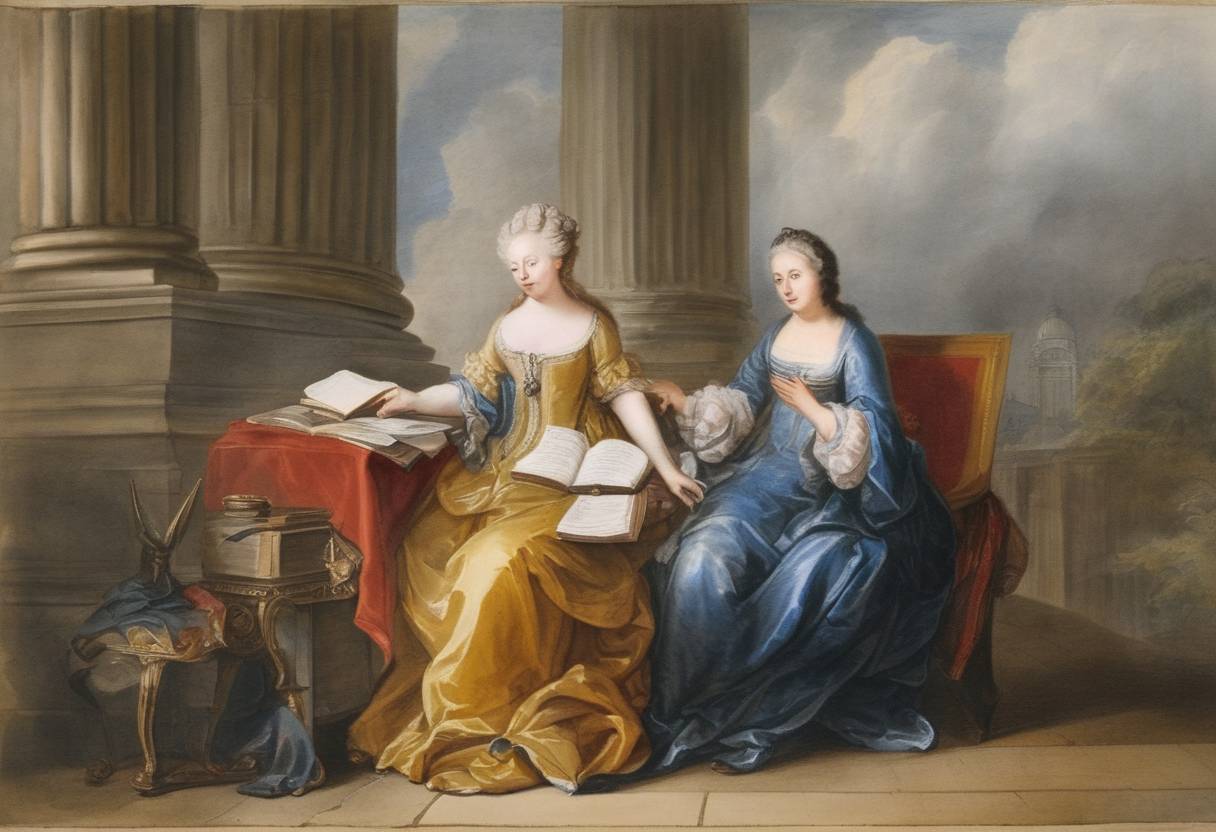
The Statute of Anne, formally titled “An Act for the Encouragement of Learning, by Vesting the Copies of Printed Books in the Authors or Purchasers of such Copies, during the Times therein mentioned,” was enacted on April 10, 1710. This landmark legislation is heralded as the first copyright law, marking a significant shift in intellectual property rights by prioritizing authors’ ownership over their literary creations.
Before the Statute of Anne, the Stationers’ Company held a monopoly on publishing in England. The right to print was a privilege granted by royal consent, with the Stationers maintaining this control since the Tudor period. This arrangement primarily protected publishers rather than authors, severely limiting the latter’s potential earnings and control over their works.
The Statute of Anne introduced several key provisions:
Author Control: For the first time, authors, rather than publishers, were recognized as the rightful owners of their works. This ownership was initially granted for a term of 14 years, renewable for another 14 years if the author was still alive at the end of the first period.
Encouragement of Learning: The law aimed to promote the dissemination of knowledge, which was considered beneficial for society as a whole. Authors’ rights served as an incentive for the creation and publication of new works.
Expiration of Rights: Once the copyright term expired, the work would enter the public domain, allowing free access to the public, a stark change from the perpetual monopolies previously enjoyed by publishers.
Remedy for Abuses: It provided mechanisms for authors to seek redressal from publishers failing to comply with the law, marking a step toward balance between creators and distributors.
The introduction of a statutory copyright law set a precedent for modern copyright principles, influencing subsequent legal frameworks in other jurisdictions. The Statute of Anne can be seen as a foundational moment in the history of intellectual property, identifying creativity as an asset and laying the groundwork for today’s international copyright protections.
By empowering authors and recognizing their rights, the law encouraged a cultural and intellectual flourishing, playing a pivotal role in the spread of enlightenment ideas through literature. The principles codified in the Statute of Anne have resonated through centuries, shaping the way societies handle the complex interplay of creativity, commerce, and the public good.
Source: en.wikipedia.org