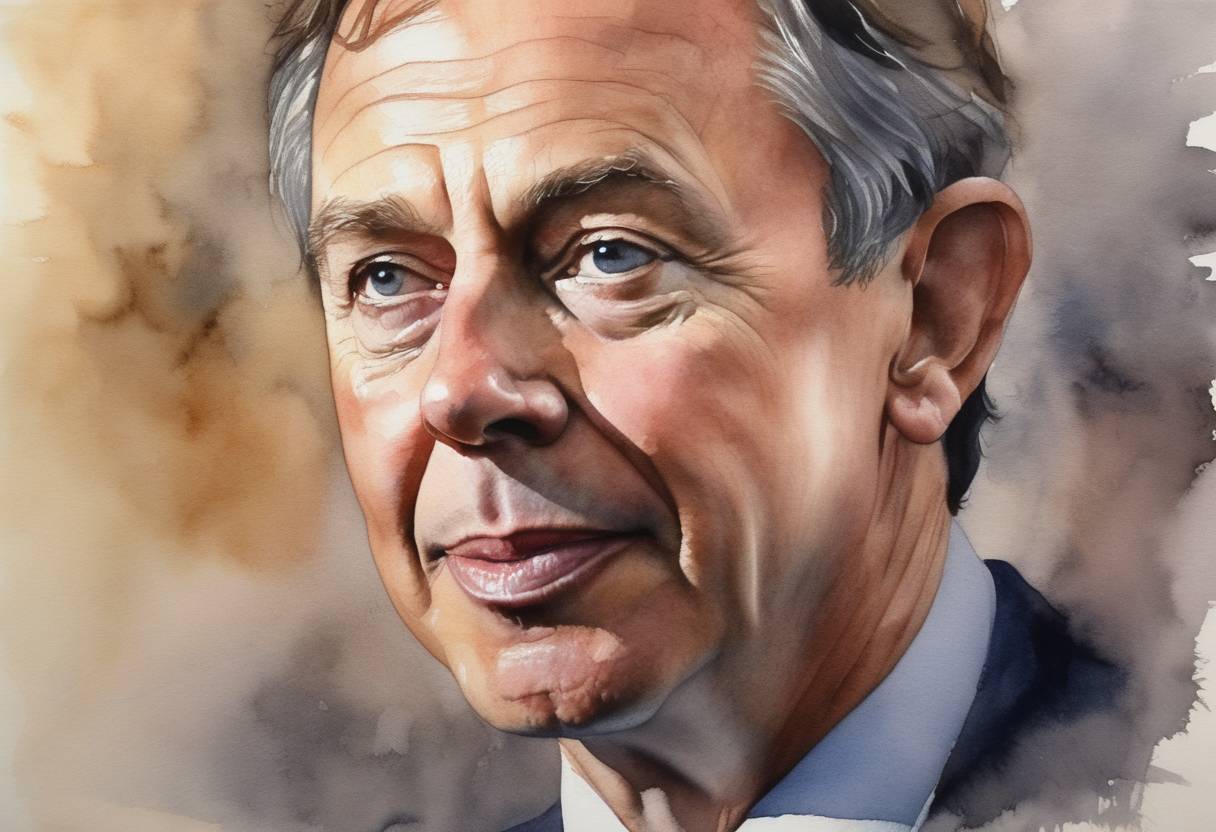
Tony Blair Elected Leader of the British Labour Party
Background
On July 21, 1994, Tony Blair was elected as the leader of the British Labour Party, marking the beginning of a transformative period for both the party and the United Kingdom’s political landscape. Blair’s ascent to leadership followed the unexpected death of his predecessor, John Smith, in May 1994. The Labour Party, long dominated by internal divisions and ideological debates, had been out of power since 1979. Blair’s leadership represented both continuity and change, with his fresh approach setting the stage for Labour’s significant political shift.
Key Aspects of Blair’s Leadership
Modernization Agenda: Blair’s leadership campaign focused on modernizing the Labour Party, aligning it more closely with the center ground of British politics.
New Labour: Blair rebranded the party under the slogan “New Labour,” which sought to combine traditional Labour values with broader appeal, minimizing the gap between the party and the electorate.
Policy Shifts: By advocating for policies that embraced market economics while maintaining a commitment to social justice, Blair’s approach appealed to a wider demographic.
Impact and Legacy
Election Victory: Blair’s leadership culminated in a resounding victory in the May 1997 general election, where Labour won a landslide majority in the House of Commons, ending 18 years of Conservative rule.
Prime Ministerial Tenure: Serving as Prime Minister from 1997 to 2007, Blair became the longest-serving Labour Prime Minister, overseeing significant changes in domestic policy, constitutional reforms, and foreign affairs.
Political Reforms: His government introduced notable reforms in education, health, and welfare, as well as devolving powers to Scotland, Wales, and Northern Ireland.
Historical Significance
Blair’s election as leader in 1994 is seen as a pivotal moment in British politics. It marked the rejuvenation of the Labour Party, aligning it more with centrist policies that appealed to a broader range of voters. This shift not only facilitated Labour’s substantial victory in 1997 but also influenced British political discourse for years to come, shaping the strategies of subsequent political leaders and parties. Blair’s leadership has had a lasting impact on the party’s identity and the UK’s political fabric.