1839 · London, United Kingdom
The Treaty of London is signed, recognizing Belgium as an independent and neutral state.
April 19, 1839
The Treaty of London was signed, recognizing Belgium as a neutral and independent state.
London, United Kingdom | European Powers
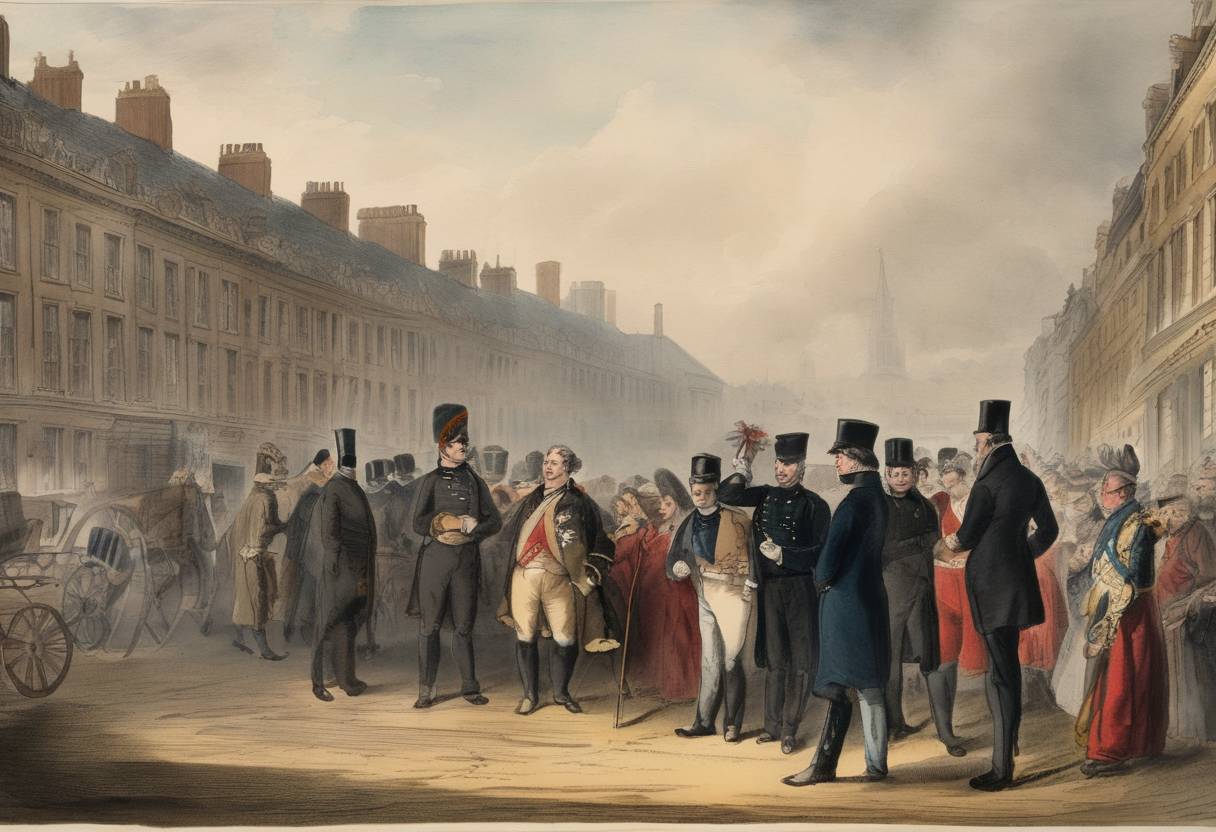
On April 19, 1839, the Treaty of London was signed, marking a significant turning point in the geopolitical landscape of Europe. This treaty is particularly notable for officially recognizing Belgium as a neutral and independent state, a status that had substantial implications for European diplomacy and security in the 19th century.
The Belgian Revolution of 1830 was the catalyst that led to the treaty. Following a series of upheavals and a general revolution against the Dutch King William I, Belgium declared independence from the United Kingdom of the Netherlands. The subsequent power vacuum and territorial disputes in Central Europe made the need for a diplomatic resolution urgent.
Belgian Independence: The treaty confirmed Belgium’s independence, formally acknowledging its sovereignty separate from the Netherlands.
Neutrality: Belgium’s status as a neutral state was established, stipulating that it would not engage in military conflicts that involved other European powers. This provision was designed to ensure peace and stability in the region by creating a neutral barrier between France, Germany, and the Netherlands.
Territorial Boundaries: The treaty clearly delineated the borders between Belgium and its neighboring countries, solidifying the territorial integrity of the nascent Belgian state.
The Treaty of London was signed by major European powers including the United Kingdom, France, Austria, Prussia, and Russia. The involvement of these powers underscored the agreement’s significance in the European balance of power.
The recognition of Belgium’s independence and neutrality had long-lasting impacts:
The Treaty of London shaped the political landscape of Europe in the 19th century, underlining the importance of neutrality agreements as tools for maintaining peace among competing powers. It served as a testament to the effectiveness of diplomacy in resolving conflict and setting the stage for the modern European state system.
Source: en.wikipedia.org