Founding of Baltimore, Maryland - July 30, 1729
1729 · Baltimore, United States
Baltimore, Maryland, is founded.
December 8, 1738
Founding of the Moravian mission settlement of Bethlehem in the Colony of Pennsylvania by followers of Nikolaus Ludwig Zinzendorf.
Bethlehem, Colony of Pennsylvania | Moravian Church
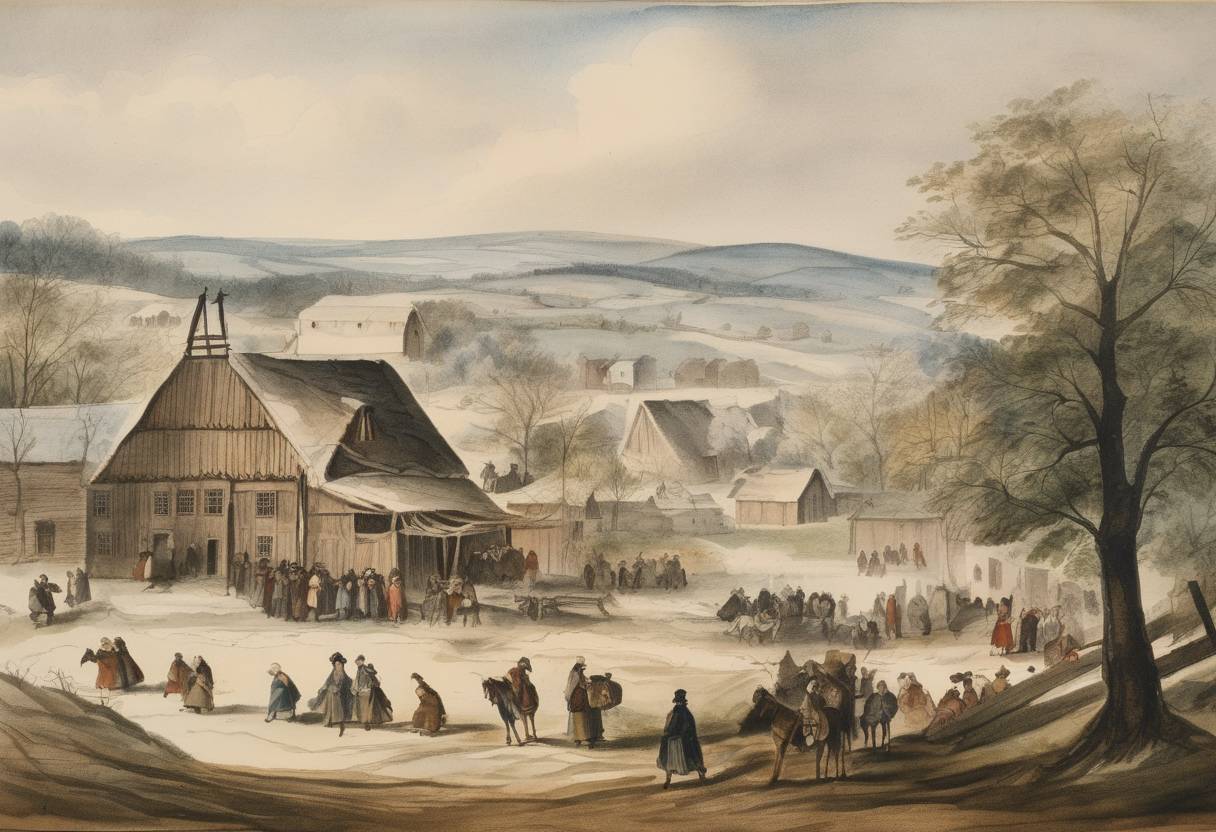
On December 8, 1738, the followers of Count Nikolaus Ludwig von Zinzendorf, a key figure in the Moravian Church and the Protestant movement, established the mission settlement of Bethlehem in the Colony of Pennsylvania. This event marked a significant moment in the religious and cultural landscape of early America.
The Moravian Church, also known as the Unitas Fratrum or Unity of the Brethren, traces its roots to the Bohemian Reformation in the 15th century. Facing persecution in Europe, many members sought refuge elsewhere. Count Zinzendorf, a nobleman from the German region of Saxony, provided them protection and support on his estate in Herrnhut. He played a pivotal role in the revival and expansion of the Moravian Church in the 18th century.
Seeking religious freedom and opportunities to spread their faith, the Moravians set their sights on the British colonies in North America. The choice of Pennsylvania was influenced by the colony’s foundation on principles of religious tolerance. The fertile land and the promise of an accepting climate for diverse beliefs made it an attractive destination.
Led by David Nitschmann and other Moravian missionaries, the group arrived in Pennsylvania and selected a site near the confluence of the Lehigh River and the Monocacy Creek. On December 8, 1738, they officially established the settlement of Bethlehem. The area was named by Zinzendorf himself during a Christmas Eve vigil in its first year, drawing inspiration from the biblical town of Bethlehem.
The settlement quickly grew into a vibrant community, characterized by shared religious and communal living principles. The Moravians in Bethlehem demonstrated remarkable skills in agriculture, craftsmanship, and trade, and they built a series of mission establishments aimed at proselytizing Native American tribes and serving European settlers.
Bethlehem represented an enduring legacy of religious tolerance and missionary zeal in early American history. The Moravian commitment to education, music, and cultural integration had long-lasting impacts on the region. Moreover, Bethlehem served as the headquarters for other mission work and church activities in the American colonies.
Throughout the 18th and 19th centuries, Bethlehem maintained its reputation as a center of Moravian culture and an example of communal living, influencing future generations and contributing to Pennsylvania’s multicultural tapestry.
In summary, the founding of Bethlehem on December 8, 1738, is a testament to the Moravians’ determination to find a haven for their faith and a platform to spread their religious beliefs, leaving indelible marks on the cultural and spiritual history of the region.