The Chartering of the University of California on March 23, 1868
1868 · Oakland, United States
The University of California, initially consisting of the College of California and the Agricultural, Mining, and Mechanical Arts College, is chartered.
August 29, 1911
Ishi, purportedly the last surviving member of the Yahi tribe, emerges from the wilderness of northern California and is discovered by a group of butchers. His arrival drew significant attention and led to a lifelong study by anthropologists.
Oroville, United States | University of California
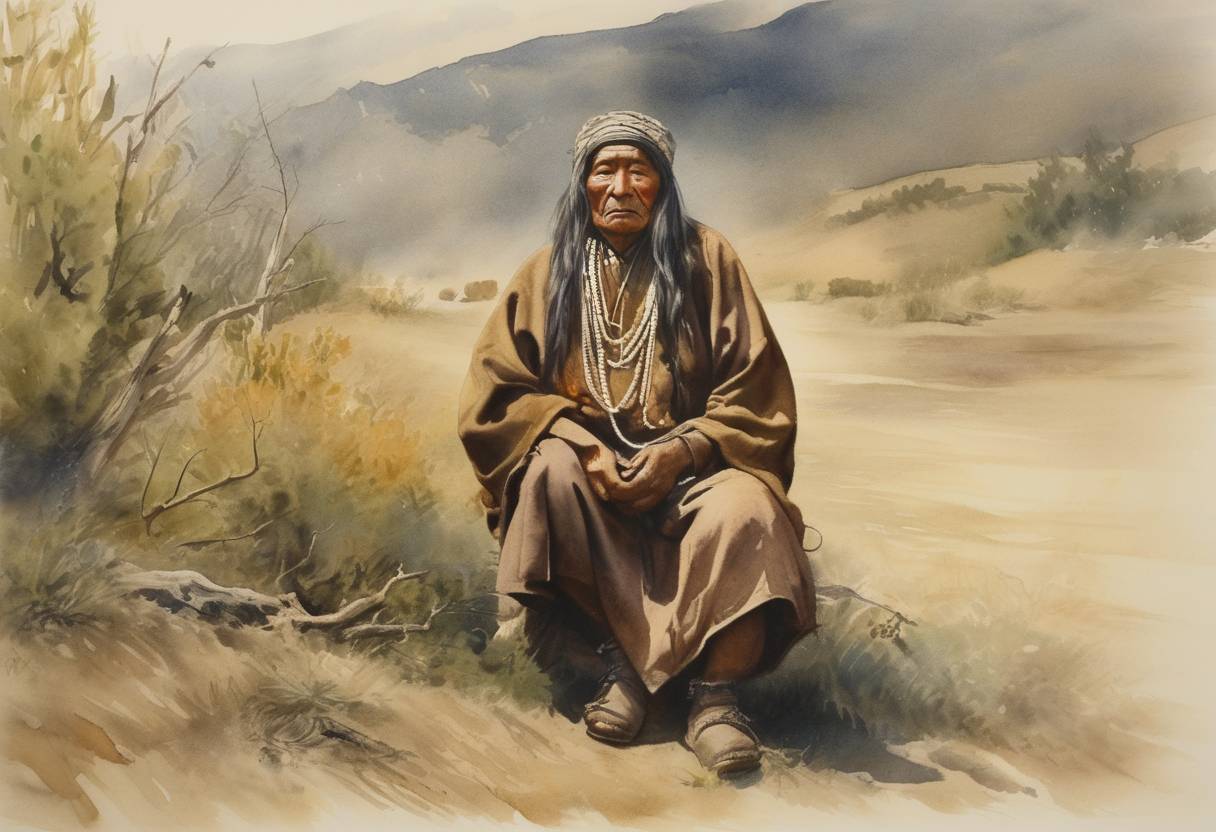
On August 29, 1911, Ishi, later known as the “last wild Indian” in America, emerged from the wilderness near Oroville in northern California. He was discovered by a group of butchers at a slaughterhouse after wandering from the hills of the Sierra Nevada. He was initially taken into custody by the local sheriff due to his unfamiliar presence and the extent of cultural barriers between him and the local populace.
Ishi was believed to be the last surviving member of the Yahi people, a subgroup of the Yana, who had been subject to extensive displacement and extermination during the California Gold Rush and subsequent periods of encroachment by settlers. This context of colonization and violence led to the drastic decline of the Yahi population and their retreat to more remote areas.
Ishi attracted significant attention from local and national press as well as academia. Anthropologists Alfred L. Kroeber and Thomas T. Waterman from the University of California were particularly interested in him. Recognizing the opportunity to learn from Ishi, they brought him to the University of California Museum of Anthropology in San Francisco.
Ishi lived in the museum, where he became an informant on his people’s language, culture, and practices. His knowledge shed light on the Yahi way of life and contributed significantly to anthropological studies of Native American cultures, which were rapidly vanishing due to increased contact with and assimilation by Euro-American society.
Ishi’s life and his interaction with anthropologists led to broader awareness of the plight of native tribes during the westward expansion of the United States. Ishi passed away in 1916 from tuberculosis, a disease common among Native Americans due to limited immunity to European diseases. His story has continued to evoke discussions on ethical considerations in anthropology, cultural preservation, and the narrative of native populations facing extinction due to colonization efforts.
The tale of Ishi remains a poignant reminder of the cultural losses sustained during this era and the manner in which remnants of these cultures can be preserved through collaborative efforts between surviving representatives and academic communities.
Source: en.wikipedia.org