The Opening of the Liverpool and Manchester Railway: September 15, 1830
1830 · Liverpool, United Kingdom
The Liverpool and Manchester Railway, the world's first inter-city railway, opened.
October 7, 1826
The first recorded chartered train passenger service began in England, operated by the Stockton and Darlington Railway.
Stockton-on-Tees, United Kingdom | Stockton and Darlington Railway
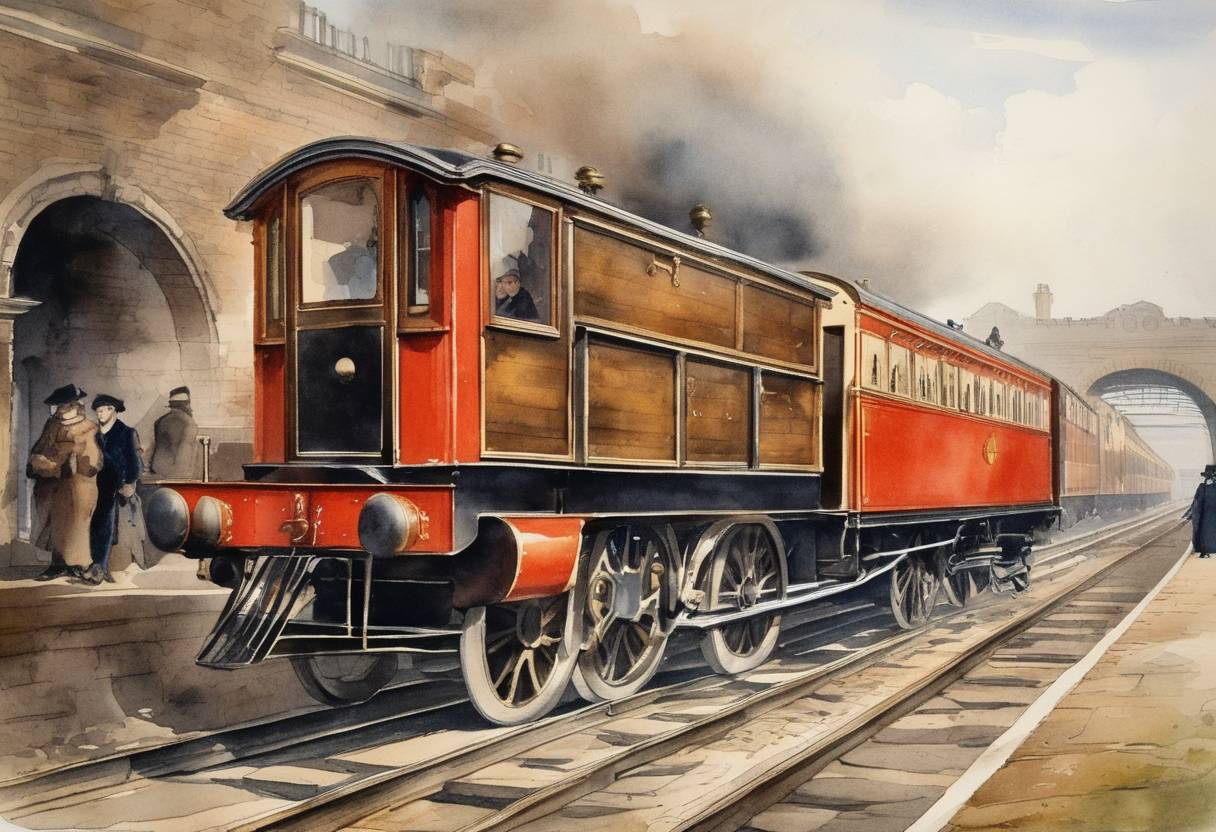
The early 19th century was a transformative period for the development of railways in Britain, spearheading the Industrial Revolution. The Stockton and Darlington Railway (S&DR), established by an Act of Parliament in 1821, aimed to connect coal mines near Shildon with the port of Stockton-on-Tees. This would facilitate the efficient transport of coal, a crucial resource fueling industrial activities.
On October 7, 1826, the S&DR marked an important milestone in the history of transportation by initiating the first recorded chartered train passenger service. Although the railway had already been in operation since September 27, 1825, primarily for freight, this was the first instance where a service was specifically arranged to carry passengers.
The chartered passenger service in 1826 exemplified a shift in railway utility beyond industrial freight. Such developments were part of broader societal changes, as railways soon revolutionized personal mobility and economic activities. This early foray into passenger transport set the stage for future expansions and innovations, eventually leading to the comprehensive passenger railway networks that became integral to modern cities and economies.
Source: www.raildeliverygroup.com