Liberia's Declaration of Independence: July 26, 1847
1847 · Monrovia, Liberia
Liberia declared its independence from the American Colonization Society, becoming the first African republic to proclaim independence.
November 23, 2005
Ellen Johnson Sirleaf is declared the winner of the Liberian presidential election, becoming Africa's first elected female head of state.
Monrovia, Liberia | National Elections Commission of Liberia
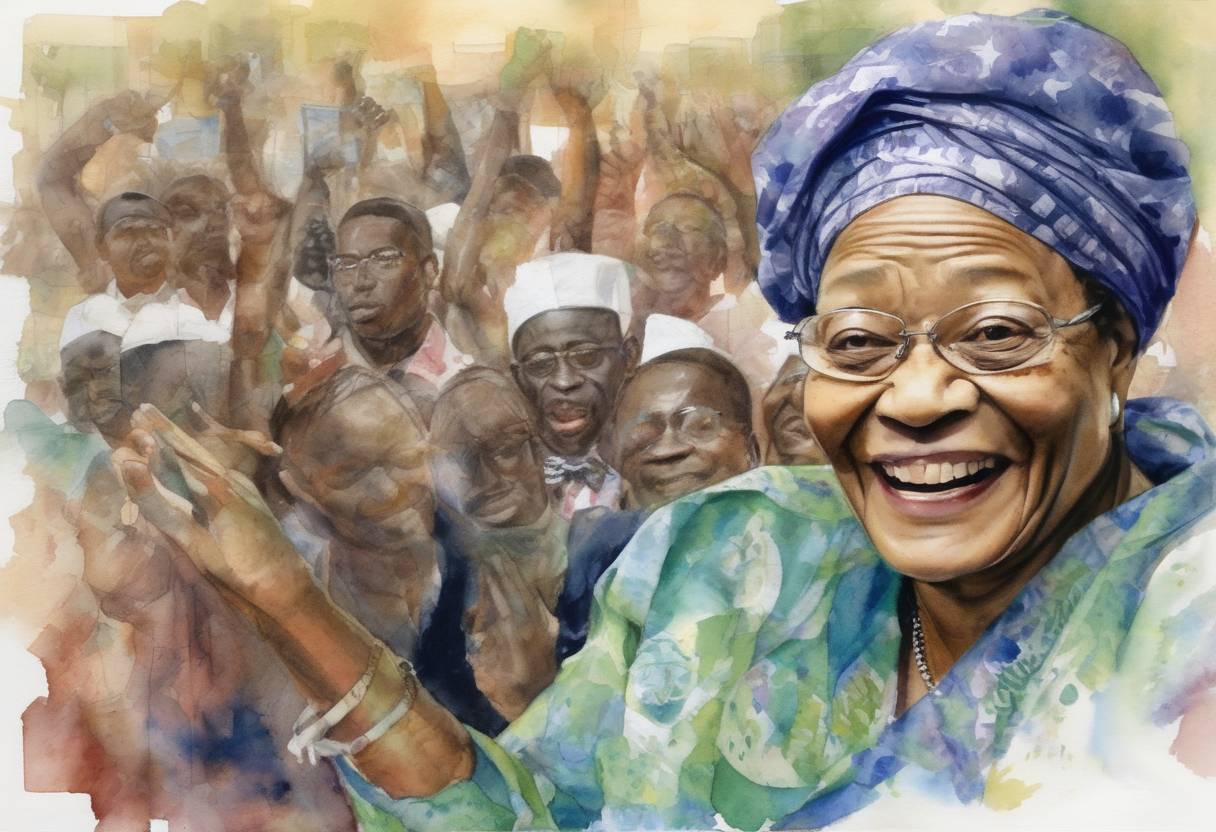
On November 23, 2005, Ellen Johnson Sirleaf was declared the winner of the Liberian presidential election, marking a historic moment as she became Africa’s first elected female head of state. This event was not only significant for Liberia but also for the entire continent, symbolizing a step forward in gender equality in African politics.
Liberia, founded by freed American and Caribbean slaves in the 19th century, had endured a long and brutal civil war from 1989 to 2003. The conflict left the country devastated, with a collapsed economy and a fractured society. The Comprehensive Peace Agreement signed in 2003 paved the way for democratic elections, aiming to restore stability and rebuild the nation.
Ellen Johnson Sirleaf, often referred to as the “Iron Lady,” was a seasoned politician and economist. She held degrees from Harvard University and had extensive experience working with international financial institutions, including the World Bank and the United Nations. Her candidacy was seen as a beacon of hope for many Liberians who desired change and effective governance.
The 2005 election was a pivotal moment for Liberia, representing the first democratic election since the end of the civil war. It was conducted under the supervision of the United Nations Mission in Liberia (UNMIL), which ensured a relatively peaceful and transparent electoral process.
Ellen Johnson Sirleaf ran against George Weah, a former international football star and a popular figure among the youth. The election was highly competitive, with Sirleaf winning the runoff election with approximately 59.4% of the vote.
Ellen Johnson Sirleaf’s victory was groundbreaking for several reasons:
Gender Milestone: As Africa’s first elected female head of state, Sirleaf’s election was a significant milestone in the fight for gender equality on the continent. Her leadership inspired women across Africa and the world to pursue political and leadership roles.
Post-Conflict Reconstruction: Sirleaf’s presidency focused on rebuilding Liberia’s shattered infrastructure, reviving the economy, and fostering national reconciliation. Her administration worked to restore electricity and water services, improve education and healthcare, and attract foreign investment.
International Relations: Sirleaf’s leadership helped restore Liberia’s standing in the international community. Her government secured debt relief and international aid, which were crucial for the country’s recovery efforts.
Nobel Peace Prize: In 2011, Ellen Johnson Sirleaf was awarded the Nobel Peace Prize, along with Leymah Gbowee and Tawakkol Karman, for their non-violent struggle for the safety of women and for women’s rights to full participation in peace-building work.
Ellen Johnson Sirleaf served two terms as president, from 2006 to 2018. Her tenure was marked by significant progress in stabilizing Liberia, though challenges remained, including corruption and poverty. Her leadership set a precedent for female political participation in Africa and highlighted the importance of inclusive governance in post-conflict societies.
In summary, Ellen Johnson Sirleaf’s election as Liberia’s president on November 23, 2005, was a landmark event that not only transformed Liberia but also had a lasting impact on the political landscape of Africa. Her presidency demonstrated the potential for women to lead and effect change in the highest offices of government.
Source: en.wikipedia.org