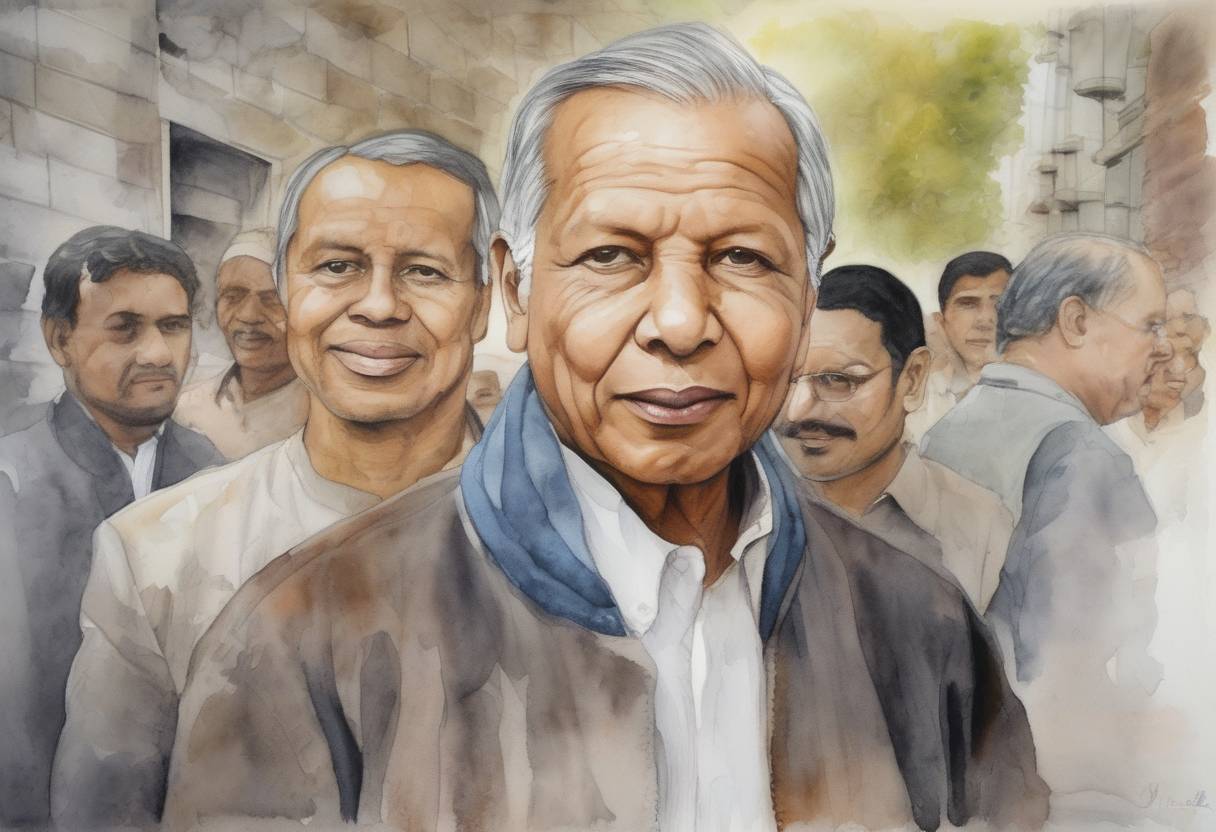
Nobel Peace Prize Awarded to Muhammad Yunus and Grameen Bank
On October 12, 2006, the Nobel Peace Prize was awarded to Muhammad Yunus and the Grameen Bank for their pioneering efforts in microcredit, which significantly contributed to economic and social development from the grassroots level. This recognition highlighted the transformative power of microfinance in alleviating poverty and empowering marginalized communities.
Background
Muhammad Yunus
Muhammad Yunus, an economist from Bangladesh, is often referred to as the “banker to the poor.” He founded the Grameen Bank in 1983, driven by the belief that access to financial services is a fundamental human right. Yunus’s innovative approach focused on providing small loans to impoverished individuals, particularly women, who lacked collateral and were traditionally excluded from conventional banking systems.
Grameen Bank
The Grameen Bank, meaning “village bank” in Bengali, was established with the mission to provide microloans to the rural poor in Bangladesh. The bank’s model was based on trust and solidarity, offering loans without requiring collateral. Borrowers were organized into small groups, fostering mutual support and accountability.
Key Achievements
- Empowerment of Women: A significant portion of Grameen Bank’s borrowers were women, who used the loans to start small businesses, improve their families’ living conditions, and gain financial independence.
- Poverty Alleviation: The microcredit model demonstrated that even small amounts of capital could have a profound impact on reducing poverty and improving living standards.
- Global Influence: The success of the Grameen Bank inspired similar microfinance initiatives worldwide, influencing development policies and financial inclusion strategies.
Broader Significance
The awarding of the Nobel Peace Prize to Yunus and the Grameen Bank underscored the importance of economic empowerment as a tool for peace and development. It highlighted how innovative financial solutions could address social challenges and foster sustainable development.
Aftermath and Legacy
Following the Nobel recognition, microfinance gained increased attention and support from international organizations, governments, and the private sector. The principles of microcredit have been adapted and expanded globally, contributing to the broader financial inclusion movement.
Yunus’s work continues to inspire efforts towards creating inclusive financial systems that prioritize the needs of the poor and marginalized, reinforcing the idea that economic development can be a powerful force for peace and social progress.