The First Human Heart Transplant in the United States: December 6, 1967
1967 · Brooklyn, United States
Adrian Kantrowitz performed the first human heart transplant in the United States.
December 3, 1967
The first successful human heart transplant was performed by Dr. Christiaan Barnard in Cape Town.
Cape Town, South Africa | Groote Schuur Hospital
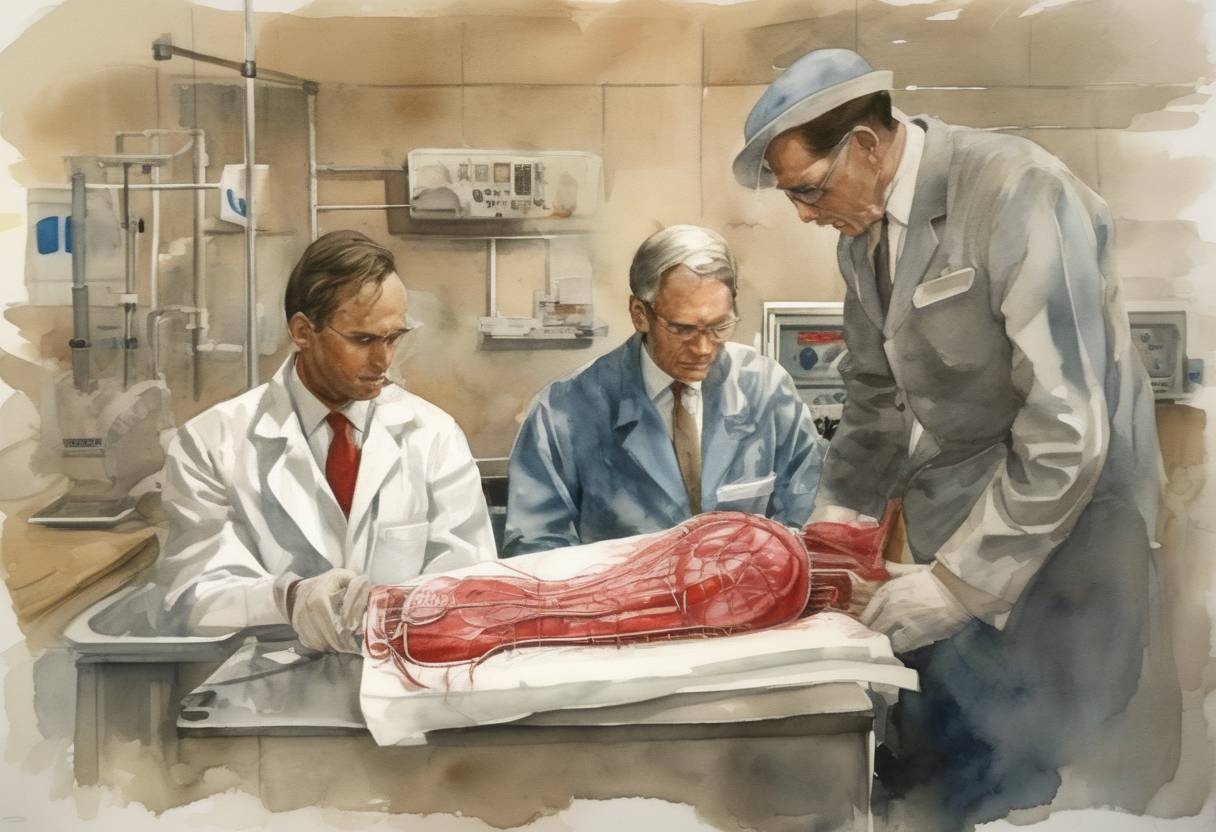
On December 3, 1967, a groundbreaking medical event took place at Groote Schuur Hospital in Cape Town, South Africa. Dr. Christiaan Barnard, a South African cardiac surgeon, led a team of 30 medical professionals in performing the world’s first successful human heart transplant. This historic operation marked a significant milestone in medical science and surgery.
Before this landmark surgery, the concept of heart transplantation had been explored and experimented with in animals. Advances in surgical techniques and immunosuppressive drugs during the mid-20th century laid the groundwork for the possibility of human heart transplants. Dr. Barnard, who had trained in the United States and was inspired by the work of American surgeons, was determined to push the boundaries of cardiac surgery.
Dr. Barnard’s pioneering surgery opened new avenues in the field of organ transplantation. It sparked a surge of interest and research into heart transplants worldwide, leading to improvements in surgical techniques, post-operative care, and immunosuppressive therapies. Although the initial survival rates were low, advancements over the subsequent decades have made heart transplants a routine and life-saving procedure for many patients with end-stage heart disease.
Dr. Christiaan Barnard’s work not only transformed cardiac surgery but also raised ethical and philosophical questions about organ donation and the definition of death. His achievement is celebrated as a testament to human ingenuity and the relentless pursuit of medical progress.
The first successful human heart transplant remains a pivotal moment in medical history, symbolizing hope and the potential for scientific breakthroughs to change lives.
Source: en.wikipedia.org