The Euro Becomes Sole Legal Tender in the Eurozone - February 28, 2002
2002 · Brussels, Belgium
The Euro currency becomes the sole legal tender in the 12 Eurozone countries, replacing national currencies completely.
January 4, 1999
The euro was introduced as a currency in 11 European Union countries.
Brussels, Belgium | European Union
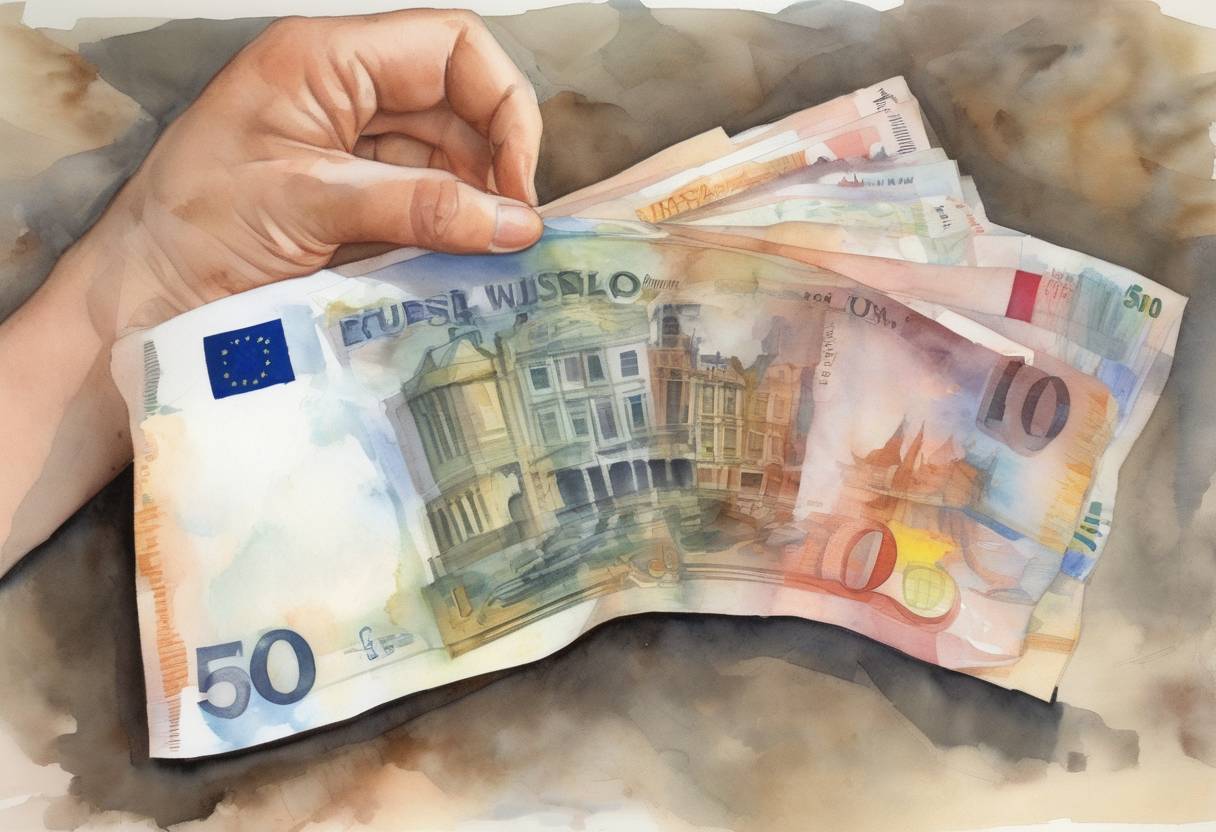
On January 4, 1999, the euro was officially introduced as the currency for 11 member countries of the European Union (EU). This marked a significant milestone in European economic integration, as it was the first time a group of sovereign nations voluntarily adopted a single currency.
The idea of a unified European currency was rooted in the broader vision of European integration, which gained momentum after World War II. The aim was to foster economic stability and peace among European nations. The Maastricht Treaty, signed in 1992, laid the groundwork for the creation of the euro, establishing the criteria for member states to join the Economic and Monetary Union (EMU).
The euro was introduced in a non-physical form on January 1, 1999, for electronic transactions and accounting purposes. However, January 4, 1999, marked the first day of trading for the euro in financial markets. The 11 countries that initially adopted the euro were:
These countries met the convergence criteria set by the Maastricht Treaty, which included measures of inflation, government finance, exchange rate stability, and interest rates.
The introduction of the euro was a monumental step in the process of European integration. It aimed to facilitate trade and investment across member states by eliminating exchange rate fluctuations and reducing transaction costs. The euro also sought to enhance the EU’s role in the global economy by providing a stable and strong currency.
The euro’s introduction was not without challenges. Differences in economic policies and conditions among member states sometimes led to tensions, particularly during the European debt crisis in the late 2000s. However, the euro has remained a central element of the EU’s economic framework.
The introduction of the euro on January 4, 1999, was a pivotal event in the history of the European Union, symbolizing a commitment to economic unity and cooperation. It has since played a crucial role in shaping the economic landscape of Europe and continues to be a key factor in the EU’s global economic strategy.
Source: www.britannica.com