Mass Protests in Belarus Following the 2020 Presidential Election
2020 · Minsk, Belarus
Mass protests erupted in Belarus following the presidential election, which was widely regarded as rigged in favor of incumbent Alexander Lukashenko.
August 9, 2020
The presidential election in Belarus took place, leading to widespread protests against the alleged electoral fraud by President Alexander Lukashenko.
Minsk, Belarus | Belarusian Government
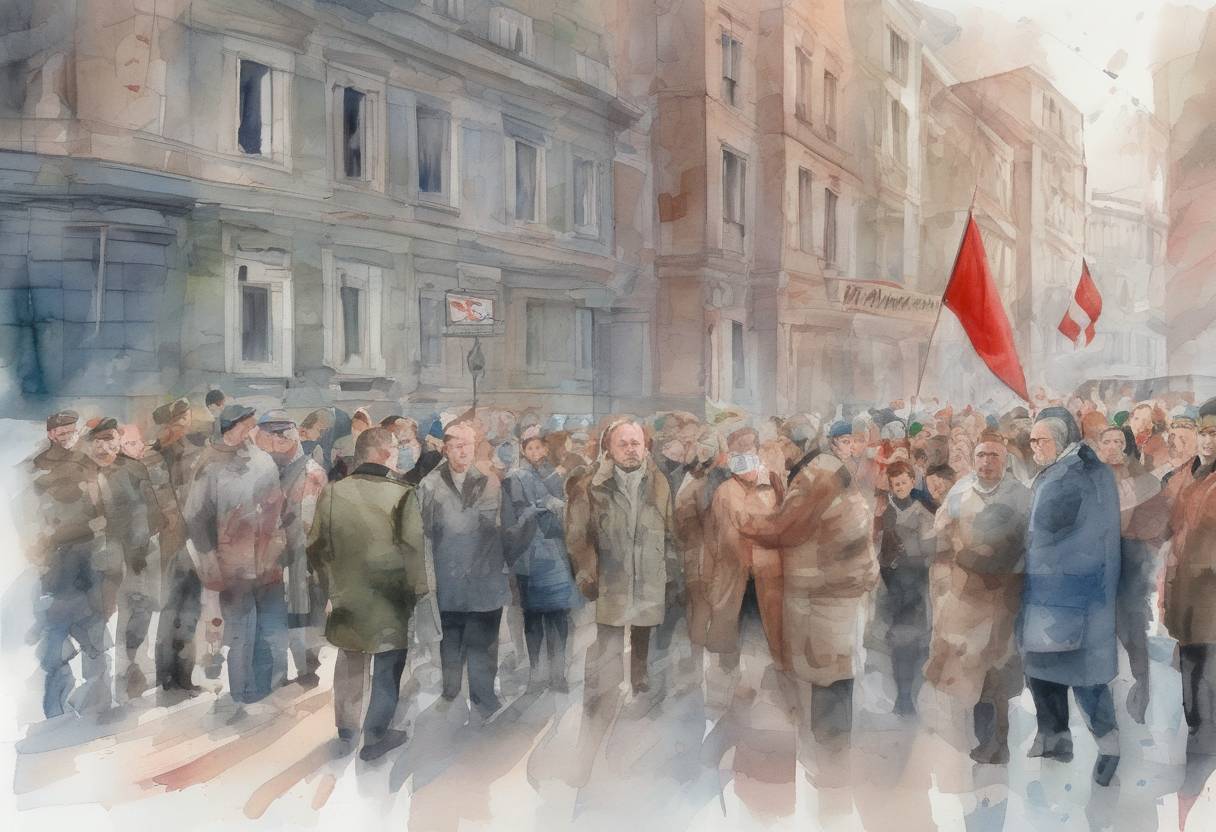
On August 9, 2020, Belarus held a presidential election that became a pivotal moment in the country’s history due to widespread allegations of electoral fraud. The election saw the long-time incumbent, President Alexander Lukashenko, claim victory amidst significant controversy and public outcry.
Alexander Lukashenko’s Rule: Lukashenko had been in power since 1994, often referred to as “Europe’s last dictator” due to his authoritarian style of governance. His tenure was marked by the suppression of political opposition, control over media, and allegations of human rights abuses.
Opposition Candidates: The 2020 election was notable for the emergence of a strong opposition, led by Svetlana Tikhanovskaya. Originally a political outsider, Tikhanovskaya entered the race after her husband, a prominent opposition blogger, was jailed and barred from running.
Public Discontent: Leading up to the election, there was growing dissatisfaction among Belarusians over economic stagnation, the government’s handling of the COVID-19 pandemic, and the lack of political freedoms.
Official Results: The Belarusian Central Election Commission announced that Lukashenko won with approximately 80% of the vote, while Tikhanovskaya received about 10%. These results were met with skepticism both domestically and internationally.
Allegations of Fraud: There were widespread reports of electoral fraud, including ballot stuffing, manipulation of vote counts, and intimidation of voters and election observers.
Immediate Reaction: Following the announcement of the results, mass protests erupted across Belarus. Tens of thousands of people took to the streets in the capital, Minsk, and other cities, demanding Lukashenko’s resignation and a fair election.
Government Response: The government responded with a severe crackdown. Security forces used tear gas, rubber bullets, and stun grenades against protesters. Thousands were arrested, and there were numerous reports of police brutality.
Svetlana Tikhanovskaya’s Exile: Fearing for her safety, Tikhanovskaya fled to Lithuania shortly after the election. From there, she continued to advocate for democratic reforms and called for international support.
Continued Protests: The protests continued for months, marking the largest and most sustained challenge to Lukashenko’s rule. Demonstrations were characterized by their peaceful nature and the participation of diverse segments of society.
International Condemnation: The European Union, the United States, and other Western countries condemned the election as neither free nor fair. Sanctions were imposed on Belarusian officials deemed responsible for the electoral fraud and subsequent violence.
Long-term Impact: The events of August 9, 2020, have had a lasting impact on Belarusian society and politics. They galvanized a movement for democratic change and highlighted the resilience of civil society in the face of authoritarianism.
In summary, the 2020 presidential election in Belarus was a significant event that exposed deep-seated issues within the country’s political system and sparked a widespread movement for change. The protests and international response underscored the global demand for democratic governance and human rights.
Source: www.bbc.com