O.J. Simpson Granted Parole: July 20, 2017
2017 · Carson City, United States
O.J. Simpson is granted parole after serving nine years of a 33-year sentence for armed robbery and kidnapping in Nevada.
September 25, 2018
Bill Cosby was sentenced to three to ten years in prison for sexual assault, marking a significant moment in the #MeToo movement.
Norristown, United States | Montgomery County Court
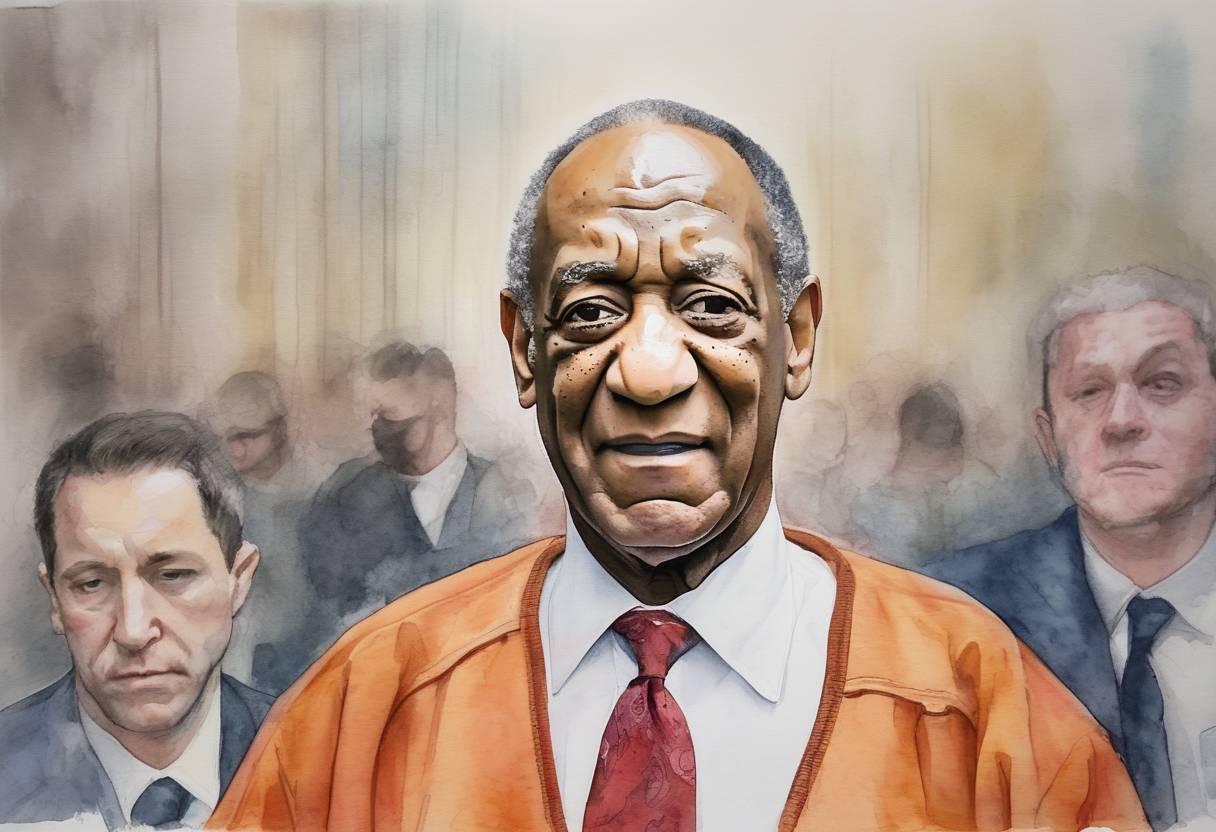
On September 25, 2018, Bill Cosby, once revered as “America’s Dad” for his role on the television show The Cosby Show, was sentenced to three to ten years in state prison for sexual assault. This sentencing marked a pivotal moment in the #MeToo movement, which seeks to address and combat sexual harassment and assault.
Bill Cosby faced numerous allegations of sexual misconduct spanning several decades. The case that led to his conviction involved Andrea Constand, a former Temple University employee. Constand accused Cosby of drugging and sexually assaulting her at his home in Pennsylvania in 2004. Cosby was initially tried in 2017, but the jury was deadlocked, resulting in a mistrial. A retrial in 2018 led to his conviction on three counts of aggravated indecent assault.
During the sentencing hearing, Judge Steven T. O’Neill declared Cosby a “sexually violent predator,” a designation that required him to undergo counseling for life and register as a sex offender. The judge’s decision to sentence Cosby to three to ten years in a state prison underscored the seriousness of the crime and the impact on the victim.
Cosby’s conviction and sentencing were significant for several reasons:
Accountability: The case was one of the first high-profile convictions in the wake of the #MeToo movement, which gained momentum in 2017. It demonstrated that even powerful and influential figures could be held accountable for their actions.
Empowerment of Survivors: The outcome of the trial was seen as a victory for survivors of sexual assault, encouraging more individuals to come forward with their stories.
Cultural Shift: The case contributed to a broader cultural shift in how society views and addresses sexual misconduct, emphasizing the importance of believing and supporting victims.
Cosby’s conviction and subsequent imprisonment were met with mixed reactions. While many hailed it as a step forward for justice and accountability, others debated the implications for due process and the potential for public opinion to influence legal outcomes.
In June 2021, the Pennsylvania Supreme Court overturned Cosby’s conviction, citing a previous agreement with a former prosecutor that should have precluded him from being charged. This decision sparked further discussions about legal technicalities and justice for survivors.
Bill Cosby’s sentencing on September 25, 2018, remains a landmark event in the ongoing struggle against sexual violence and misconduct. It highlighted the power of the #MeToo movement in bringing about change and holding perpetrators accountable, while also illustrating the complexities of the legal system in dealing with such cases.
Source: www.bbc.com