New Jersey Ratifies the Bill of Rights: November 20, 1789
1789 · Trenton, United States
New Jersey becomes the first U.S. state to ratify the Bill of Rights.
December 18, 1787
New Jersey becomes the third state to ratify the United States Constitution.
Trenton, United States | United States
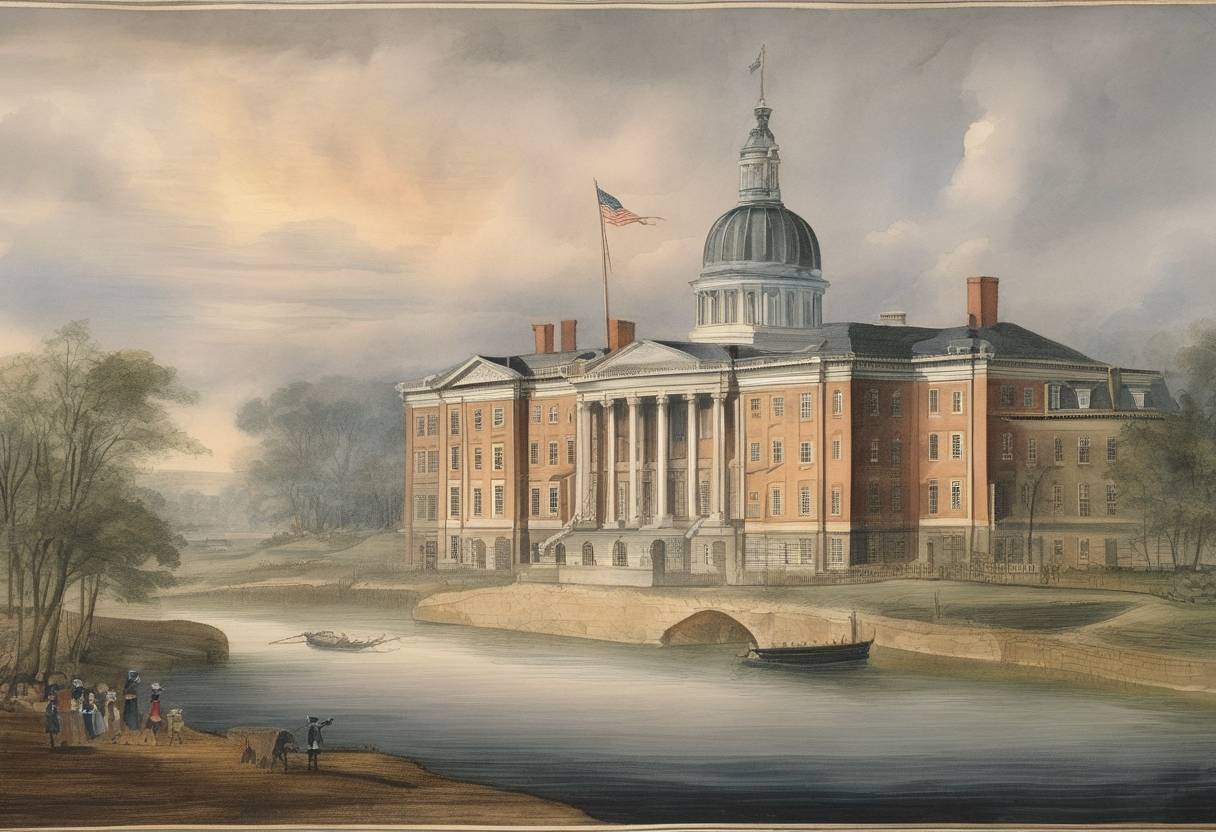
On December 18, 1787, New Jersey became the third state to ratify the United States Constitution, marking a significant step in the establishment of the new federal government. This event was part of a broader process where the original thirteen states debated and decided on the adoption of the Constitution, which had been drafted earlier that year during the Constitutional Convention in Philadelphia.
The Constitutional Convention: Held from May to September 1787, the Convention was convened to address the weaknesses of the Articles of Confederation, the United States’ first governing document. The resulting Constitution proposed a stronger federal government with separate executive, legislative, and judicial branches.
The Need for Ratification: For the Constitution to take effect, it required ratification by nine of the thirteen states. This process involved intense debates across the states, with Federalists advocating for the new Constitution and Anti-Federalists expressing concerns over the potential for centralized power and the lack of a Bill of Rights.
Unanimous Decision: New Jersey’s ratification was notable for its unanimity. The state’s convention, held in Trenton, consisted of delegates who were largely supportive of the new Constitution. They recognized the benefits of a stronger federal government, particularly in terms of trade and economic stability, which were crucial for a small state like New Jersey.
Economic Considerations: New Jersey’s economy was significantly impacted by interstate trade barriers under the Articles of Confederation. The Constitution promised a unified economic policy and regulation of interstate commerce, which appealed to New Jersey’s interests.
Momentum for Ratification: New Jersey’s quick and unanimous ratification helped build momentum for the Constitution’s acceptance. It followed Delaware and Pennsylvania, which ratified on December 7 and December 12, respectively.
Influence on Other States: New Jersey’s decision influenced other states in the region, demonstrating a growing consensus for a stronger federal government. This momentum was crucial as the ratification debates continued in larger and more divided states like New York and Virginia.
Path to the Bill of Rights: Although the Constitution was ratified without a Bill of Rights, the debates and concerns raised during the ratification process led to the adoption of the first ten amendments in 1791, ensuring protections for individual liberties.
New Jersey’s ratification of the Constitution was a pivotal moment in American history, contributing to the establishment of the United States’ foundational legal framework and setting the stage for the country’s future growth and governance.
Source: en.wikipedia.org