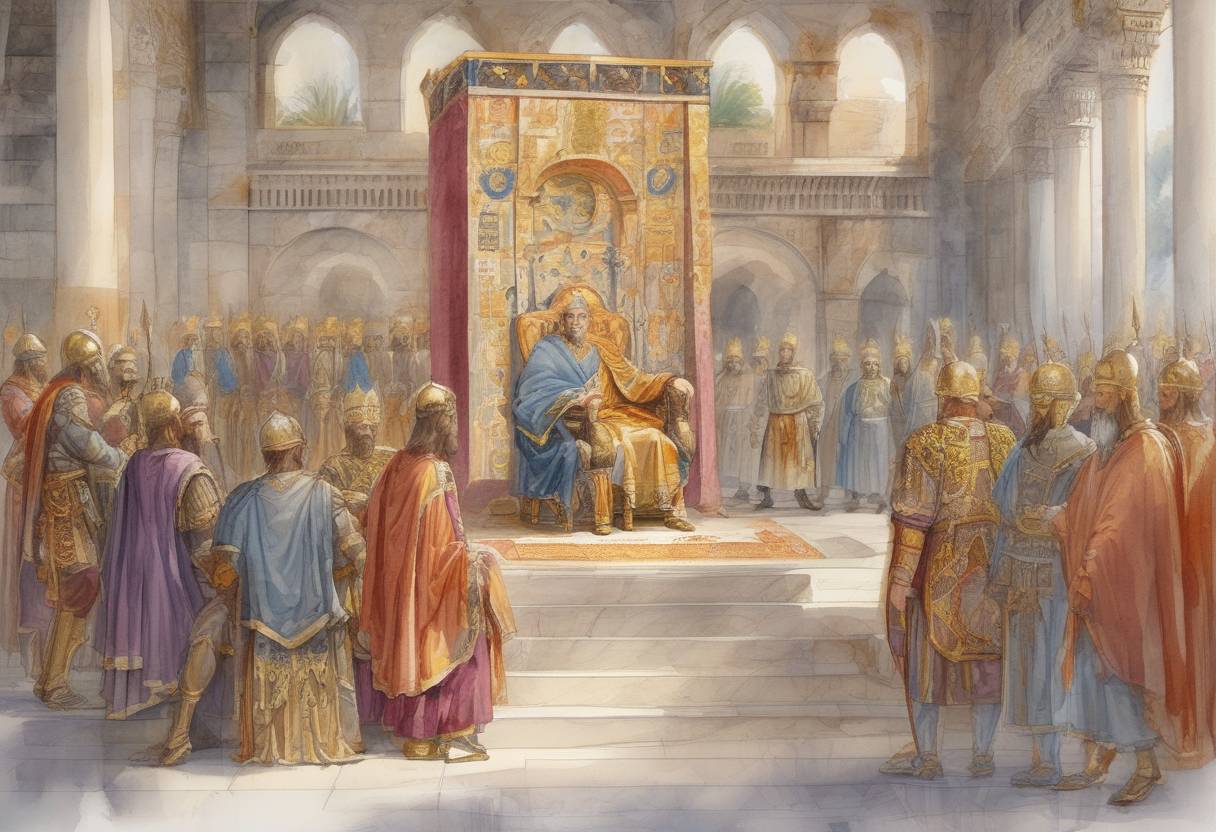
The Resignation of Theodosius III and the Rise of the Isaurian Dynasty
On March 25, 717, Theodosius III, the Byzantine Emperor, formally resigned the throne, paving the way for Leo III to ascend as emperor. This event marked the beginning of the Isaurian dynasty, a significant period in Byzantine history characterized by military reforms and religious controversies.
Background
Theodosius III came to power in 715 during a time of considerable instability within the Byzantine Empire. His rise was largely due to the revolt of the Byzantine fleet against Emperor Anastasius II. Despite his initial reluctance, Theodosius was proclaimed emperor by the rebellious forces. However, his reign was short-lived and marked by challenges, including external threats from the Umayyad Caliphate and internal dissent.
The Ascension of Leo III
Leo III, originally known as Konon, was a capable military leader with a strong background in administration and strategy. He was of Syrian origin and had served as the strategos (military governor) of the Anatolic Theme, one of the empire’s key military districts. His reputation and military acumen made him a popular choice among those dissatisfied with Theodosius III’s rule.
In 717, Leo III capitalized on the widespread discontent and led a successful coup against Theodosius III. Recognizing the futility of resistance and perhaps seeking to avoid bloodshed, Theodosius chose to abdicate peacefully. He subsequently retired to a monastery, a common practice for deposed Byzantine emperors.
Significance of the Isaurian Dynasty
Leo III’s ascension marked the beginning of the Isaurian dynasty, which would rule the Byzantine Empire until 802. This period is notable for several key developments:
Military Reforms: Leo III implemented significant military reforms that strengthened the empire’s defenses, particularly against the ongoing threat from the Umayyad Caliphate. His strategic acumen was demonstrated during the successful defense of Constantinople during the Second Arab Siege (717-718).
Iconoclasm: One of the most controversial aspects of the Isaurian dynasty was the policy of iconoclasm, initiated by Leo III. This religious movement sought to prohibit the veneration of icons, leading to significant theological and political conflicts within the empire.
Administrative Reforms: The Isaurian emperors, particularly Leo III and his son Constantine V, undertook administrative reforms that improved the efficiency and stability of the Byzantine government.
Conclusion
The resignation of Theodosius III and the rise of Leo III on March 25, 717, marked a pivotal shift in Byzantine history. The Isaurian dynasty’s influence would shape the empire’s military, religious, and administrative landscape for decades, leaving a lasting legacy that would be felt long after its decline.