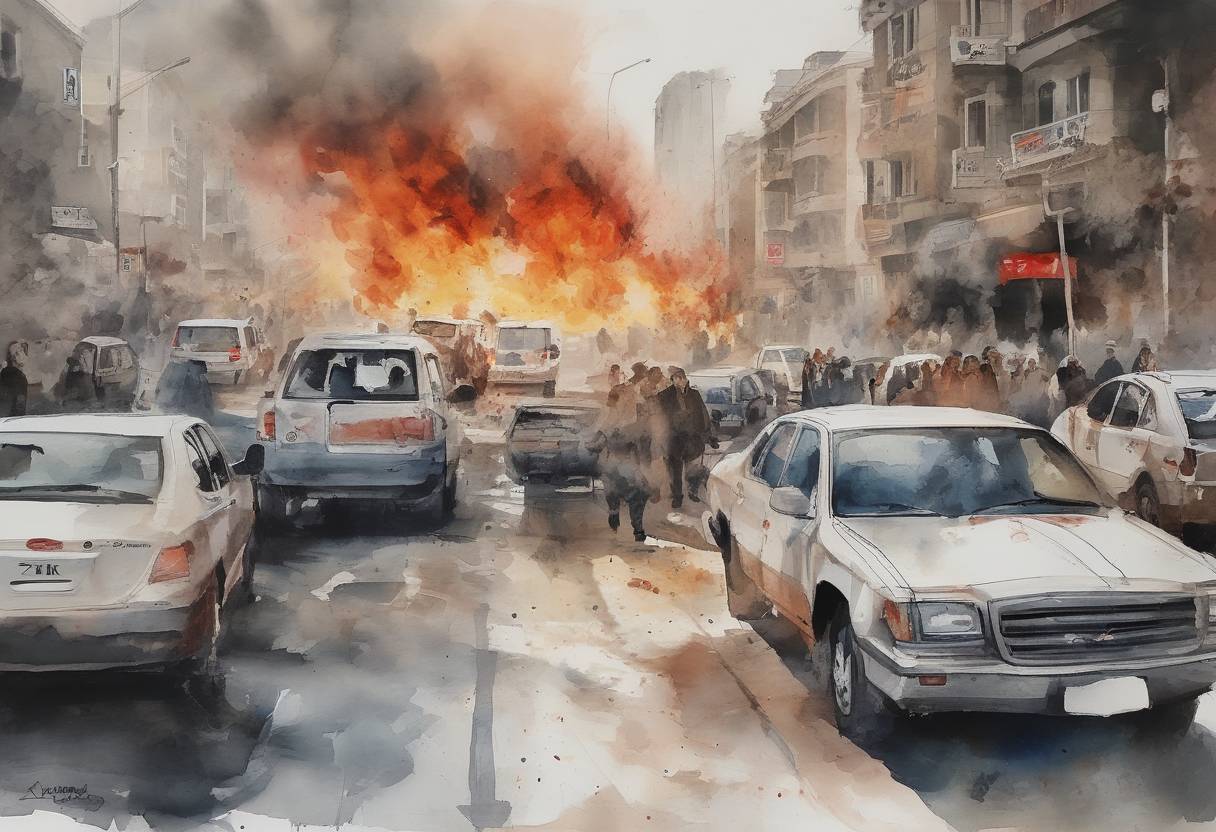
Terrorist Attack in Ankara, Turkey - March 13, 2016
On March 13, 2016, a devastating terrorist attack occurred in Ankara, the capital city of Turkey. The attack took place in the Kızılay district, a bustling area known for its commercial and transportation hubs. A car bomb exploded, resulting in the tragic loss of 37 lives and injuring over 120 individuals. This attack was one of the deadliest in a series of violent incidents that Turkey faced during that period.
Context and Background
The attack occurred amidst a backdrop of heightened tensions and violence in Turkey. The country was grappling with multiple security challenges, including the ongoing conflict with Kurdish militant groups and the spillover of violence from the Syrian civil war. The Kızılay district, being a central and crowded area, was particularly vulnerable to such attacks.
The Attack
- Date and Time: March 13, 2016, in the evening.
- Location: Kızılay district, Ankara, Turkey.
- Method: A car bomb was detonated near a bus stop, causing widespread destruction and chaos.
Responsibility
The Kurdistan Freedom Hawks (TAK), a militant group with links to the Kurdistan Workers’ Party (PKK), claimed responsibility for the attack. TAK has been known for its violent tactics and has carried out several attacks in Turkey, often targeting civilian areas to maximize casualties and impact.
Aftermath and Consequences
- Immediate Response: Emergency services rushed to the scene to assist the victims and secure the area. Hospitals in Ankara were overwhelmed with the injured, and a state of heightened alert was declared.
- Government Reaction: The Turkish government condemned the attack and vowed to intensify its fight against terrorism. Security measures were increased across the country, and operations against Kurdish militant groups were intensified.
- Public Impact: The attack instilled fear and anger among the Turkish population, leading to widespread condemnation of terrorism. It also highlighted the ongoing security challenges faced by Turkey at the time.
Broader Historical Significance
This attack was part of a series of violent incidents that underscored the volatile security situation in Turkey during the mid-2010s. It highlighted the complex interplay of regional conflicts, domestic insurgencies, and the challenges of maintaining security in urban centers. The incident also strained Turkey’s internal politics and its relations with neighboring countries, as it sought to address both domestic and cross-border threats.
The March 13, 2016, attack remains a somber reminder of the impact of terrorism on civilian populations and the ongoing struggle for peace and stability in the region.