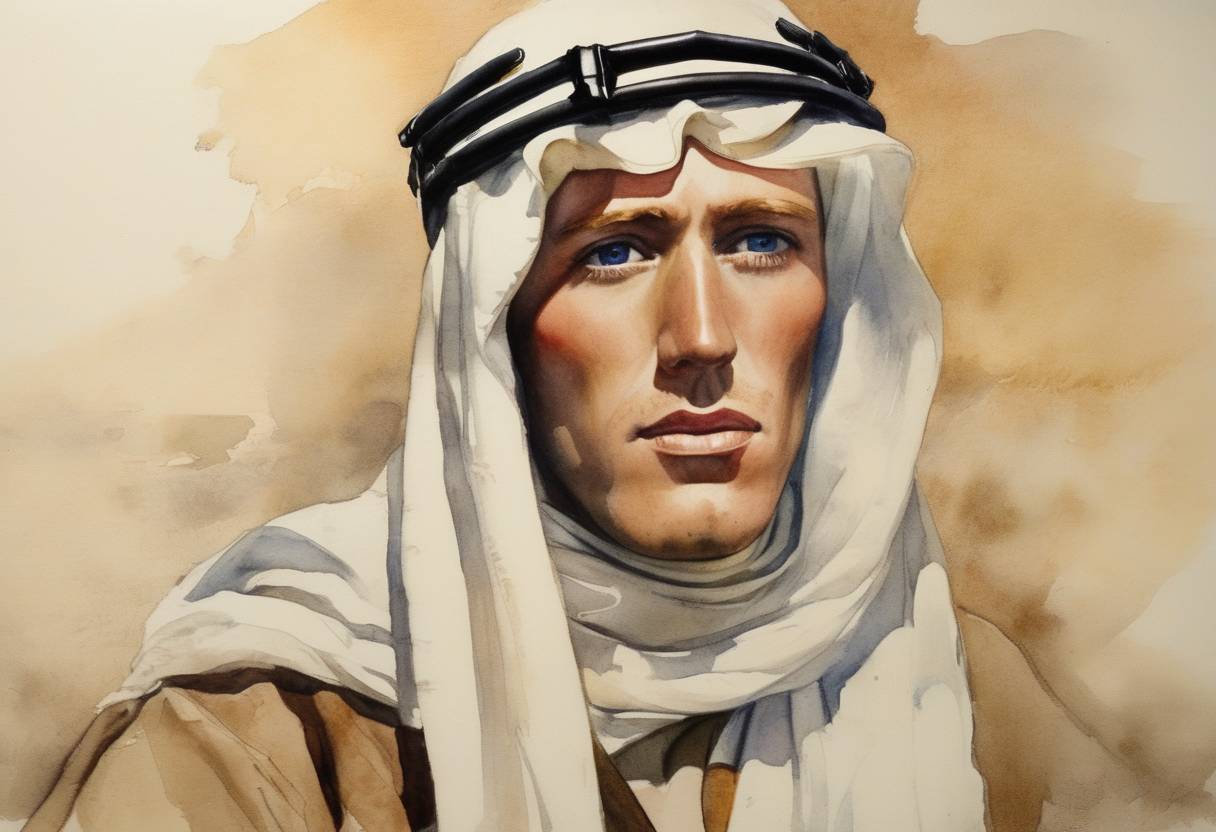
T.E. Lawrence: The Passing of a Legend
On May 19, 1935, Thomas Edward Lawrence, famously known as Lawrence of Arabia, succumbed to injuries sustained in a motorcycle accident in Dorset, England. His death marked the end of a remarkable life that had been steeped in adventure, military strategy, and literary accomplishment.
Background
T.E. Lawrence was born on August 16, 1888, in Tremadog, Wales. He rose to prominence during World War I due to his role in the Arab Revolt against the Ottoman Empire. His deep understanding of Arab culture and language, combined with his strategic acumen, made him a key figure in the British military’s efforts in the Middle East.
The Accident
On May 13, 1935, Lawrence was riding his Brough Superior SS100 motorcycle near his home in Dorset. While navigating a narrow road, he swerved to avoid two boys on bicycles, lost control, and was thrown from the motorcycle. He suffered severe head injuries and was taken to Bovington Camp Military Hospital, where he remained in a coma for six days before passing away on May 19.
Aftermath and Legacy
Lawrence’s death was met with widespread mourning. His funeral was attended by notable figures, including Winston Churchill. Lawrence’s life and exploits had already been immortalized in his own writings, such as “Seven Pillars of Wisdom,” and his legacy continued to grow posthumously.
Historical Significance
- Military Influence: Lawrence’s guerrilla warfare tactics and his role in the Arab Revolt had a lasting impact on military strategy and Middle Eastern geopolitics.
- Cultural Icon: His life inspired numerous books, films, and academic studies, most famously the 1962 film “Lawrence of Arabia,” which further cemented his status as a cultural icon.
- Literary Contributions: Beyond his military achievements, Lawrence was a prolific writer, and his works continue to be studied for their insights into the complexities of war and leadership.
Lawrence’s untimely death at the age of 46 cut short a life that had already achieved legendary status. His contributions to history, both in the field and through his writings, continue to be celebrated and analyzed, ensuring his place as a pivotal figure of the 20th century.