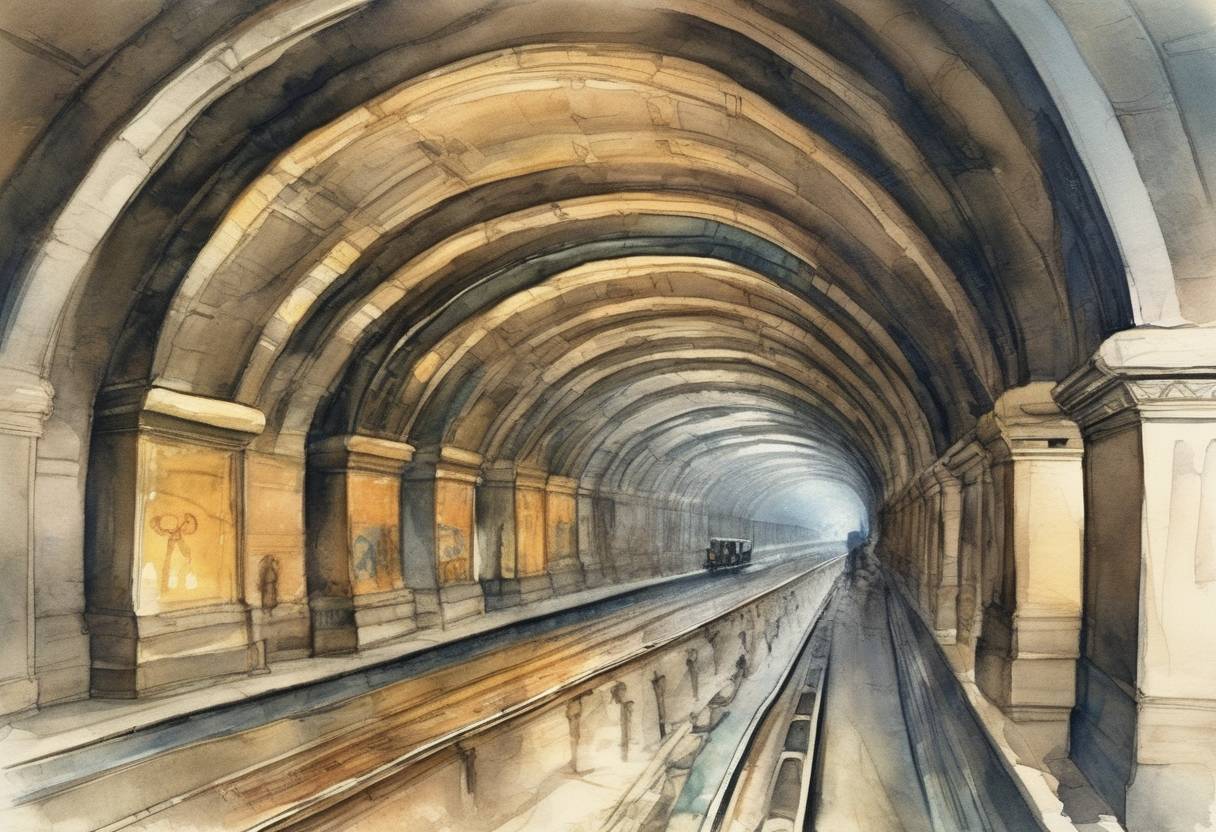
The Opening of the First Underground New York City Subway Line
On October 27, 1904, New York City witnessed a transformative moment in its urban development with the opening of its first underground subway line. This event marked the beginning of what would become one of the world’s largest and most iconic public transportation systems.
Context and Background
Before the subway’s construction, New York City’s public transportation relied heavily on elevated trains and streetcars, which were often overcrowded and slow. The need for a more efficient and reliable transit system was evident as the city’s population continued to grow rapidly in the late 19th and early 20th centuries.
The idea of an underground railway was initially met with skepticism due to technical challenges and financial concerns. However, the success of the London Underground, which opened in 1863, inspired New York City planners and engineers to pursue a similar solution.
Key Events Leading to the Opening
- 1894: The New York State Legislature authorized the construction of an underground rapid transit system.
- 1898: The consolidation of the five boroughs into Greater New York City increased the demand for a comprehensive transit system.
- 1900: Construction of the subway began, led by the Interborough Rapid Transit Company (IRT) and financed by August Belmont Jr.
- Engineering Feats: The project involved innovative engineering techniques, including the use of a cut-and-cover method to build tunnels beneath the city’s streets.
The Opening Day
The inaugural subway line ran from City Hall in Lower Manhattan to 145th Street in Harlem, covering a distance of about 9.1 miles. The line included 28 stations and was designed to alleviate congestion on the city’s streets.
- Ceremonial Opening: The opening ceremony was attended by dignitaries, including Mayor George B. McClellan Jr., who famously operated the first train.
- Public Reception: The subway was an immediate success, with over 150,000 people riding on the first day. The fare was set at five cents, making it affordable for the general public.
Aftermath and Significance
The opening of the subway had a profound impact on New York City:
- Urban Expansion: The subway facilitated the expansion of the city, allowing people to live farther from their workplaces and contributing to the development of neighborhoods in the outer boroughs.
- Economic Growth: The improved transportation network supported economic growth by making it easier for goods and workers to move across the city.
- Cultural Impact: The subway became an integral part of New York City’s identity, influencing its culture and becoming a symbol of the city’s dynamism and resilience.
Broader Historical Significance
The success of New York City’s subway system set a precedent for urban transit systems worldwide. It demonstrated the feasibility and benefits of underground railways in densely populated urban areas, influencing the development of similar systems in other major cities.
In conclusion, the opening of the first underground subway line in New York City on October 27, 1904, was a landmark event that reshaped the city’s landscape and laid the foundation for modern urban transit systems.