Bill Gates Steps Down from Microsoft: June 27, 2008
2008 · Redmond, United States
Bill Gates steps down from his day-to-day role at Microsoft to focus on the Bill & Melinda Gates Foundation.
February 5, 2014
Satya Nadella was appointed as the CEO of Microsoft, succeeding Steve Ballmer. Nadella became the third CEO in the company's history.
Redmond, United States | Microsoft
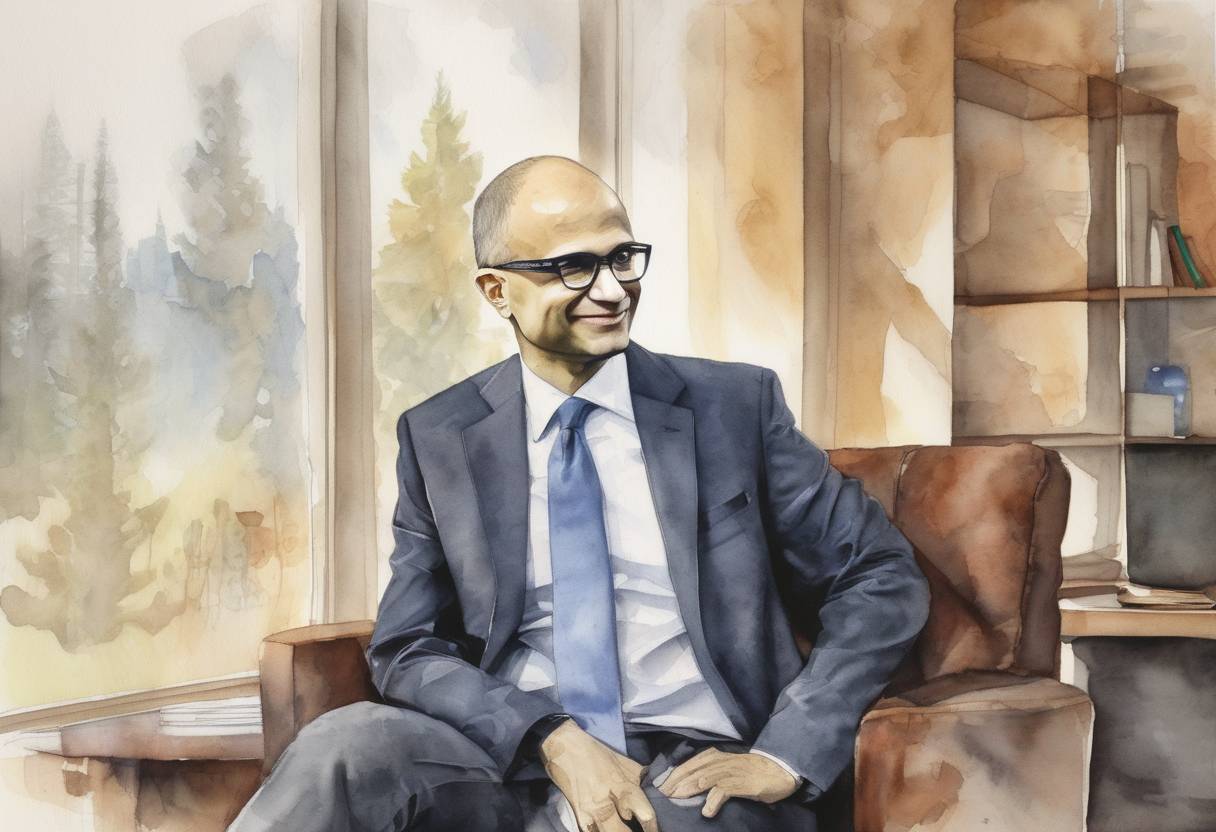
On February 4, 2014, Satya Nadella was appointed as the Chief Executive Officer (CEO) of Microsoft, officially assuming the role on February 5, 2014. Nadella became the third CEO in the company’s history, following in the footsteps of Bill Gates and Steve Ballmer.
Microsoft’s Founding and Leadership: Microsoft was founded by Bill Gates and Paul Allen in 1975. Gates served as the company’s first CEO until 2000, when Steve Ballmer took over the role. Under Ballmer’s leadership, Microsoft experienced significant growth but also faced challenges, particularly in adapting to the rapidly evolving tech landscape dominated by mobile and cloud computing.
Nadella’s Career at Microsoft: Before becoming CEO, Satya Nadella had been with Microsoft for over two decades. He joined the company in 1992 and held various leadership roles, particularly in the company’s cloud and enterprise divisions. Nadella was instrumental in shifting Microsoft’s focus towards cloud computing, which became a critical area for the company’s future growth.
Steve Ballmer’s Announcement: In August 2013, Steve Ballmer announced his intention to retire within the next 12 months, prompting Microsoft to begin the search for his successor. The search process was extensive, considering both internal and external candidates.
Selection of Nadella: Nadella’s deep understanding of Microsoft’s technology and his vision for the future of cloud computing made him a standout candidate. His appointment was seen as a strategic move to steer Microsoft towards innovation and growth in cloud services and mobile technology.
Focus on Cloud and Mobile: Upon becoming CEO, Nadella emphasized a “mobile-first, cloud-first” strategy. He prioritized the development of Microsoft Azure, the company’s cloud computing platform, and sought to integrate Microsoft’s services across various devices and platforms.
Cultural Transformation: Nadella also focused on transforming Microsoft’s corporate culture, promoting collaboration, innovation, and a growth mindset. His leadership style was characterized by openness and a willingness to embrace change.
Financial Performance: Under Nadella’s leadership, Microsoft experienced significant financial growth. The company’s market capitalization increased substantially, driven by the success of its cloud services and strategic acquisitions, such as LinkedIn and GitHub.
Tech Industry Dynamics: Nadella’s appointment marked a pivotal moment in Microsoft’s history, reflecting broader shifts in the tech industry towards cloud computing and services. His leadership helped reposition Microsoft as a leader in these areas, competing effectively with other tech giants like Amazon and Google.
Legacy and Influence: Nadella’s tenure as CEO has been noted for revitalizing Microsoft and ensuring its relevance in a rapidly changing technological landscape. His focus on innovation and adaptability continues to influence the company’s strategic direction.
Satya Nadella’s appointment as CEO of Microsoft was a significant event in the company’s history, marking a new era of leadership and strategic focus that has had lasting impacts on the tech industry.
Source: news.microsoft.com