The Grenfell Tower Fire: June 15, 2017
2017 · London, United Kingdom
A fire in a high-rise apartment building in London, known as the Grenfell Tower fire, results in 72 deaths and prompts widespread scrutiny of building regulations and fire safety.
November 18, 1987
A fire in the King's Cross St Pancras tube station in London killed 31 people and injured many more, leading to major safety improvements in the London Underground.
London, United Kingdom | London Underground
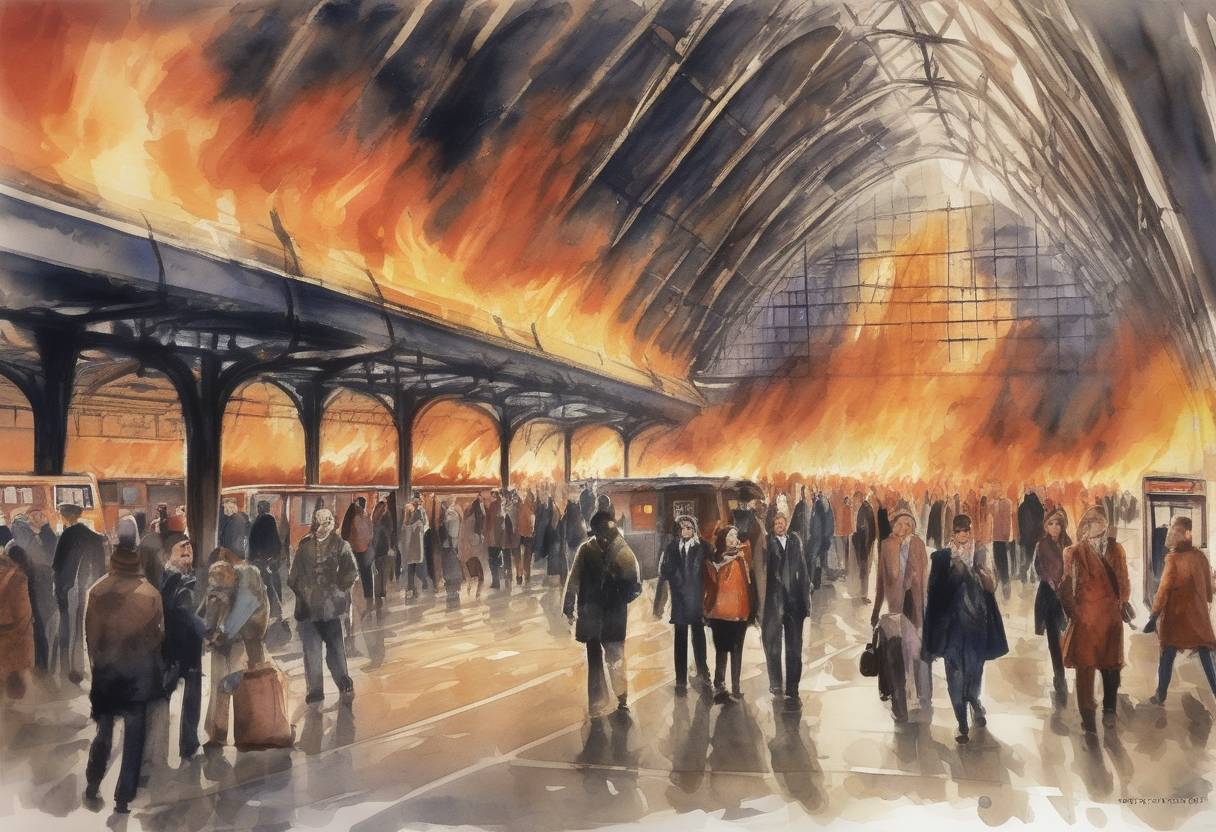
On November 18, 1987, a devastating fire broke out at the King’s Cross St Pancras tube station in London, resulting in the tragic loss of 31 lives and injuring many others. This catastrophic event led to significant safety reforms in the London Underground system.
King’s Cross St Pancras is one of London’s busiest and most complex underground stations, serving multiple lines. In the 1980s, the station was heavily trafficked, with thousands of commuters passing through daily. At the time, safety measures and infrastructure were not as advanced as they are today, with wooden escalators still in use and limited fire detection systems.
The King’s Cross fire prompted a comprehensive review of safety protocols across the London Underground. Key changes included:
The King’s Cross fire was a pivotal moment in the history of public transportation safety. It highlighted the need for rigorous safety standards and proactive measures to protect passengers and staff. The reforms implemented in the aftermath have contributed to making the London Underground one of the safest transit systems in the world today.
This tragic event serves as a reminder of the importance of continuous vigilance and improvement in public safety measures.
Source: en.wikipedia.org