Israel Withdraws from Southern Lebanon - May 24, 2000
2000 · Southern Lebanon, Lebanon
Israel withdraws its forces from southern Lebanon after 22 years of occupation, marking the end of the South Lebanon conflict.
June 6, 1982
In the backdrop of the Lebanese Civil War, Israel launched Operation Peace for Galilee, invading southern Lebanon in a move aimed at driving out the Palestine Liberation Organization (PLO) forces.
Southerne Lebanon, Lebanon | Israel Defense Forces
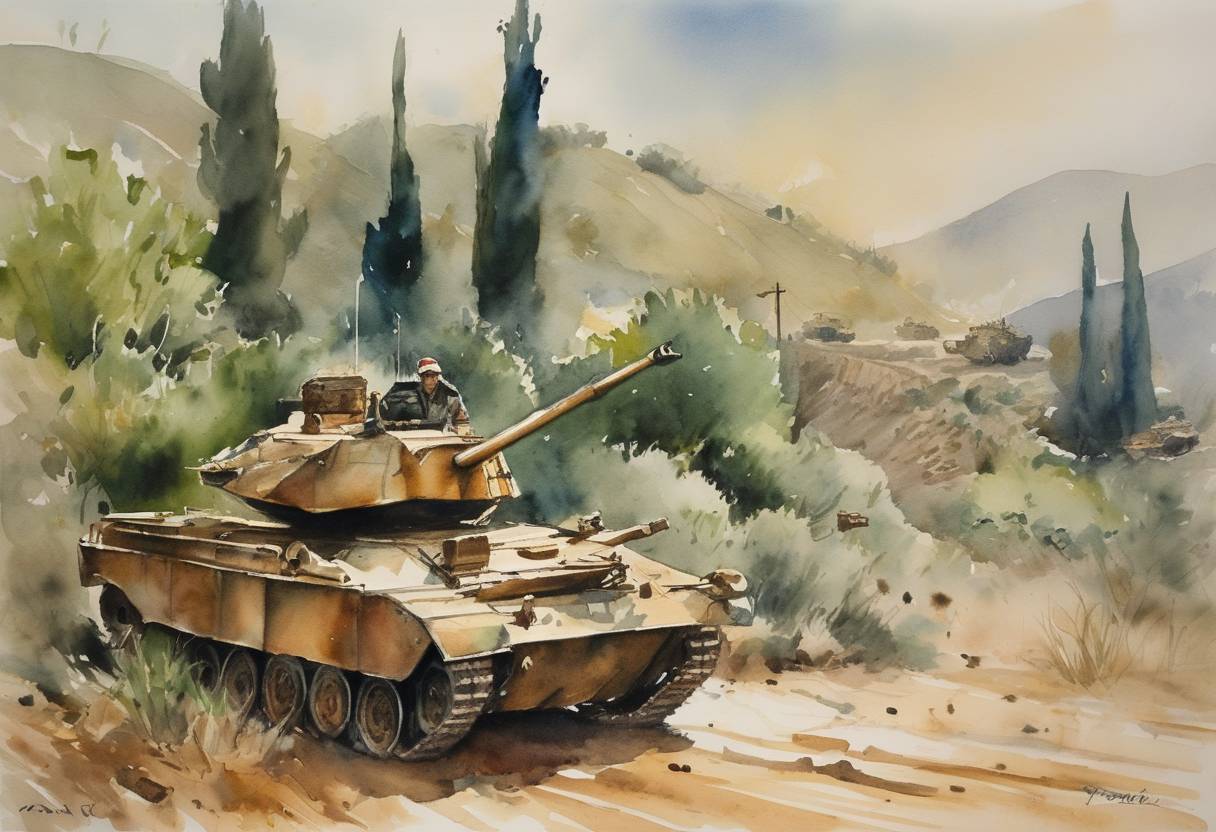
On June 6, 1982, amid the ongoing Lebanese Civil War, Israel launched Operation Peace for Galilee, initiating an invasion of southern Lebanon. This military maneuver aimed primarily to dismantle the military infrastructure of the Palestine Liberation Organization (PLO), which had been operating in Lebanon and, according to Israel, posing a recurring threat through cross-border attacks and artillery fire into northern Israel.
Since the late 1960s, Lebanon had been a base for the PLO, with its forces entrenched in the south after being expelled from Jordan in 1970. This presence contributed to the destabilization of the Lebanese state, exacerbated by existing sectarian tensions that eventually erupted into the Lebanese Civil War in 1975. The PLO’s presence in Lebanon facilitated numerous attacks on Israel, prompting several Israeli military responses over the years, yet the PLO’s operations persisted.
The decision to commence Operation Peace for Galilee was officially provoked by the attempted assassination of Israel’s ambassador to the United Kingdom, Shlomo Argov, on June 3, 1982, by the Abu Nidal Organization. Although not directly connected to the PLO, the Israeli government, led by Prime Minister Menachem Begin and Defense Minister Ariel Sharon, used the incident to justify a broad military incursion into Lebanon, claiming a need to secure the safety of Israel’s northern borders.
On June 6, Israeli Defense Forces (IDF) crossed into southern Lebanon and quickly advanced, facing disparate resistance from PLO and allied leftist Lebanese militia forces. The operation targeted PLO military targets, infrastructure, and key strongholds, including the cities of Tyre and Sidon, eventually reaching the outskirts of Beirut, Lebanon’s capital.
The military campaign significantly altered the dynamics within Lebanon, exacerbating its civil conflict. As Israeli forces progressed, they encountered increasing complexity, often finding themselves embedded within Lebanon’s intricate socio-political fabric.
The subsequent siege and bombardment of Beirut drew international attention and criticism, particularly due to the humanitarian impact on the Lebanese civilian population. It led to a protracted military and political quagmire for Israel, affecting not only its regional standing but also domestic policy and public opinion.
While the PLO was eventually expelled from Lebanon by September 1982, moving its base to Tunisia, the vacuum left by the operation indirectly facilitated the rise of Hezbollah, an Iranian-backed Shiite militant group, which became a significant adversary for Israel in the following decades.
Operation Peace for Galilee marked a pivotal moment in Middle Eastern geopolitics, underscoring the complexities of military intervention amidst civil unrest and its far-reaching consequences in the region. The operation’s initial goals of securing peace for Israel’s northern territories evolved into a prolonged occupation that lasted until 2000, reflecting the enduring legacy of this military campaign.
Source: en.wikipedia.org