Joseph Jenkins Roberts Sworn in as First President of Liberia
1848 · Monrovia, Liberia
Joseph Jenkins Roberts was sworn in as the first president of Liberia, marking the country's independence.
January 15, 1822
Liberia was established as a settlement by the American Colonization Society for freed American slaves, founding what would eventually evolve into the sovereign nation of Liberia.
Monrovia, Liberia | American Colonization Society
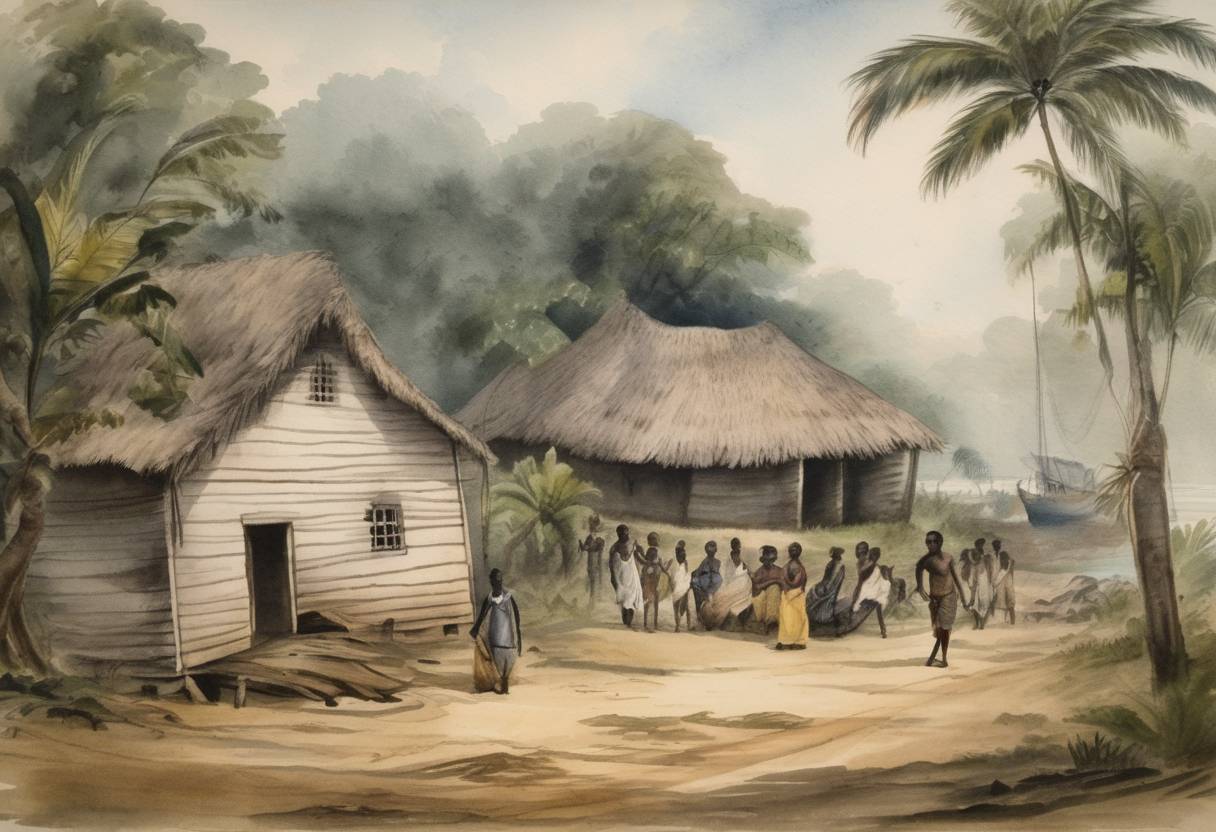
On January 15, 1822, the settlement that would eventually become the sovereign nation of Liberia was officially established by the American Colonization Society (ACS). This event marked a significant moment in the history of both the United States and Africa, as it involved the relocation of freed African Americans to Africa with the intention of creating a new colony in West Africa.
The American Colonization Society, founded in 1816, was created by a group of prominent individuals in the United States, including politicians, clergymen, and abolitionists, who believed that emancipated slaves would face better prospects in Africa than in the racially divided society of the U.S. The organization’s mission was twofold: to promote the abolition of slavery and to provide a means for freed African Americans to settle and prosper in Africa.
The choice of Liberia for this settlement was influenced by several exploratory missions sponsored by the ACS. In 1821, an expedition led by U.S. naval officer Robert F. Stockton and agent Eli Ayres negotiated with local tribal leaders to acquire a parcel of land in present-day Liberia. The land was purchased from indigenous leaders, although the transactions were often complicated by differing understandings and contentious agreements.
On January 15, 1822, the first group of approximately 86 settlers, known as “expatriates” or “Americo-Liberians,” arrived at the location that would be named Monrovia, in honor of U.S. President James Monroe, a supporter of colonization. This settlement laid the groundwork for what would become the capital city of the Republic of Liberia.
The establishment of this colony had significant implications:
Cultural and Political Development: The settlers brought with them American customs, religious traditions, and governance structures, which profoundly influenced Liberia’s cultural and political institutions.
Indigenous Relations: The arrival of the settlers led to complex and often tense interactions with the indigenous populations, sparking conflicts over land rights and assimilation issues.
Path to Independence: Liberia declared its independence on July 26, 1847, becoming the first African republic to proclaim independence and maintain sovereignty, recognized by European and American powers eventually.
The creation of Liberia was a bold and controversial social experiment. While it provided some formerly enslaved individuals an opportunity for self-determination and a new beginning, it also reflected the racial and social dynamics of 19th-century America. The legacy of these founding events is reflected in Liberia’s unique blend of American and African cultures and its historical role in fighting for African sovereignty and self-rule.
This historical moment underscores the complexities of empowerment, identity, and governance that continue to be relevant in discussions about colonialism, repatriation, and nation-building.
Source: www.britannica.com