The Trial of Adolf Eichmann: April 11, 1961
1961 · Jerusalem, Israel
The trial of Adolf Eichmann, a major organizer of the Holocaust, began in Jerusalem, bringing international attention to Nazi war crimes.
February 16, 1987
The trial of John Demjanjuk, accused of being the notorious Nazi death camp guard 'Ivan the Terrible', begins in Jerusalem.
Jerusalem, Israel | Israeli judicial system
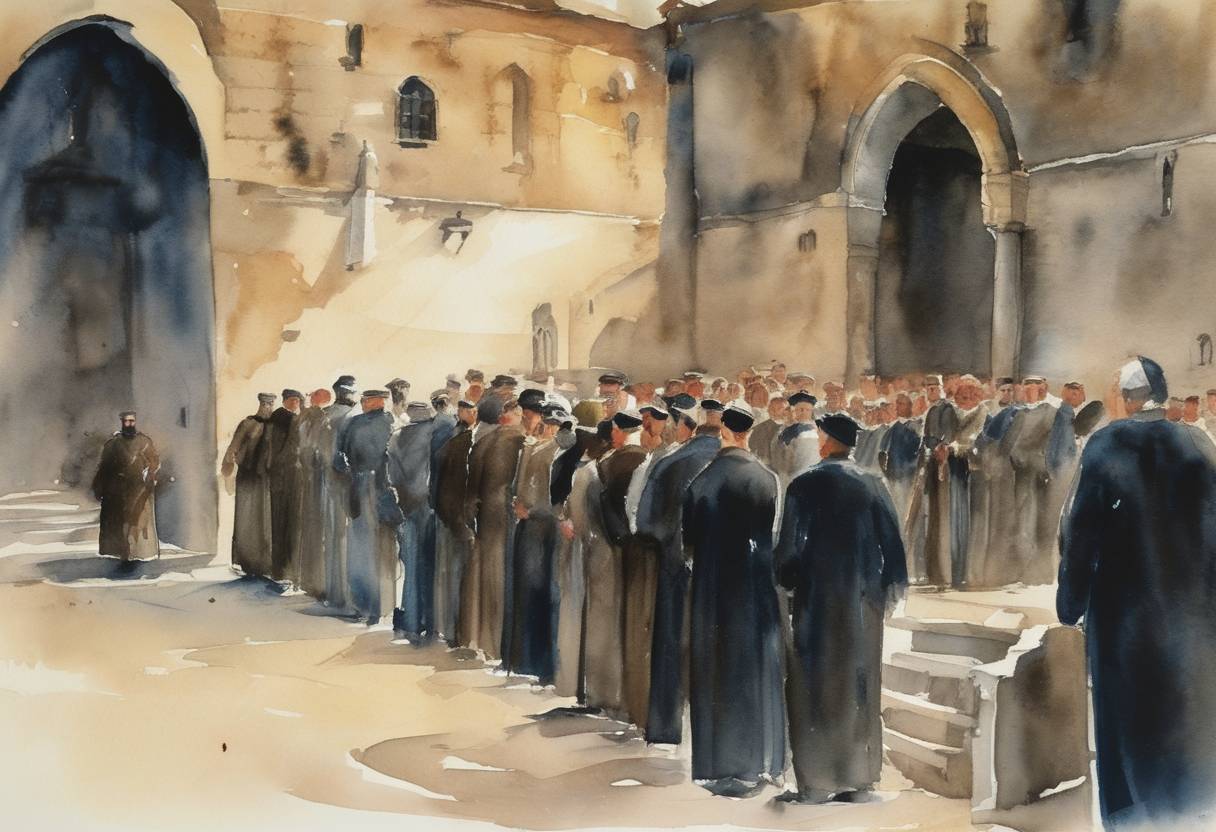
On February 16, 1987, the trial of John Demjanjuk commenced in Jerusalem. This trial garnered significant international attention due to the serious nature of the allegations against Demjanjuk, an accusation of being a notorious Nazi death camp guard known as “Ivan the Terrible.”
John Demjanjuk was a Ukrainian-born former auto worker residing in the United States who had emigrated after World War II. Initially gaining U.S. citizenship in 1958, Demjanjuk was accused of concealing his past as a guard at the Treblinka death camp in Nazi-occupied Poland. Survivors identified him as “Ivan the Terrible,” a nickname inspired by the guard’s particularly brutal and sadistic conduct.
The trial took place within the framework of Israeli law and was held in the Jerusalem District Court. It was a significant legal proceeding not only because of its focus on war crimes but because it took place in Israel, a state formed as a direct response to the genocide atrocities of the Holocaust.
Demjanjuk faced charges of crimes against humanity and war crimes. The trial was characterized by emotional and powerful testimony from Holocaust survivors who had endured the horrors of Treblinka.
The trial was pivotal in the global process of seeking justice for Holocaust atrocities. It highlighted the ongoing quest for accountability, even decades after World War II ended. Furthermore, it grappled with complex issues of identity, memory, and justice.
In April 1988, Demjanjuk was convicted and sentenced to death by hanging. However, the conviction was overturned by the Israeli Supreme Court in 1993 due to doubts regarding his identity. Despite being released, Demjanjuk’s legal battles continued, culminating in Germany convicting him for crimes related to his service as a camp guard in Sobibor, a separate facility.
Demjanjuk’s case remains a controversial subject in the discourse surrounding Nazi war criminals, the Holocaust, and international law.
Source: www.britannica.com