Armenia Joins the World Trade Organization
2012 · Geneva, Switzerland
Armenia became a full member of the World Trade Organization (WTO), joining as its 156th member.
January 11, 2007
Vietnam becomes the 150th member of the World Trade Organization (WTO), marking a significant milestone in its economic reform and global integration efforts.
Geneva, Switzerland | World Trade Organization
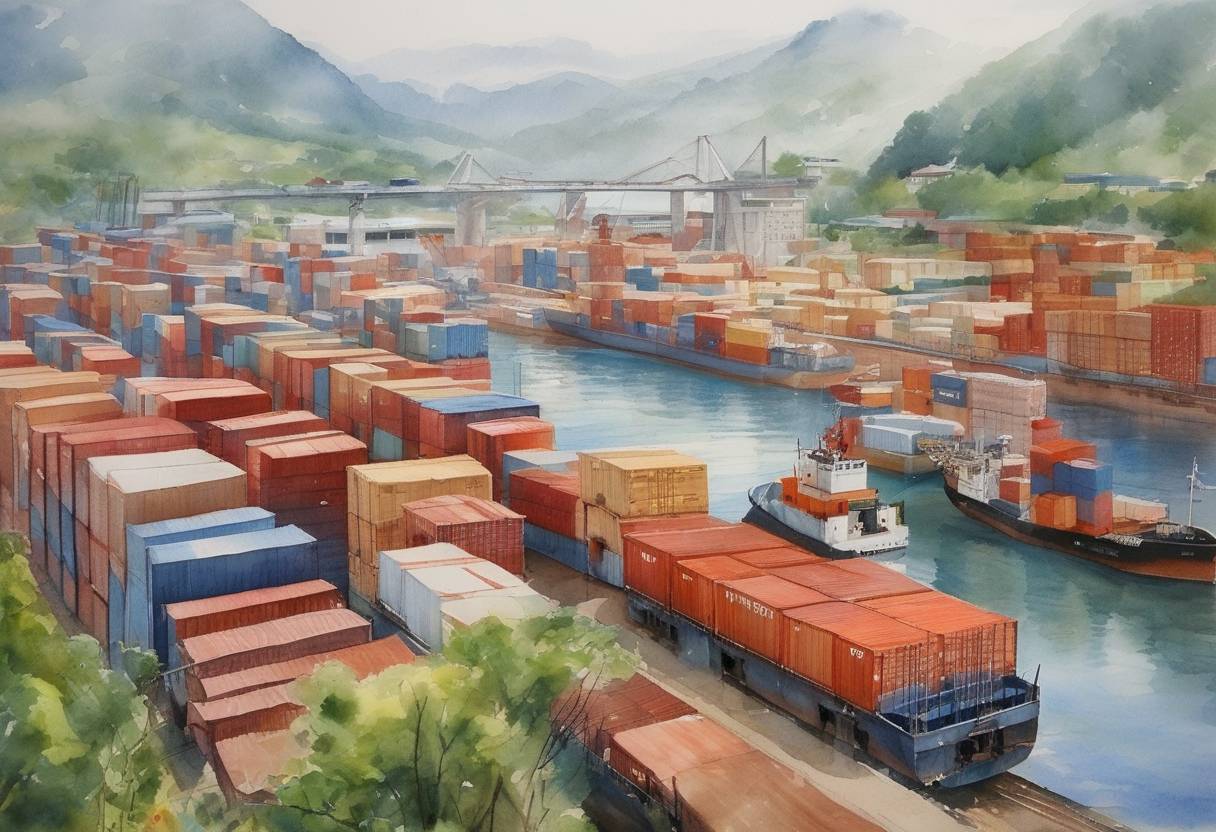
On January 11, 2007, Vietnam officially became the 150th member of the World Trade Organization (WTO). This milestone marked a significant achievement in Vietnam’s post-war economic reform and global integration efforts.
Vietnam’s journey toward WTO membership began in the early 1990s as part of its broader strategy to integrate into the global economy. The country initiated its “Đổi Mới” (Renovation) policy in 1986, which transitioned Vietnam from a centrally planned economy to a socialist-oriented market economy. Over the following decades, Vietnam undertook substantial reforms to open up its economy to foreign businesses and investments, aiming to attract trade and fuel economic development.
Vietnam’s accession process to the WTO was extensive, taking more than a decade to complete. The country applied for membership in 1995 and embarked on a rigorous negotiation process. This required Vietnam to align its trade policies with existing WTO agreements and commit to substantial reductions in tariffs and non-tariff barriers. The process entailed significant legislative overhauls and the creation of a legal framework conducive to international trade and investment.
Joining the WTO represented a crucial step for Vietnam in achieving several economic and strategic goals:
Since joining the WTO, Vietnam has consistently been one of the fastest-growing economies in the world. The country has seen significant growth in its manufacturing and service sectors, solidifying its role in global supply chains. The WTO accession has been a catalyst for continued economic reforms, furthering Vietnam’s reputation as an attractive destination for trade and investment.
Vietnam’s WTO membership has also helped enhance its diplomatic relationships and strengthen its position in regional trade agreements. This integration has supported Vietnam’s ongoing transformation from a largely agrarian economy to a dynamic and diverse economic landscape.
Through this strategic accession, Vietnam has underscored its commitment to ongoing economic reform, setting the stage for its continued growth and development on the global stage.
Source: www.wto.org