The Adoption of the Declaration on the Rights of Indigenous Peoples
2007 · New York City, United States
The United Nations General Assembly adopted the Declaration on the Rights of Indigenous Peoples.
November 20, 1959
The United Nations adopted the Declaration of the Rights of the Child.
New York City, United States | United Nations
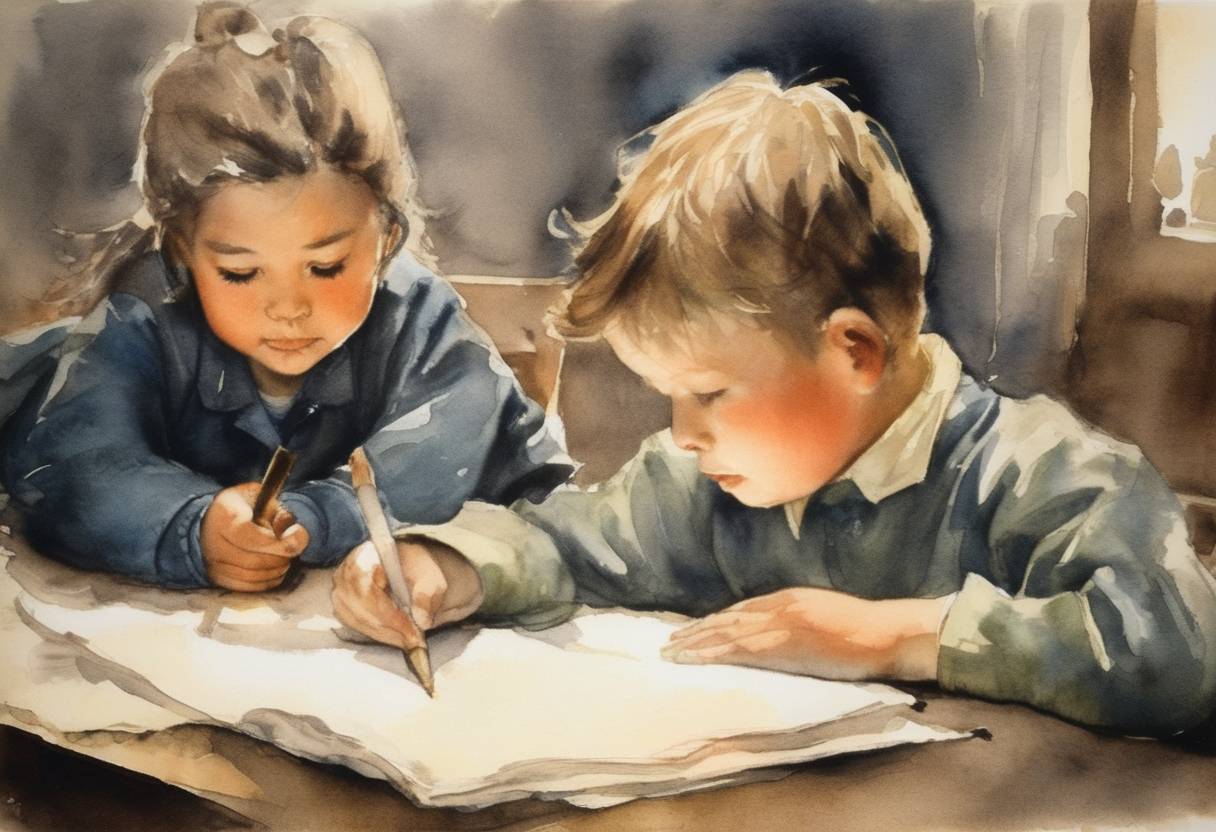
On November 20, 1959, the United Nations General Assembly adopted the Declaration of the Rights of the Child, a crucial document that outlined the fundamental human rights of children around the world. This declaration marked a significant step in the international community’s recognition of the unique needs and rights of children and aimed to ensure their protection and welfare.
The Declaration of the Rights of the Child was preceded by an earlier effort, the Geneva Declaration of the Rights of the Child, drafted by the League of Nations in 1924. This initial declaration focused on children’s welfare and acknowledged their needs for special attention. However, post-World War II, global awareness of human rights increased, leading to more comprehensive initiatives for protecting the rights of all individuals, including children.
Following the Universal Declaration of Human Rights in 1948, there was a growing consensus that children’s specific rights should be explicitly recognized. This led to the drafting of a dedicated document to address children’s unique vulnerabilities and ensure their protection against neglect and exploitation.
The Declaration of the Rights of the Child 1959 consisted of ten principles designed to safeguard and promote children’s rights, including:
Right to Equality: All children should receive equal treatment, without discrimination based on race, religion, or nationality.
Right to Development Opportunities: Children should have the means for physical, mental, spiritual, moral, and social development in conditions of freedom and dignity.
Right to a Name and Nationality: Every child should have the right to a name and nationality when born.
Right to Adequate Nutrition, Housing, and Medical Services: Children should receive nourishment, housing, and medical care for healthy development.
Right to Education and Play: Education should be free and compulsory at least in the elementary stages, and children should have the opportunity for play and recreation.
Right to Special Protection: Children should be protected from neglect, cruelty, and exploitation, including child labor.
Right to Understanding and Love: Children should grow up in an environment of understanding, love, and security, ideally within the family unit.
Right to Immediate Relief: In times of distress due to conflict or natural disasters, children should receive immediate aid.
Right to Protection from All forms of Neglect, Cruelty, and Exploitation: Children should not be subjected to trafficking, sexual or other forms of exploitation.
Right to Education: The education of the child should aim at promoting general culture and enabling the child to develop their abilities, individual judgment, and sense of moral and social responsibility.
The adoption of the Declaration was instrumental in setting an international standard for the treatment and care of children, influencing policies and legislation around the world. It provided a framework that inspired further advancements in the advocacy of children’s rights. Notably, it laid the groundwork for the United Nations Convention on the Rights of the Child (UNCRC), adopted on November 20, 1989, which is a legally binding treaty setting out the civil, political, economic, social, and cultural rights of children.
The 1959 Declaration helped to bring international attention to the plight of children in adverse conditions and ensured that children became a focal point in discussions on human rights. Over time, it encouraged countries to implement better policies and practices to protect children’s rights and has been a vital reference point for child welfare organizations and advocates globally.
Source: www.ohchr.org