The First Electric Traffic Light: August 5, 1914
1914 · Cleveland, United States
The first electric traffic light was installed in Cleveland, Ohio.
October 31, 1913
The first highway and road traffic control center opened in Cleveland, Ohio.
Cleveland, United States | City of Cleveland
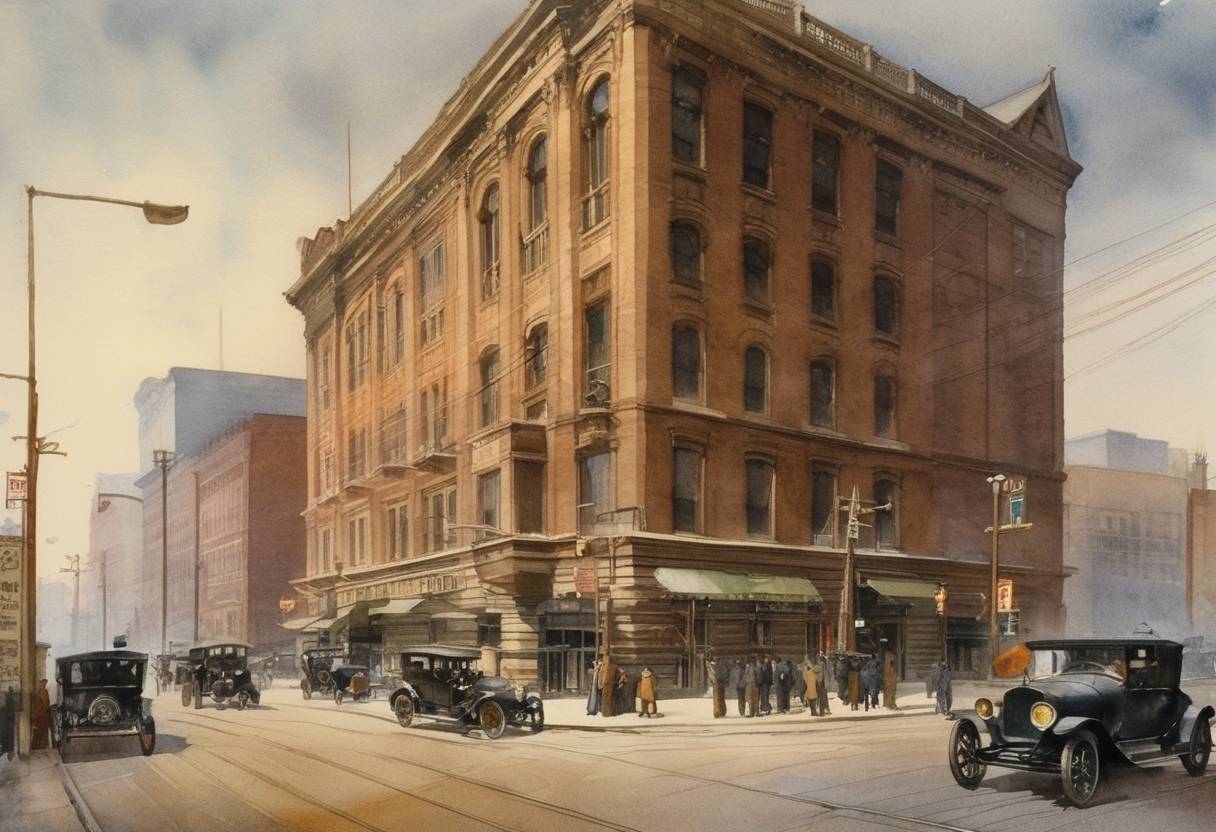
On October 31, 1913, Cleveland, Ohio, became the pioneering city to launch the world’s first highway and road traffic control center. This landmark event marked a significant advancement in urban planning and traffic management, setting a precedent for modern traffic systems worldwide.
In the early 20th century, the rise of automobiles on public roads presented new challenges in urban areas. The burgeoning number of vehicles led to increased traffic congestion, accidents, and the need for a systematic approach to managing roadways. Cleveland, seeking to address these challenges proactively, undertook innovative measures by establishing a centralized system to oversee and coordinate traffic flow.
Centralized Monitoring: The control center adopted technologies that were considered advanced for its time, which allowed real-time monitoring and management of vehicle movement across the city’s main thoroughfares.
Traffic Signal Implementation: Part of the initiative included the installation of traffic signals to regulate intersections, directing traffic to minimize congestion and enhance safety.
Data Collection: Operators gathered data on traffic patterns, which informed decisions on urban planning and adjustments to traffic control measures.
The establishment of the traffic control center in Cleveland had profound implications for urban infrastructure development. It:
Influenced Subsequent Urban Plans: Other cities, seeing the success of Cleveland’s system, began to adopt similar traffic management strategies, leading to widespread improvements in road safety and efficiency.
Facilitated Technological Advancements: It set the stage for further technological innovations in traffic management, including more sophisticated signal systems and, eventually, computer-aided traffic control centers.
Improved Traffic Safety: The coordinated management of traffic reduced the number of accidents and improved the overall safety of road users.
Cleveland’s initiative demonstrated the potential of systematic traffic management and laid the foundation for the eventual development of national highway systems. The principles introduced in this first control center would evolve, integrating with subsequent advancements in technology and contributing to modern traffic engineering and urban planning paradigms. This approach effectively transformed how cities coped with the demands of transportation and urban growth, reflecting a significant evolution in public infrastructure management in the 20th century.
Source: www.history.com