Canada Declares War on Germany: September 10, 1939
1939 · Ottawa, Canada
Canada declared war on Germany, joining the Allies in World War II. This was a week after Britain and France had declared war following Germany's invasion of Poland.
May 1, 1925
Cypress Hills Massacre Treaty, aimed at settling claims from an 1874 massacre of Assiniboine people by American wolf hunters in Canada, came into effect.
Ottawa, Canada | Government of Canada
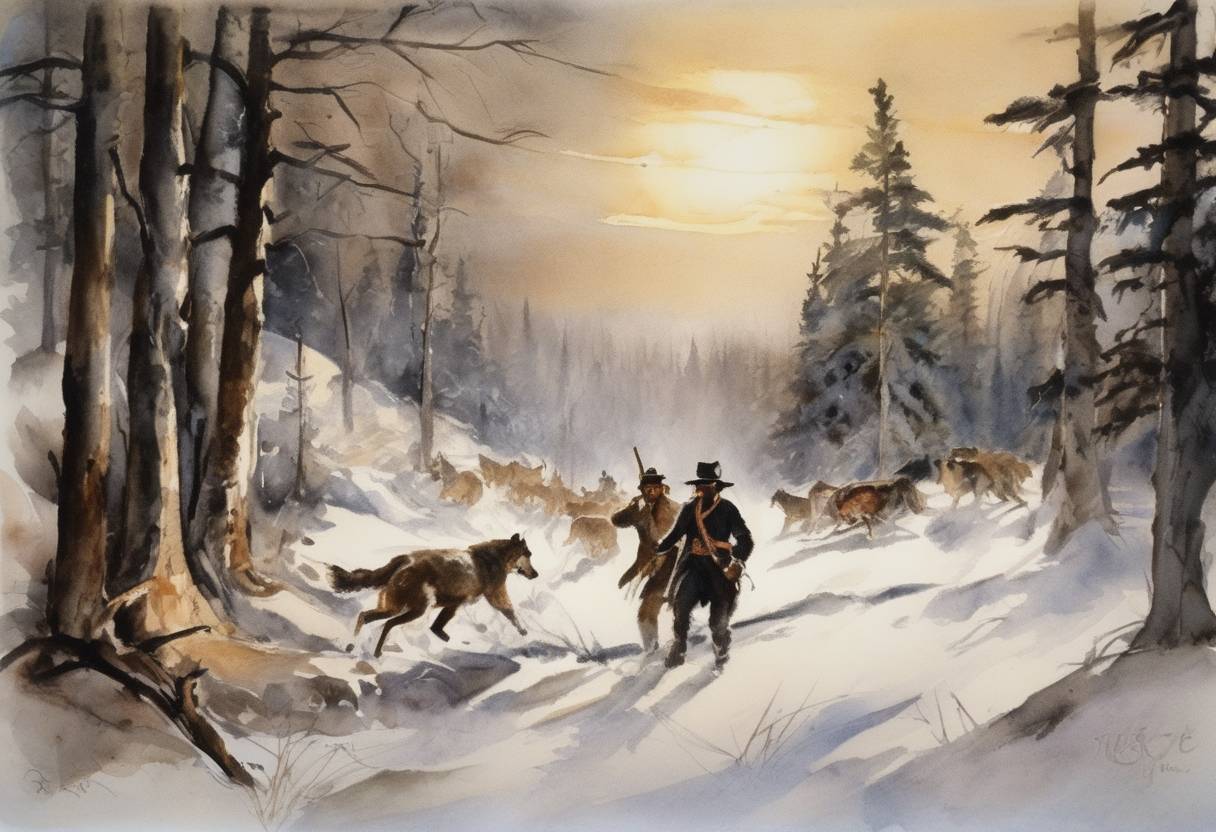
The Cypress Hills Massacre Treaty, which came into effect on May 1, 1925, was an agreement addressing reparations for the tragic events of the Cypress Hills Massacre that occurred in 1874. This massacre involved a violent confrontation where American wolf hunters attacked a camp of Assiniboine people in what is now Saskatchewan, Canada, leading to the death of at least 20 Assiniboine individuals.
In June 1874, a group of American wolf hunters, allegedly angered by the theft of horses, mounted a brutal attack on Assiniboine encamped in the Cypress Hills. This occurred during a period of significant tension over control of the West, marked by increasing settler expansion and competition over resources. The attack, fueled by miscommunication and sovereign disregard across borders, highlighted the precarious situation on the Canadian and American frontier.
The repercussions of the massacre were felt for decades as relations between Indigenous groups and settlers were already tense during this period of North American history. Despite inquiries and escalating diplomatic tensions, the complexities of jurisdiction and slow-moving legal processes meant that formal resolution through reparation took several decades.
In the early 20th century, as Canada continued to solidify its national policies concerning Indigenous affairs and Anglo-American relations improved, there was a concerted effort to address unresolved claims from past injustices. The Cypress Hills Massacre Treaty was part of these larger attempts to reconcile outstanding matters and offer redress to affected Indigenous communities.
The treaty authorized compensation to the descendants of the massacre victims, acknowledging the wrongful acts committed and aiming to provide some form of justice, albeit belatedly. It also reflected a growing international and national acknowledgment of past injustices toward Indigenous peoples and a step, however small, towards reconciliation and healing.
While the treaty did not resolve the deep-seated issues concerning land rights and sovereignty for Indigenous peoples, it marked a significant acknowledgment of past wrongs by a colonial government. This acknowledgment was part of a broader Canadian initiative to mend relationships with Indigenous communities.
The Cypress Hills Massacre and its subsequent treaty serve as a reminder of the complex interrelations between Indigenous communities and colonial governments across North America. It underscores the lengthy processes of colonial acknowledgment and redress and the ongoing journey towards reconciliation. The event occupies a critical place in the shared history of Canada and the United States, emblematic of the struggles and resilience of Indigenous nations in the face of colonial expansion.
Source: www.thecanadianencyclopedia.ca