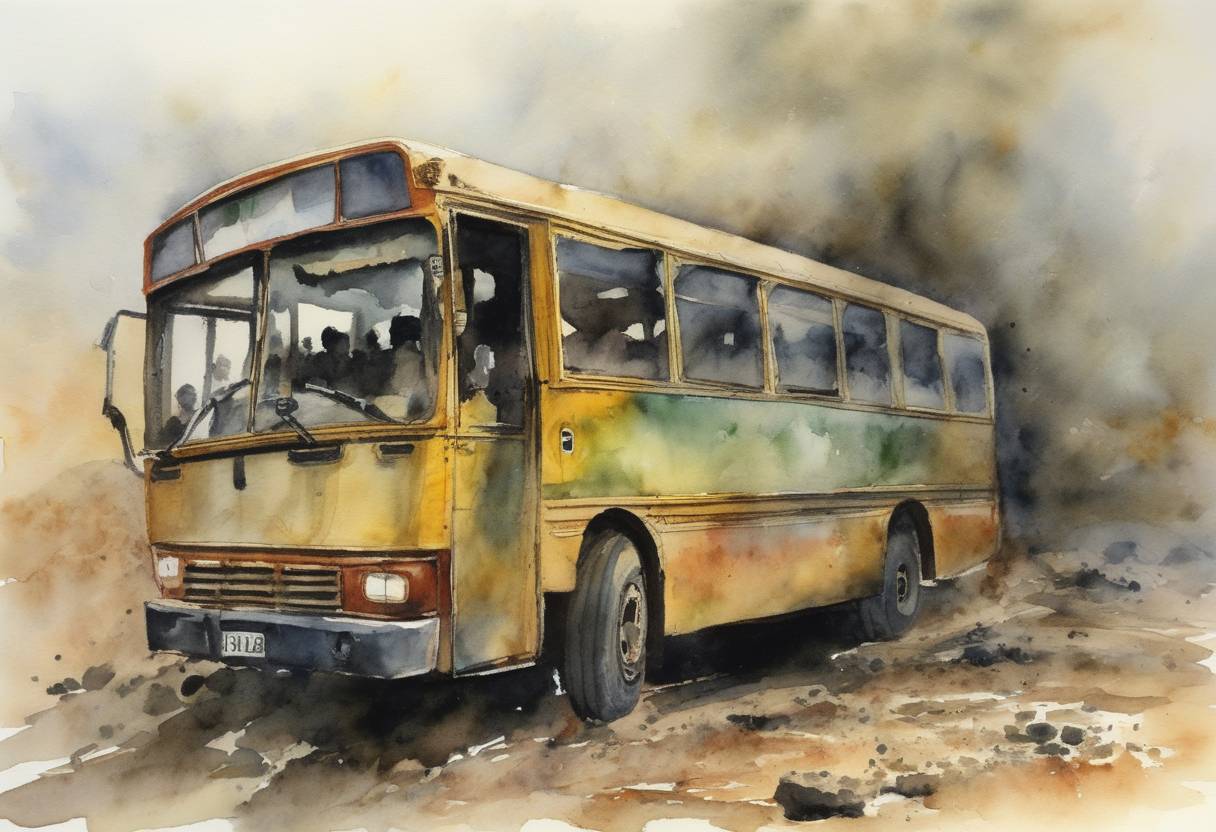
Suicide Bombing Near Emmanuel - July 20, 2002
On July 20, 2002, a tragic event unfolded in the West Bank when a suicide bombing occurred near the Jewish settlement of Emmanuel. This attack was part of the ongoing Israeli-Palestinian conflict, which had been marked by cycles of violence and efforts at negotiation.
The Incident
- Location: Near Emmanuel, a settlement in the northern West Bank.
- Method: A suicide bomber detonated an explosive device on a civilian bus.
- Casualties: The attack resulted in several fatalities and numerous injuries. The victims were primarily Israeli settlers commuting on the public bus.
Claim of Responsibility
The Palestinian militant group, Hamas, claimed responsibility for the attack. At the time, Hamas was actively involved in the Second Intifada, a period of intensified Israeli-Palestinian violence that began in September 2000. The group cited retaliation against Israeli military actions as the motive behind the attack.
Context and Broader Implications
- Ongoing Conflict: The attack was set against the backdrop of the Second Intifada, characterized by frequent clashes between Israeli forces and Palestinian groups. During this time, numerous suicide bombings and other forms of violence were perpetrated by various factions.
- Security Response: In response to recurring attacks, Israel intensified its security measures, including military operations in Palestinian territories. The situation further escalated tensions, reducing chances for peace negotiations in the short term.
- Public Impact: The attack shook both the Israeli and Palestinian communities, contributing to a climate of fear and distrust. It underscored the enduring cycle of violence affecting civilians on both sides and complicated efforts by international mediators seeking to broker peace.
This harrowing incident on July 20, 2002, serves as a reminder of the deep-rooted and persistent nature of the Israeli-Palestinian conflict, with profound human costs and political ramifications.