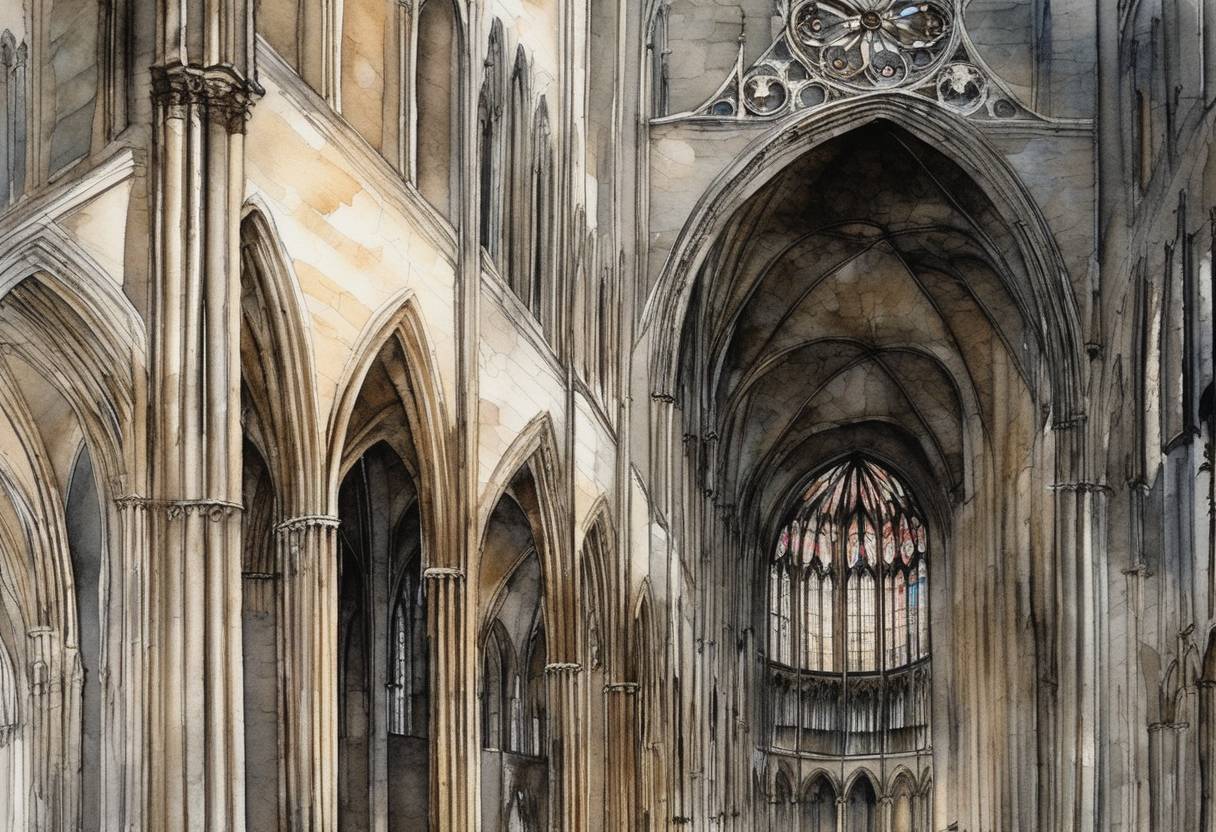
Chartres Cathedral Consecration - October 24, 1260
The Chartres Cathedral, located in Chartres, France, stands as a masterpiece of High Gothic architecture. It was consecrated on October 24, 1260, marking a significant moment in ecclesiastical and architectural history.
Historical Context
The construction of the current cathedral began after a fire in 1194 destroyed much of the earlier structure. The decision to rebuild showcased the town’s resilience and its importance as a prominent pilgrimage site, especially renowned for housing the Sancta Camisia, a relic believed to be the tunic of the Virgin Mary.
Architectural Significance
Chartres Cathedral is celebrated for its exceptional Gothic architecture characterized by:
Stained Glass Windows: The cathedral is famed for its extensive and original set of stained glass windows, which date from the early 13th century. These windows portray biblical stories and saints, contributing to the cathedral’s role as a “Bible in stone and glass.”
Flying Buttresses: Its innovative use of flying buttresses allowed for higher and more illuminated structures, providing support while allowing for expansive windows, which was a groundbreaking development during this architectural period.
Sculptural Decoration: The cathedral’s three grand facades are adorned with numerous elaborate stone sculptures. The sculptures depict biblical narratives, contributing to the educational and spiritual objectives of the gothic cathedral.
Consecration Ceremony
The consecration of Chartres Cathedral on October 24, 1260, was a grand ceremony attended by King Louis IX of France, also known as Saint Louis, and other prominent figures of the time. The event underscored the cathedral’s religious and social significance, reinforcing its status as a central hub for worship and pilgrimage.
Broader Impact
Pilgrimage Site: The cathedral attracted pilgrims from across Europe, significantly boosting the town’s economy and cultural exchanges.
Architectural Influence: Chartres set a precedent for the Gothic style, influencing numerous other cathedrals and churches throughout Europe. Its design elements became defining characteristics of High Gothic architecture.
Cultural Legacy: Beyond its architectural achievements, the cathedral remains a testament to medieval artistry and religious devotion. It continues to draw admiration for its design, artistry, and spiritual heritage.
Aftermath
Today, Chartres Cathedral is recognized as a UNESCO World Heritage Site and is considered one of the best-preserved medieval cathedral sites in France. Its dedication over centuries stands as a symbol of the medieval Christian ethos and the artistic endeavors of the High Middle Ages.